
Short Answer
Have you ever wondered why your once-perfectly plump cactus suddenly starts to lean, stretch, or look like it’s reaching desperately for something just out of reach? That lanky, elongated silhouette that your cactus adopts can often be traced back to a sneaky horticultural nemesis: etiolation. It’s a common but puzzling challenge for succulent enthusiasts, turning your stately cacti into flimsily stretched shadows of their former selves. But fear not — understanding this phenomenon is the key to rescuing and revitalizing your spiny companions.
What Exactly is Cactus Etiolation?
Etiolation is nature’s way of telling us that the cactus isn’t getting enough light. Think of it as an impromptu growth spurt in the dark, a survival tactic where the plant extends its stem and spaces out its segments to seek sunlight. While this stretch might seem like an odd fashion choice, it’s actually a fascinating physiological response. Without adequate light, cacti lose their characteristic compact, robust form and instead become elongated, pale, and fragile.

Why Does This Happen? The Science Behind the Stretch
The core culprit behind etiolation is insufficient light intensity and quality. Cacti, optimized for bright, often harsh sunlit environments, depend on ultraviolet and full-spectrum light to regulate growth hormones and photosynthesis. When exposure diminishes, an internal hormone called auxin redistributes unevenly, urging the cactus cells to elongate vertically. The plant is essentially sprinting in place, desperately trying to reach an elusive sunbeam.
Low light conditions — indoor windowsills with minimal direct sunlight, shaded garden corners, or cloudy days compounded by dense foliage — can all invoke this unnatural stretching. Compounded by other factors like high humidity or over-fertilization, the problem sometimes worsens.
Recognizing the Hallmarks of Etiolated Cacti
Spotting an etiolated cactus isn’t always immediately obvious to the untrained eye, especially if the stretch occurs gradually. Key signs include:
- Uncharacteristically long, thin stems or segments, often with increased gaps between ribs or bumps.
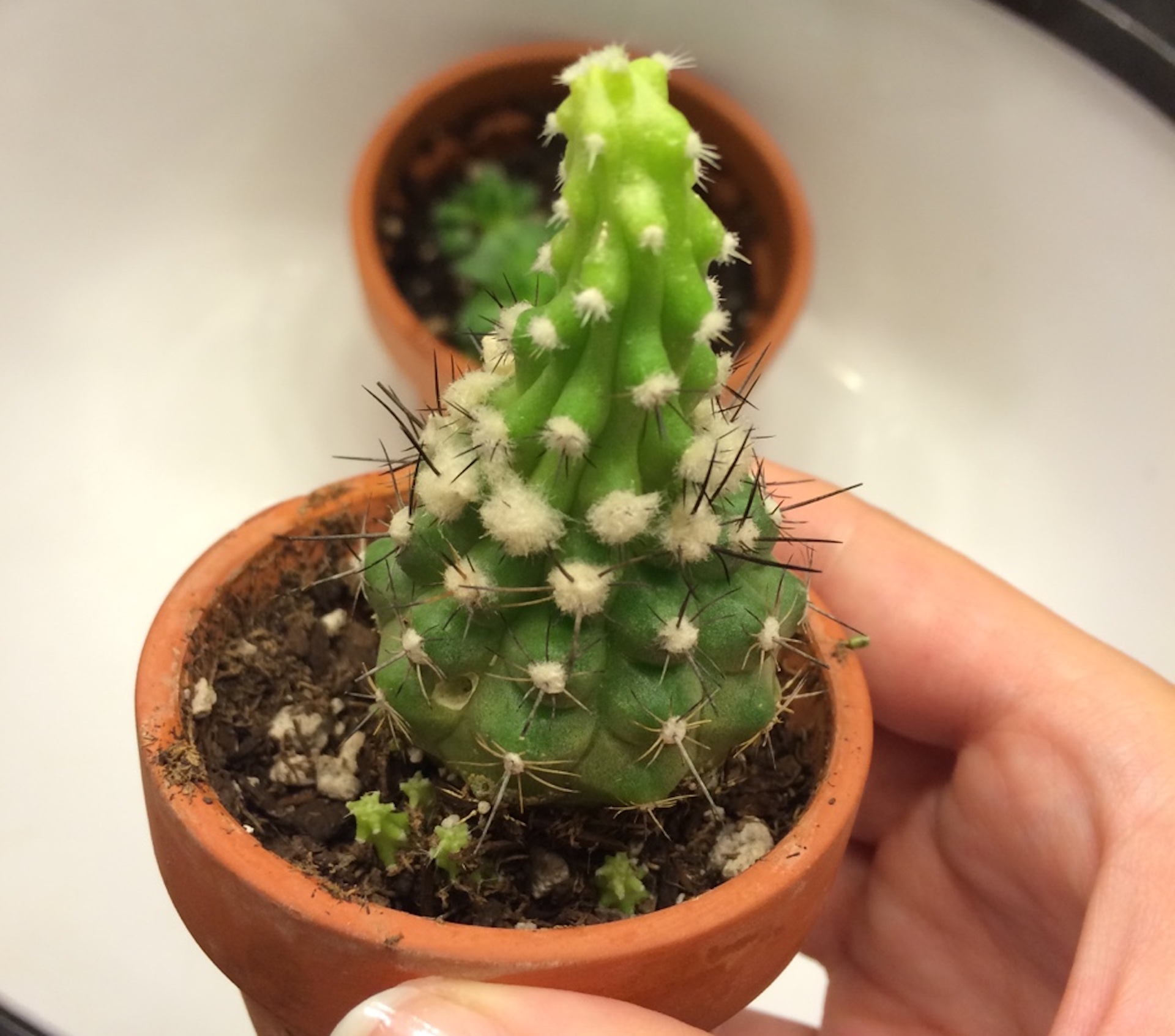
- Duller, paler coloration—shifting from vibrant greens to washed-out or yellowish tones.
- Weaker structural integrity, making the cactus prone to bending or collapsing.
- Small or absent spines, as the cactus diverts energy from defensive mechanisms to growth.
These symptoms together narrate the silent struggle of your cactus to survive in less-than-ideal lighting.
Prevention: How to Keep Your Cactus Compact and Happy
Prevention is always kinder than correction, especially when dealing with delicate succulents like cacti. Here’s how to cultivate an environment that encourages robust, squat growth rather than desperate elongation:
1. Optimal Lighting Conditions
Cacti thrive under intense, direct sunlight. A south- or west-facing window often provides the strongest light indoors. If natural light is limited, supplementing with full-spectrum grow lights that mimic sunlight’s UV spectrum is an excellent alternative. Aim for at least 6 hours of bright light daily.
2. Gradual Acclimatization
Whether bringing cacti indoors or outdoors, acclimate them slowly to prevent shock. Abrupt shifts can stress the plant, making it less capable of adapting and more prone to etiolation.
3. Proper Potting Choices
Choose pots that facilitate drainage and allow room for root expansion but don’t encourage overly rapid growth. Well-draining soil is also essential to prevent root rot and promote overall health, indirectly influencing the plant’s ability to maintain its form.
4. Controlled Watering and Feeding
Overly frequent watering and excessive fertilizer promote soft, vulnerable growth that can exacerbate stretching. Use a balanced, diluted fertilizer sparingly in the growing season and let the soil dry thoroughly between watering sessions.
Fixing Etiolation: Can Stretched Cacti Be Saved?
So, your cactus has already stretched long and lanky—are all hopes lost? Absolutely not! While you can’t magically rewind time, there are several clever strategies to restore your cactus’s stability and take back the aesthetic advantage.
1. Increasing Light Exposure
The first and most crucial step in rectifying etiolation is immediately enhancing the light conditions. Move the plant to a brighter location or supplement with grow lights. Avoid sudden exposure to intense sunlight, however, as this can cause sunburn on pale, delicate tissue. Gradually increase light intensity over days or weeks.
2. Pruning and Propagation
One surprisingly satisfying fix is to prune off those unwieldy elongated stems and propagate them as new plants. Stem cuttings root readily in most cacti species. After carefully cutting back the stretched portions, allow the cut ends to callus for several days before planting in well-draining soil. This method not only manages the aesthetic issue but expands your cactus collection!
3. Supporting the Plant
If pruning isn’t an option and the cactus is too leggily fragile, provide physical support with stakes or ties. This helps prevent breakage while the plant adjusts to better lighting and regains strength.
4. Patience and Monitoring
Healing an etiolated cactus is a marathon, not a sprint. New growth will often emerge healthier and more compact if conditions improve. Observe your plant regularly and adjust care accordingly.
Etiolation in the Bigger Picture: Learning to Read Your Plant’s Signals
Etiolation is more than a nuisance—it’s a vivid botanical conversation. When cacti stretch, they’re telling a story about their environment. By learning to interpret these signals, you not only prevent aesthetic issues but also nurture their well-being and longevity.
Understanding etiolation encourages a mindset of observation, care, and adaptation—a quintessential part of becoming a skilled succulent steward. Your cactus’s slender stretch, then, becomes a tantalizing riddle calling you to respond with light, love, and mastery.
Final Thoughts: Embracing the Challenge and the Journey
Stretching cacti may initially seem like a horticultural defeat, but in reality, it’s an invitation to deepen your relationship with these stoic desert survivors. Through attentive light management, strategic pruning, and a dash of botanical creativity, you can prevent etiolation and even turn it into a propagation opportunity.
So next time your cactus starts to lean like an awkward teenager reaching for the stars, don’t despair. Instead, seize the chance to transform that stretched silhouette into a thriving, resilient masterpiece of desert artistry.
FAQ
What causes etiolation in cacti?
Etiolation in cacti is caused by insufficient light exposure, prompting the cactus to stretch in search of sunlight.
Can an etiolated cactus recover?
Yes, by increasing light exposure, pruning stretched parts, and providing proper care, an etiolated cactus can regain a healthier form.
How can I prevent cactus etiolation?
Prevent cactus etiolation by providing at least 6 hours of bright, direct light daily, using grow lights if necessary, and avoiding sudden changes in light exposure.
Is pruning a good way to fix stretched cacti?
Yes, pruning the elongated stems and propagating the cuttings can help restore the cactus and even increase your collection.

Leave a Reply