
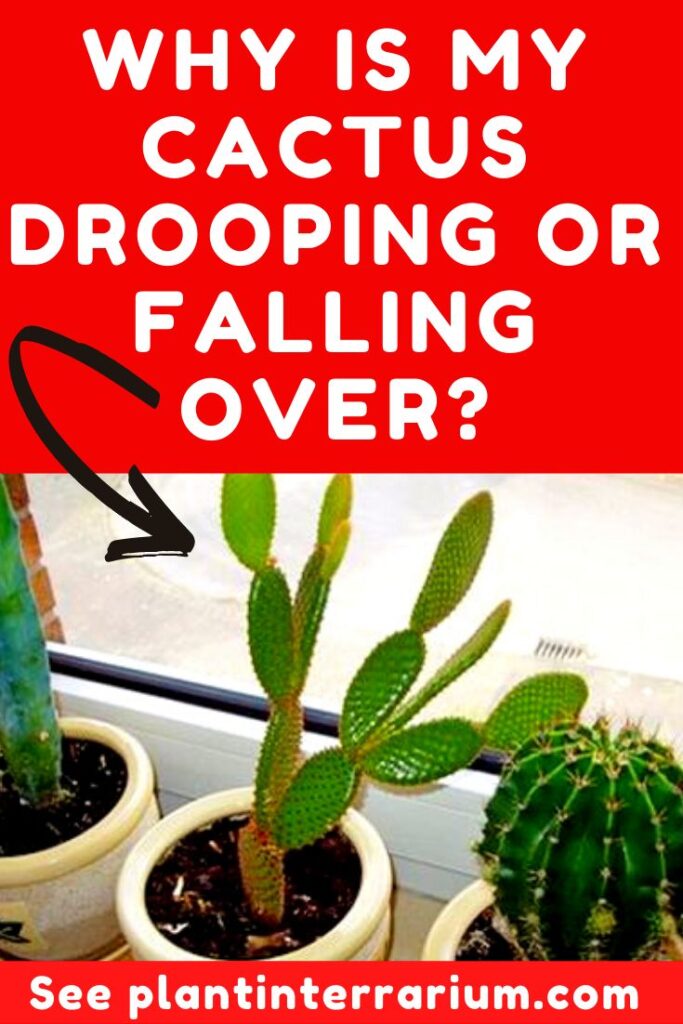
Short Answer
Cacti are celebrated for their resilience and low-maintenance requirements, yet even the hardiest succulents can succumb to occasional woes. One of the most alarming symptoms that a cactus can exhibit is drooping or bending over. This condition can be perplexing for both novice and seasoned plant enthusiasts. By understanding the underlying reasons for drooping, one can not only address this issue effectively but also cultivate a more profound appreciation for the unique challenges cacti face.
Let’s embark on a journey to diagnose and remedy drooping cacti, unlocking the secrets to their well-being.
Understanding the Anatomy of a Drooping Cactus
The first step toward diagnosis is understanding how cacti function. These plants possess unique adaptations that allow them to thrive in arid environments. Their succulent tissues store water, which aids survival during desiccating conditions. However, this very structure makes them susceptible to water and environmental fluctuations that can lead to drooping.
Cacti typically exhibit a magnificent erect posture, characterized by firm, fleshy arms. When a cactus begins to sag, it’s a visual signal of distress. Drooping often translates to a breakdown in cellular pressure within the plant, which can stem from various causes such as overwatering, underwatering, or environmental stressors.
Watering Woes: The Double-Edged Sword
Watering is one of the most critical aspects of cactus care, yet it also represents a common source of confusion. Haphazard watering habits are often the immediate catalyst for drooping. When a cactus is overwatered, its cells become engorged, leading to a phenomenon known as edema. Here, the plant may initially swell but ultimately cause its tissues to rupture, resulting in drooping.
Conversely, underwatering can result in a drastically different scenario. Dehydration leads to a loss of turgor pressure in the plant’s cells. As a reaction, the cactus conserves moisture by allowing its structure to bend, causing drooping. Recognizing the signs of either overwatering or underwatering is crucial. A soil check and observing the weight of the pot can offer immediate insights into the moisture level present.
Environmental Stress: Temperature Fluctuations
Cacti are accustomed to specific environments. Any abrupt change in temperature can result in undue stress. Cold drafts or excessively hot locations can provoke a drooping response as the plant attempts to conserve energy. This response can manifest as wilting or bending. The use of a heat source during winter or exposure to extreme sunlight can exacerbate these symptoms.
For optimal growth, cacti typically thrive in temperatures ranging from 70°F to 100°F during the growing season and slightly cooler during dormancy. Monitoring indoor conditions and situating your cactus in a receptive microclimate can make all the difference.
Soil Composition and Drainage Dilemmas
The importance of soil cannot be understated when addressing falling cacti. The substrate in which a cactus is planted plays a fundamental role in moisture retention and drainage. Standard potting soil does not sufficiently allow for drainage, prone to compaction and waterlogging. Consequently, a drooping cactus may be an indication of poor soil choices.
Utilizing a specialized cactus mix—comprised of gritty materials like perlite and coarse sand—ensures proper drainage. Furthermore, pot choice is equally important. A container with drainage holes allows excess water to escape, safeguarding the plant from root rot, a condition often associated with drooping.
Pest Infestation: External Aggravators
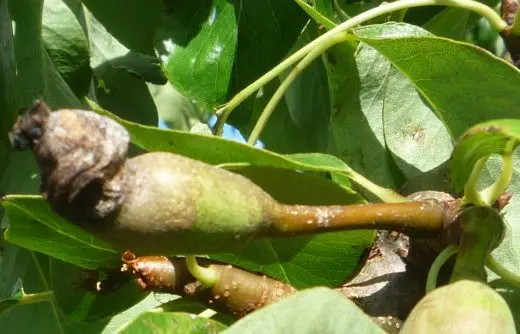
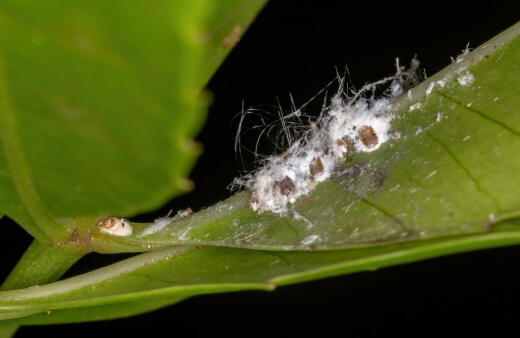
Smaller issues may also interfere with the cactus’s health and vitality. Pest infestations—such as mealybugs, spider mites, or scale—can cause physical damage to the plant, leading to drooping. These pests can puncture the cactus’s outer skin, wreaking havoc on its nutrient transport systems.
Vigilance is crucial. Regular inspections will help detect early signs of infestation. Utilizing insecticidal soap or neem oil can offer a chemical shield, while manual removal may be suitable for smaller infestations. Addressing pests promptly can make a noteworthy difference in restoring your cactus’s health.
Rehabilitation Techniques: Nursing Your Cactus Back to Health
Restoration efforts are integral to recovering a drooping cactus. If overwatering is suspected, halt watering altogether for several weeks, allowing the soil to dry completely. Indoor humidity should be managed to prevent a sudden shift in moisture levels.
In contrast, for a cactus suffering from dehydration, provide a thorough soaking, allowing water to seep from the drainage holes. However, do not repeat this process until the soil has dried out fully to prevent the risk of overwatering.
Moreover, repositioning the cactus can sometimes yield immediate results. Relocating it to a more stable environment shielded from harsh drafts and direct sunlight can facilitate recovery.
Prolonging Cactus Longevity: Best Practices
To prevent future drooping incidents, it’s vital to establish a well-rounded care regimen. Utilize a moisture meter to monitor soil hydration levels accurately. Implement a fertilization schedule during the growing season with a cactus-specific fertilizer to boost nutritional availability. Lastly, maintain a periodic check for pests and diseases to fortify against any potential threats.
Concluding Thoughts on Your Cactus Care Journey
While the sight of a drooping cactus can evoke concern, it presents an opportunity for educated intervention. By unraveling the mysteries behind this condition and implementing measured strategies, one can restore the glory of a drooping cactus. Embracing the challenges of cactus care not only cultivates a deeper understanding of these resilient plants but also fosters a sense of stewardship as you guide them back to health.
FAQ
What does drooping indicate in a cactus?
Drooping usually signals distress caused by water imbalance, environmental factors, or pest damage.
How can I check if my cactus is overwatered or underwatered?
Check soil moisture by feeling the soil and pot weight; overwatered soil is soggy and heavy, underwatered soil is dry and light.
What environmental conditions cause cactus drooping?
Cold drafts, excessive heat, and sudden temperature changes can stress cacti and cause drooping.
How often should I water my cactus to prevent drooping?
Water only when the soil is completely dry, which varies with season and environment but generally every 2-4 weeks.
Leave a Reply