
Short Answer
In the vast tapestry of the botanical world, cacti are the quintessential survivors, flourishing in arid landscapes where few plants dare to tread. Their resilience, paired with a plethora of striking forms and adaptations, renders them a subject of fascination for horticulturists and casual admirers alike. This guide will delve into a variety of cactus plants, elucidating both the common and the unique, each possessing its own story and charm.
Whether nestled within a desert’s embrace or residing as a curious houseplant, each cactus is a testament to nature’s artistry. From the familiar to the obscure, the names of these plants often reflect their attributes, habitats, or the history surrounding their discovery. This narrative will traverse through the world of cacti, illuminating names that evoke imagery rich with meaning.
Characters of the Desert: Common Cactus Varieties
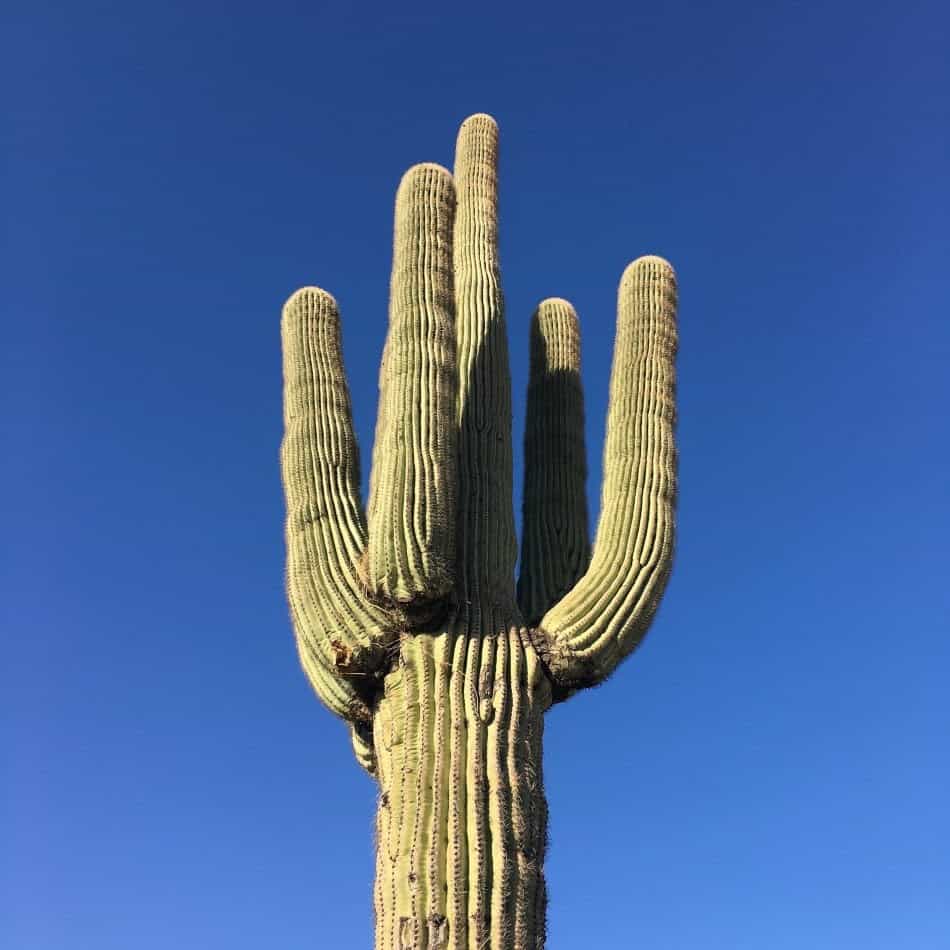
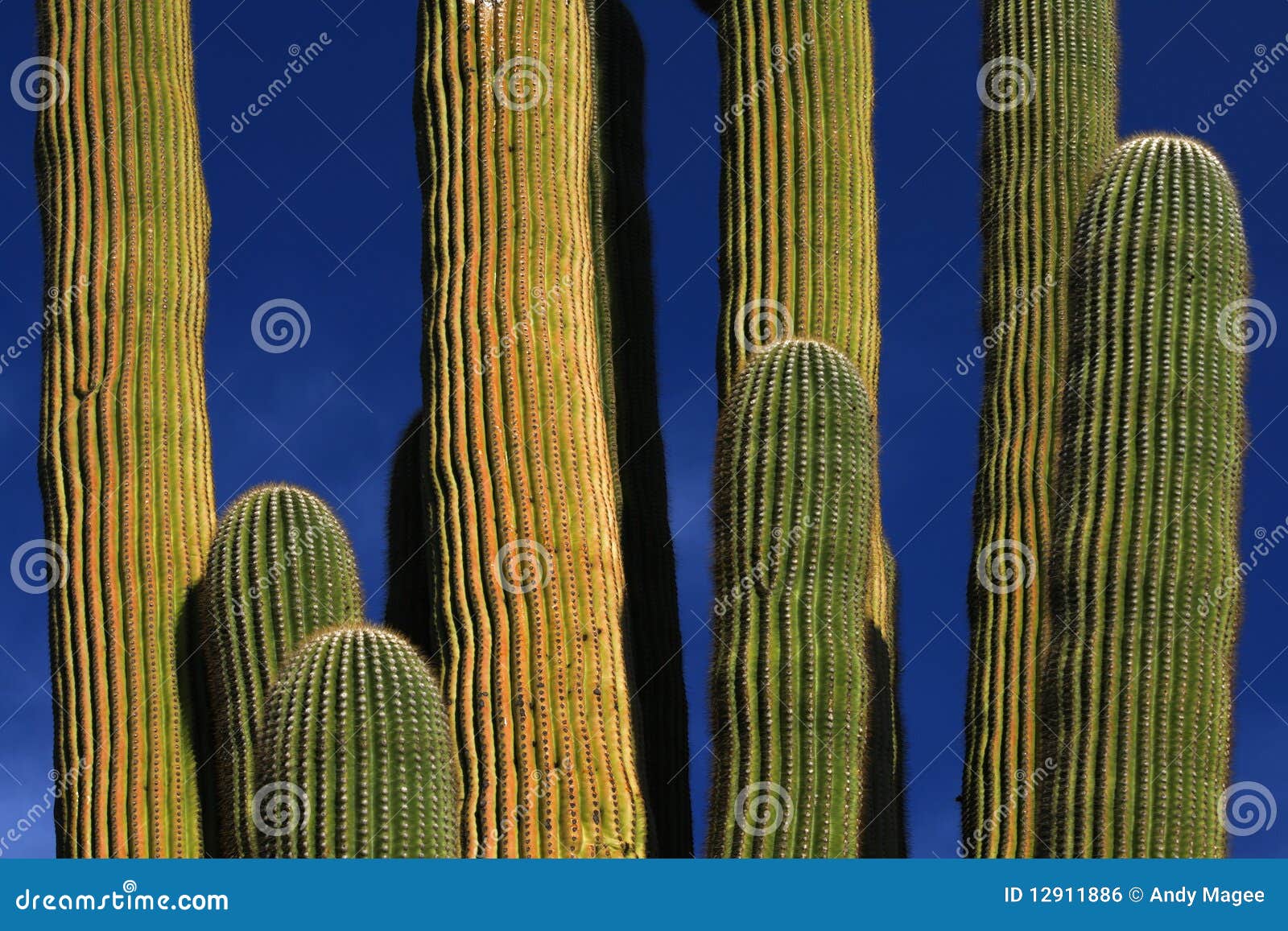
No exploration of cactus plants is complete without acknowledging the titans of the desert, beloved by many for their iconic forms and adaptability. The Saguaro cactus (Carnegiea gigantea) stands tall as a symbol of the American Southwest. A majestic giant reaching heights of up to 40 feet, its arms stretch towards the sky like a sentinel guarding the arid expanses. This magnificent plant not only provides shelter and sustenance for various desert creatures but is also a profound reminder of the harsh yet beautiful biome it calls home.
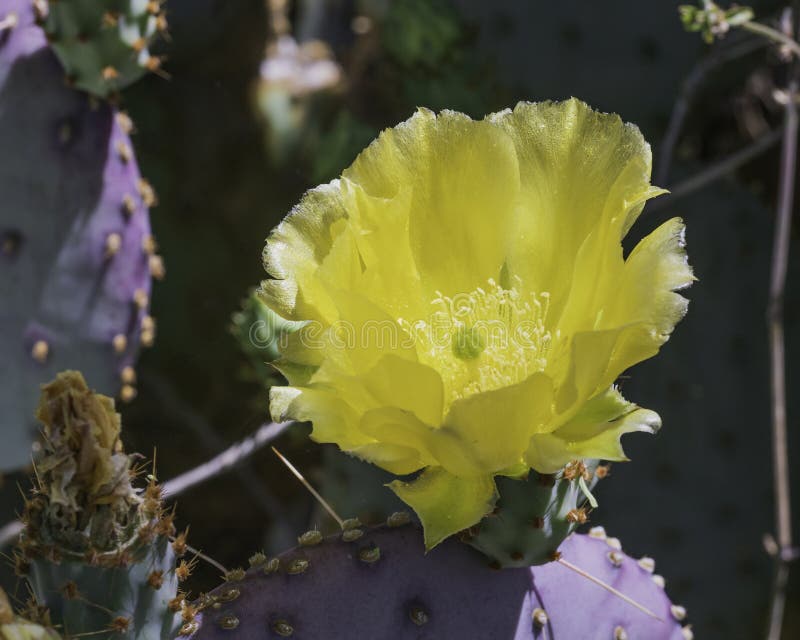
Further into the landscape, the Prickly Pear (Opuntia) invites intrigue with its rather whimsical appearance. Small, paddle-like pads adorned with vibrant fruits called tunas exude a playful charm, while the presence of spines is a staunch reminder of nature’s defense mechanisms. In many cultures, the Prickly Pear is revered not just for its resilience but also for its edible constituents, making it a versatile presence in both gardens and kitchen tables alike.
As we traverse further, we encounter the barrel cactus (Echinocactus) – an emblem of endurance and efficiency. With its cylindrical shape and formidable spines, this cactus is often likened to a fortress withstanding the barrages of the elements. Its storage capabilities allow it to conserve water during the dry spells, illustrating nature’s intelligent design.
The Ingenious Nomenclature: Unique Cactus Varieties
Beyond the commonly recognized species lies an enchanting realm of unusual cacti whose names often whisper tales of wonder and eccentricity. The Corpse Flower cactus (Stapelia) evokes an unexpected curiosity. Unfurling its blooms that emit a distinct odor reminiscent of decay, this plant is nature’s paradox, drawing in pollinators through a stark allure. Its name entwines with intrigue, illustrating how beauty can sometimes lurk behind a veil of the macabre.
The Monkey Tail cactus (Cleistocactus colademononis), crowned with vibrant, pendulous spines, resembles an eccentric tail swaying in the desert breeze. Its striking appearance not only catches the eye but merges playfulness and creativity, demonstrating the diversity in cactus morphology.
Another captivating entrant is the Ladyfinger cactus (Echinopsis chamaecereus). With finger-like projections that extend outward, often adorned with vibrant blooms, it is a sublime representation of feminine grace amidst the rugged landscape. This delicate juxtaposition of form adds to its allure, making it a delightful specimen for both collectors and casual plant enthusiasts.
Names Inspired by Origins: Cultural Connections
A significant aspect of cactus nomenclature often stems from cultural and geographic roots, drawing connections between the plant, the landscape, and the people who inhabit it. The Peyote cactus (Lophophora williamsii) is steeped in spiritual significance, renowned for its psychoactive properties utilized in various indigenous ceremonies. This antecedent forms a crucial understanding of how certain cacti have transcended their mere botanical identities to become instruments of cultural expression.
Furthermore, the Golden Barrel cactus (Echinocactus grusoni), with its spheric figure encased in brilliant golden spines, finds its name entrenched in both its visual splendor and geographic provenance. Originating from the arid regions of Mexico, it symbolizes the resilient spirit of those who thrive in challenging environments, making it an enduring favorite among cactus aficionados.
Embracing the Complexity: Care for Cacti
As captivating as their names and shapes might be, understanding the intricacies of cactus care is essential for ensuring their longevity and vibrancy. Each variety may have its individual needs, from sunlight exposure to watering routines, and recognizing these requirements is paramount for any cactus keeper. Inadequate attention to these needs can lead to catastrophic results, transforming these resilient beings into mere memories.
For example, the Saguaro requires a significant amount of sunlight to reach its towering potential, while the more modest Prickly Pear thrives in well-draining soil that mimics its native habitat. Such knowledge demystifies the cactus care process, transforming it from a daunting task into an engaging journey of growth and observation.
In conclusion, the world of cactus plants is rich with diversity and nuance. Their names, imbued with significance, reflect the myriad facets of their existence. As you explore the captivating realm of cacti, each species will unveil not only its unique appeal but also its intrinsic connection to the environment surrounding it. Discovering these captivating varieties can foster a deeper appreciation for the remarkable artistry of nature, one spiny silhouette at a time.
FAQ
What is a cactus?
A cactus is a member of the plant family Cactaceae, adapted to dry environments with thickened stems for water storage and often spines instead of leaves.
How do I identify different cactus species?
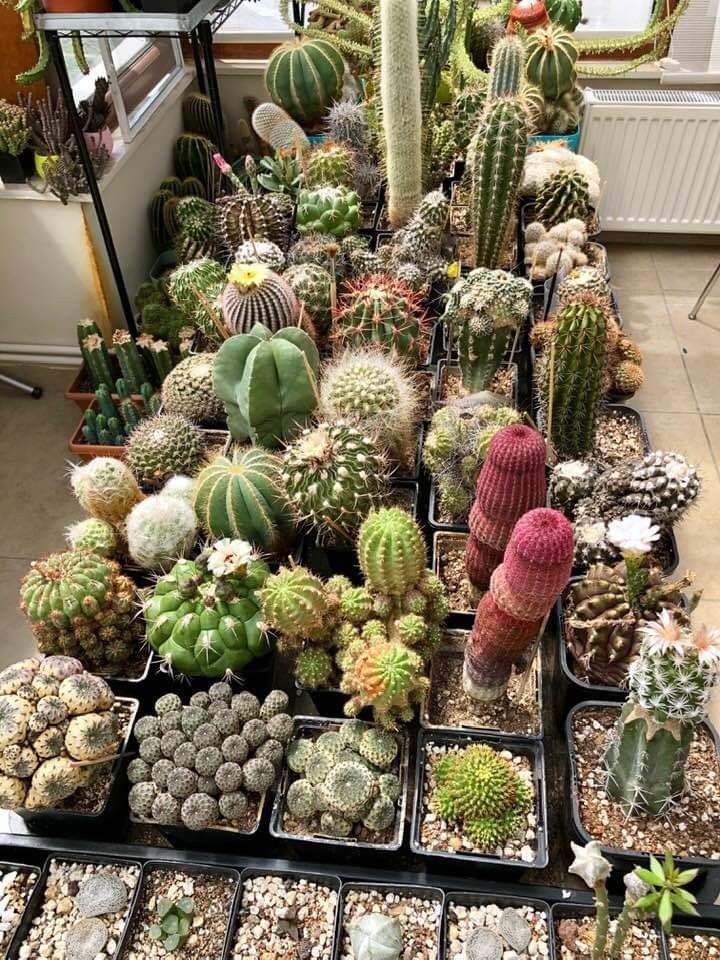
Identification is based on features such as shape, presence of spines or pads, flower color, and growth habits.
Can cacti be grown indoors?
Yes, many species adapt well to indoor environments if provided with sufficient light and proper watering.



Leave a Reply