
Short Answer
As consumers become increasingly conscious of natural products and sustainable practices, the interest in agave plants has surged. Knowing the value of agave—both in terms of monetary cost and practical applications—is crucial for potential buyers. This article delves into the price range of agave, the unique qualities that contribute to its valuation, and the various uses it heralds in culinary, health, and industrial sectors.
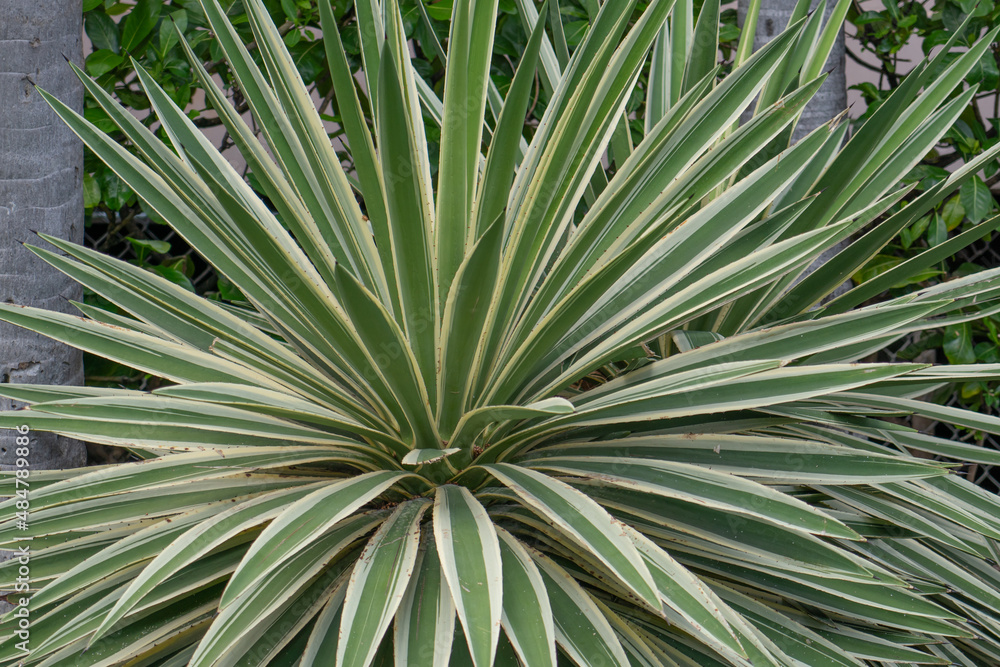
Agave plants originate from the arid regions of North America, particularly Mexico, where they flourish in mineral-rich soils. Several species of agave are cultivated for different purposes, determining their price. If you are considering investing in agave, understanding the factors influencing its price, its uses, and the market demand is indispensable.
Initially, potential buyers may wonder, “How much does an agave plant cost?” The price of agave can vary significantly based on several variables, including species, size, age, and whether it is being sold as a bare-root plant or in a container. Small agave plants can be found for as little as $10, while larger, mature specimens may command prices exceeding $100 or more. Specialty breeds or rare species can cost even more, sometimes reaching several hundred dollars. The primary species cultivated for commercial uses are Agave tequilana (blue agave), the foundation of tequila production, and Agave americana, known for its striking appearance and fibrous characteristics.
A key determinant of agave pricing lies in its age and maturity. Younger plants require several years to mature before they can be harvested for their sap, which is the primary ingredient in tequila and other agave-based products. Consequently, buyers should consider whether they are purchasing a decorative plant or one intended for production.
Beyond their aesthetic appeal, agave plants offer considerable utility. The market for agave products has grown considerably, providing buyers with a plethora of choices when it comes to culinary, medicinal, and industrial applications. This diversity impacts both demand and price. In this section, we’ll explore the principal uses of agave and their economic implications.
Culinary Uses of Agave: More Than Just Tequila
While tequila is the most famous product derived from agave, the plant’s sap, known as aguamiel, can be processed into agave syrup or nectar, celebrated for its low glycemic index compared to traditional sweeteners. This syrup has found favor among health-conscious consumers as a natural sweetening alternative. Prices for agave nectar typically range from $5 to $15 per bottle, depending on the quality and brand.
Additionally, agave leaves are utilized for their fibers, which are woven into textiles and ropes, underscoring the plant’s versatility. Artisans may charge premium prices for handmade products, thus further elevating the economic value of agave.
Health Benefits and Medicinal Properties
Agave has been used in traditional medicine for centuries, primarily for its purported health benefits. The high fiber content, particularly in agave inulin, may promote digestive health and provide a prebiotic effect, encouraging the growth of beneficial gut bacteria. Such attributes make the plant appealing to health enthusiasts seeking natural remedies and dietary supplements.
The increasing consumer focus on health has fueled the demand for agave-based products within health food markets, influencing both availability and price. Supplements derived from agave may carry a higher price tag than traditional pills due to their natural sourcing and incorporation of organic farming practices. This connection between health benefits and cost brings another layer of consideration for potential buyers.
Industrial Uses of Agave: A Sustainable Resource
In addition to culinary and health applications, agave fibers are utilized in various industrial capacities. The production of biodegradable packaging, eco-friendly textiles, and even construction materials highlights agave’s role as a sustainable resource. These innovations further support the argument for investing in agave; as sustainability grows in importance, so too does the demand for agave-related products.
As the world shifts towards eco-friendly practices, the industrial applications of agave are expected to become increasingly significant. The cost of agave fibers and related products may go up accordingly, influenced by their sustainable nature and demand for green alternatives.
Investing in Agave: Factors to Consider
When contemplating an investment in agave, it is essential to weigh both the immediate costs and the long-term benefits. Buyers should evaluate grading systems for agave products, research different species, and assess the reputation of suppliers. Furthermore, understanding ecological practices and supporting sustainable sourcing can enhance the overall value of the agave product.
Another consideration is the potential risk associated with agave cultivation. Climatic conditions, pests, and diseases can impact plant growth, which in turn can affect supply and pricing. Familiarizing oneself with best cultivation practices can mitigate these risks and ensure a fruitful investment.
In conclusion, agave serves as a multifaceted resource with diverse applications ranging from culinary uses to health benefits and industrial innovations. The valuation of agave plants and products is influenced by various factors including species, size, age, and market demand. As buyers embark on their agave journey, they must remain informed about pricing trends, sustainable practices, and the potential impact of their choices on their health and environment. By doing so, they can appreciate not only the monetary value of agave but also its invaluable contributions to contemporary living.
FAQ
How much does an agave plant typically cost?
The price of an agave plant varies widely depending on species, size, and maturity, ranging from around $10 for small plants to over $100 for large or rare specimens.
What are the main uses of agave plants?
Agave plants are used in producing tequila, agave nectar as a sweetener, medicinal supplements, and industrial products such as fibers for textiles and biodegradable materials.
What factors influence the price of agave products?
Species type, plant age, size, market demand, and sustainable sourcing practices all influence the pricing of agave plants and products.
Are agave plants sustainable?
Yes, agave plants are considered a sustainable resource due to their low water needs and use in eco-friendly products like biodegradable packaging and textiles.
What should buyers consider when investing in agave?
Buyers should consider plant species, growth maturity, supplier reputation, ecological practices, and local climate conditions affecting cultivation.


Leave a Reply