
Short Answer
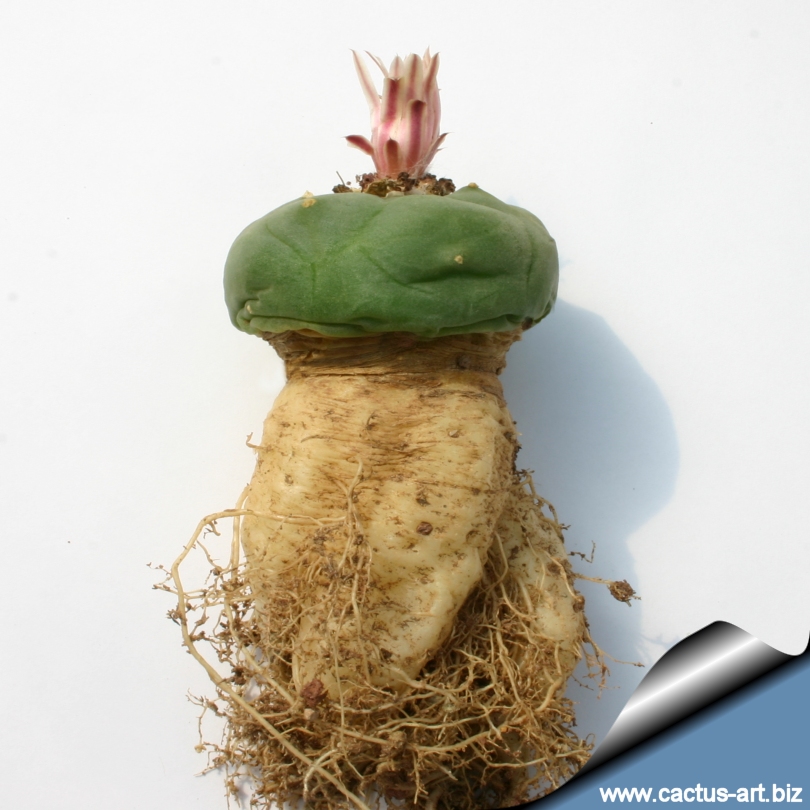
Imagine this: you’re gazing at your prized Lophophora, that enigmatic “peyote” cactus, its ribbed green crown glistening under the grow light like a tiny, spineless emerald treasure. You’ve nurtured it through seasons of neglect and sporadic waterings, and now—oh joy!—it’s sprouting offsets like a proud parent watching their children scatter into the world. But here’s the tantalizing question that keeps you up at night: Can you propagate Lophophora from offsets? The answer is a resounding yes—but not without a few botanical hurdles to leap over first.
The Allure of Offset Propagation: Why This Method Captivates Growers
Lophophora offsets, those adorable baby pups clinging to the base of the mother plant, are nature’s gift to impatient cactus enthusiasts. Unlike seeds, which demand patience (and a PhD in patience), offsets offer a shortcut to maturity. They’re already equipped with a miniature root system, a genetic clone of their parent, and—if you’re lucky—a stubborn will to survive. Propagating from offsets isn’t just efficient; it’s a celebration of the plant’s resilience, a testament to life’s tenacity in the driest of soils. But don’t be fooled by their cuteness. These pups come with their own set of demands, and ignoring them could turn your propagation dreams into a wilted nightmare.
The Critical First Step: Separating Offsets Without a Scalpel (or a Guilty Conscience)
Here’s where the plot thickens. Lophophora offsets aren’t like the detachable appendages of a succulent—they’re fused to the mother plant with the tenacity of a barnacle on a shipwreck. Forcing them apart requires finesse. Start by ensuring the pup is at least a third the size of the parent; anything smaller risks starvation. Gently wiggle it free with your fingers, or use a sterilized knife if the bond is stubborn. The key is to avoid damaging the roots or the mother plant’s base. Think of it as a surgical procedure, not a wrestling match. Once separated, let the pup callous over for a day or two. This isn’t just about preventing rot—it’s about giving the offset a moment to psych itself up for its solo adventure.
Rooting the Pup: The Delicate Dance of Patience and Precision
Now, the real test begins. Lophophora offsets aren’t fans of soggy soil or overzealous watering. In fact, they’re more likely to rot than root if you dote on them too much. Start with a gritty, well-draining mix—think coarse sand, perlite, and a whisper of organic matter. Bury the calloused base just enough to anchor it, then resist the urge to water. Instead, mist the soil lightly every few days, or place the pup in a bright, indirect light setup. High humidity is the enemy here; too much moisture invites fungal gatecrashers. If you’re feeling adventurous, try the “suspended animation” method: place the pup on a bed of dry sphagnum moss, barely touching the surface. This forces it to grow roots downward in search of moisture—a high-stakes game of hide-and-seek with hydration.
The Waiting Game: When Will Your Pup Deign to Root?
Ah, the cruelest part of propagation. Lophophora offsets can be as stubborn as teenagers refusing to clean their rooms. Some may root in a few weeks; others might take months, lounging in their pots like they’re on a permanent vacation. During this limbo period, your pup is essentially a botanical introvert, communing with the soil and ignoring your anxious glances. Resist repotting or fussing—disturbing it now is like waking someone mid-nap. Instead, monitor for signs of life: a slight firmness in the pup’s base, a hint of new growth at the crown. If you’re lucky, you’ll spot the first tentative roots peeking out like shy explorers. Patience, dear grower, is your most potent tool.
Common Pitfalls: The Usual Suspects That Doom Your Propagation Dreams
Even the most seasoned Lophophora whisperers have faced the heartbreak of a rotting pup. Overwatering is the obvious culprit, but let’s not overlook the sneaky saboteurs: poor drainage, compacted soil, or a pot that’s more prison than sanctuary. Avoid plastic pots—they trap moisture like a sauna on a summer day. Terracotta is your ally, wicking away excess dampness with the dignity of a desert nomad. Another foe? Direct sunlight. While Lophophora loves light, a freshly rooted pup is more akin to a vampire—it prefers the dappled shade of a grow tent to the harsh glare of noon. And then there’s the dreaded etiolation, where your pup stretches toward the light like a starving marathon runner, its ribs (or in this case, ribs) becoming painfully pronounced. This is a cry for help—move it to brighter conditions, stat.
The Reward: A Thriving Colony of Your Own Making
When your pup finally takes root, it’s like witnessing a miracle. One day, it’s a fragile nub; the next, it’s a self-sufficient little cactus, ready to face the world. Over time, your propagation efforts will yield a colony of Lophophora, each plant a clone of the original, a living testament to your green-thumbed prowess. These offsets will eventually produce their own pups, creating a self-sustaining ecosystem in your collection. It’s a slow process, but oh, how satisfying it is to watch your original Lophophora multiply like a botanical hydra. And let’s not forget the bragging rights: few things in the cactus world are as impressive as a thriving Lophophora colony, all propagated by your own hands.
Final Thoughts: Is Offset Propagation Worth the Hassle?
So, is propagating Lophophora from offsets a walk in the park? Hardly. It’s a test of patience, a dance with potential rot, and a lesson in restraint. But for those who persevere, the rewards are unparalleled. There’s something deeply magical about coaxing life from a tiny fragment of another plant, about watching a new generation take root and flourish. Lophophora offsets may be finicky, but they’re also forgiving—given the right conditions, they’ll reward your efforts tenfold. So go ahead, give it a try. Separate those pups, baby them through their rooting phase, and soon, you’ll have a thriving colony of your very own. And when your friends ask how you did it, just smile and say, I listened to the cactus.
FAQ
Can Lophophora be propagated from offsets?
Yes, Lophophora can be propagated from offsets, provided careful techniques are followed.
What is the best soil for rooting Lophophora offsets?
A gritty, well-draining mix is best, such as a combination of coarse sand and perlite.


Leave a Reply