
Short Answer
Imagine a plant so resilient it thrives on neglect, so versatile it dances between indoor elegance and outdoor ruggedness, and so visually striking it commands attention without uttering a word. The Opuntia, a genus of cacti that includes the beloved prickly pear, is not just a survivor—it’s a statement. Whether you’re a seasoned green thumb or a novice with a penchant for the extraordinary, growing Opuntia in containers offers a transformative journey into the world of desert botanicals. This isn’t just about keeping a plant alive; it’s about cultivating a living sculpture that redefines your relationship with nature.
The Allure of Opuntia: Why These Cacti Captivate Hearts and Homes
Opuntia cacti are the unsung heroes of the plant world, blending the raw beauty of the desert with the refined charm of a houseplant. Their flat, paddle-shaped pads—often adorned with delicate spines or vibrant flowers—are a study in contrasts: soft and spiky, delicate and tough, ephemeral and enduring. What makes them truly magnetic is their adaptability. These cacti don’t just tolerate containers; they revel in them, offering a canvas for creativity that few other plants can match.
Consider the Opuntia’s ability to flourish in both the controlled environment of your living room and the unpredictable whims of a balcony garden. Indoors, they bring a touch of the wild west into your space, their architectural forms adding depth and intrigue to minimalist decor. Outdoors, they become the backbone of a drought-resistant oasis, their resilience a quiet rebellion against the tyranny of high-maintenance flora. The Opuntia doesn’t just grow—it transforms.
Choosing Your Containers: From Rustic to Refined
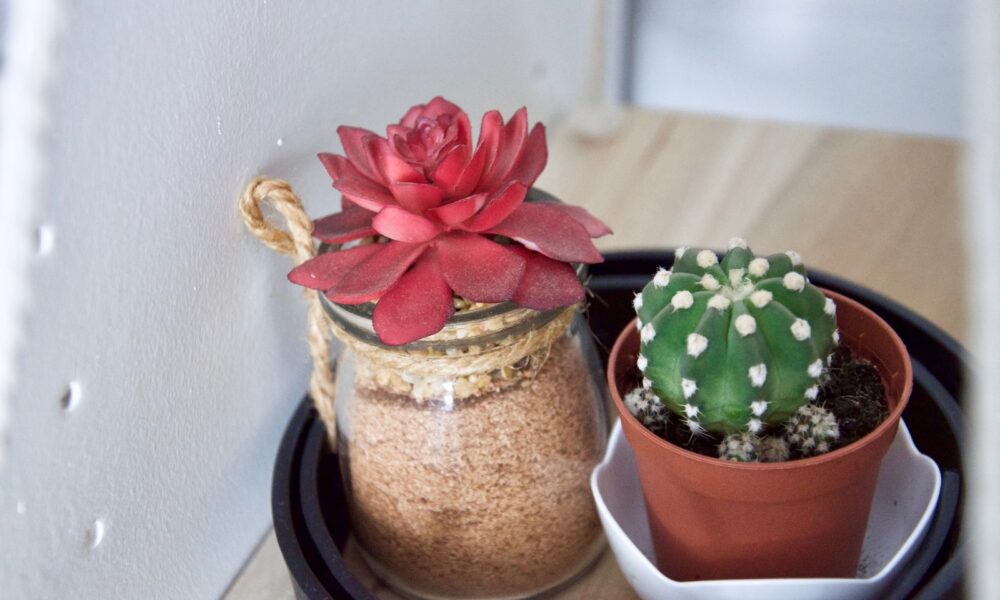
The vessel you choose for your Opuntia isn’t merely a pot; it’s a partnership. Terracotta, with its porous nature, breathes life into the roots, preventing the dreaded rot that plagues overwatered cacti. Ceramic, on the other hand, offers a sleek, modern aesthetic that pairs beautifully with the cactus’s geometric elegance. For the adventurous, repurposed tin cans or wooden crates lend a rustic, handcrafted charm, while sleek, high-gloss planters make a bold statement in contemporary interiors.
Size matters, but not in the way you might think. Opuntia roots are shallow but sprawling, so a wide, shallow container is ideal. Depth is secondary—what you’re after is a home that mimics the cactus’s natural, sun-baked terrain. And don’t forget drainage! A container without holes is a death sentence for these desert dwellers. If you’re smitten with a pot that lacks drainage, layer the bottom with gravel or perlite to mimic the arid conditions they crave.
Soil Secrets: Crafting the Perfect Arid Habitat
Opuntia isn’t just picky about its home—it demands a specific kind of soil, one that mimics the gritty, nutrient-poor landscapes of its native habitats. Standard potting mix is a no-go; it retains too much moisture, inviting root rot to claim your prized cactus. Instead, create a blend that’s part grit, part organic matter. Start with a base of high-quality cactus or succulent mix, then amend it with coarse sand, perlite, or pumice to ensure lightning-fast drainage. A touch of coconut coir or compost can provide just enough organic matter to keep the roots happy without suffocating them.
The texture of your soil mix should be coarse and airy, like the desert floor after a rare rain. If you’re feeling experimental, add a handful of crushed granite or lava rock for an extra boost of drainage and a dash of mineral richness. Remember, Opuntia doesn’t just tolerate poor soil—it thrives in it. The leaner the mix, the happier your cactus will be.
Light: The Golden Key to Opuntia’s Radiance
Light is the lifeblood of Opuntia, and getting it right is the difference between a thriving specimen and a lackluster one. Indoors, these cacti crave bright, indirect light—think a south-facing windowsill or a spot near an east-facing window where the sun’s rays are gentle but persistent. If your home is dim, supplement with a grow light, but avoid the harsh, direct rays of a south-facing window without a sheer curtain, which can scorch the pads.
Outdoors, Opuntia is a sun-worshipper. Full, unfiltered sunlight is its preferred environment, where it can bask in the glory of 6-8 hours of daily rays. If you’re growing it in a container on a patio or balcony, rotate the pot regularly to ensure even exposure. Without enough light, your Opuntia will stretch and etiolate, its once-compact pads elongating into a sad, leggy shadow of their former selves. But give it the light it craves, and watch as it flourishes into a compact, vibrant masterpiece.
Watering Wisdom: The Art of Restraint
Watering an Opuntia is less about hydration and more about restraint. These cacti are built for drought, their thick pads storing water like a camel’s hump. Overwatering is the fastest way to send your Opuntia to an early grave. The golden rule? Water deeply, then let the soil dry out completely before watering again. Indoors, this might mean a drink every 3-4 weeks in the growing season, tapering off to once every 6-8 weeks in winter. Outdoors, rainfall often suffices, but in prolonged dry spells, a thorough soak every few weeks will keep your cactus content.
How do you know when it’s time to water? Stick your finger an inch into the soil. If it’s bone-dry, your Opuntia is thirsty. If there’s even a hint of moisture, walk away. These cacti don’t do well with wet feet, and soggy soil is a one-way ticket to root rot. When in doubt, err on the side of underwatering. Your Opuntia will forgive you for neglect; it won’t forgive you for kindness.
Fertilizing: A Light Touch for Lush Growth
Opuntia doesn’t need much in the way of fertilizer, but a little can go a long way in encouraging robust growth and vibrant blooms. During the growing season (spring and summer), feed your cactus with a balanced, water-soluble fertilizer diluted to half-strength. A 10-10-10 or 5-10-10 blend works well, applied every 4-6 weeks. Avoid fertilizing in winter, when the plant is dormant and doesn’t need the extra nutrients.
The key here is subtlety. Opuntia thrives in lean conditions, and too much fertilizer can lead to weak, etiolated growth or even burn the roots. Think of it as a light seasoning rather than a heavy meal. A little goes a long way, and your cactus will reward you with steady, healthy growth.
Pruning and Propagation: Multiplying Your Desert Oasis
Pruning an Opuntia isn’t about shaping—it’s about survival. If a pad becomes damaged, diseased, or overcrowded, don’t hesitate to remove it. Use a clean, sharp knife or pruning shears, and let the cut callous over for a few days before replanting the pad as a new start. This is where the magic of propagation begins. Simply lay the severed pad on dry soil, and in a few weeks, it’ll root and grow into a new plant.
Propagation is the Opuntia’s gift to the patient gardener. Whether you’re dividing a mature plant or rooting a fallen pad, the process is simple and rewarding. Place the cutting in a warm, bright spot, and resist the urge to water it immediately. Let it callous over for a week or two, then plant it in dry soil. Water sparingly, and in a few months, you’ll have a brand-new Opuntia to call your own. It’s a cycle of life, a testament to the cactus’s indomitable spirit.
Pests and Problems: Keeping Your Opuntia Thriving
Even the hardiest Opuntia can fall prey to pests, but vigilance is your best defense. Mealybugs and scale insects are the usual suspects, their cottony or armored bodies clinging to the pads like uninvited guests. Combat them with a cotton swab dipped in rubbing alcohol, or spray the plant with a mix of water and neem oil. For larger infestations, a systemic insecticide may be necessary, but always opt for the least toxic solution first.
Root rot is the silent killer of Opuntia, creeping in when soil stays too wet for too long. If you notice yellowing pads or a mushy base, act fast. Remove the plant from its pot, trim away any rotten roots, and repot it in fresh, dry soil. Prevention is key—always err on the side of underwatering, and ensure your container has adequate drainage.
Designing with Opuntia: A Symphony of Form and Function
Opuntia isn’t just a plant—it’s a design element. Group multiple varieties together for a striking, textural display, or pair a single specimen with air plants and succulents for a modern, minimalist vignette. Outdoors, use Opuntia to create a drought-resistant border or a focal point in a rock garden. Their architectural forms and vibrant blooms make them the perfect foil for softer, flowing plants like ornamental grasses or trailing sedums.
The beauty of Opuntia lies in its versatility. It can be a statement piece in a minimalist loft or a rugged survivor on a sunbaked patio. It can thrive in a tiny windowsill pot or a sprawling container garden. The only limit is your imagination. So go ahead—embrace the wild, the spiky, the resilient. Let your Opuntia be more than a plant. Let it be a revolution.
FAQ
What type of soil is best for Opuntia in containers?
Opuntia thrives in a coarse, well-draining soil mix, ideally composed of cactus mix amended with sand, perlite, or pumice.
How often should I water my Opuntia?
Water deeply and allow the soil to dry out completely before the next watering, typically every 3-4 weeks during the growing season.
What light conditions do Opuntia cacti need?
Indoors, Opuntia prefers bright, indirect light. Outdoors, it requires full sunlight for 6-8 hours daily.

Leave a Reply