
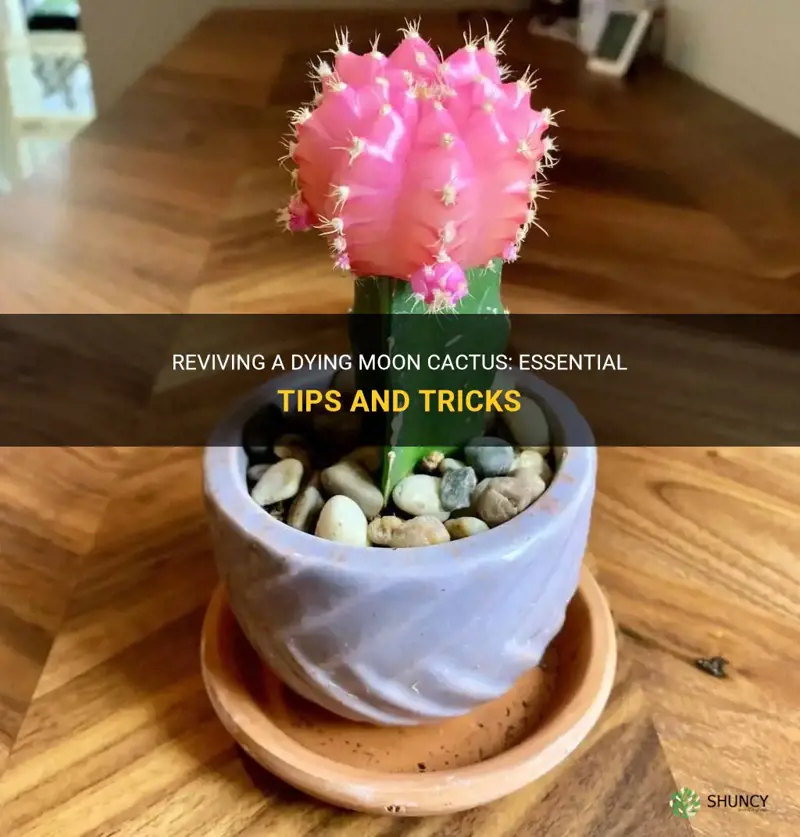
Short Answer
The resilient charm of cacti has long captivated plant enthusiasts and novices alike. These spiny sentinels thrive in some of the harshest environments on Earth, beckoning curiosity and admiration. Yet, even the hardiest cactus can falter under suboptimal care, leaving many to wonder how to restore life to these parched yet vibrant plants. The enigma lies not only in their survival but in the profound biological mechanics that underpin their resilience. Understanding how to revive a dying cactus is an art and science that connects us to the rhythm of nature’s endurance and invites us into a deeper botanical relationship.
Recognizing the Signs of Distress
Before initiating revival efforts, it is paramount to accurately diagnose the cactus’s condition. A dying cactus often exhibits telltale signs such as discoloration—ranging from pale yellow to brown or even black. Soft, mushy stems signal rot, while shriveling indicates dehydration. The crown or base may ooze a viscous, foul-smelling liquid, an unmistakable herald of fungal or bacterial invasion. These visual cues are not mere cosmetic flaws but represent complex physiological distress signals, offering insight into what might be sabotaging the cactus’s vitality.
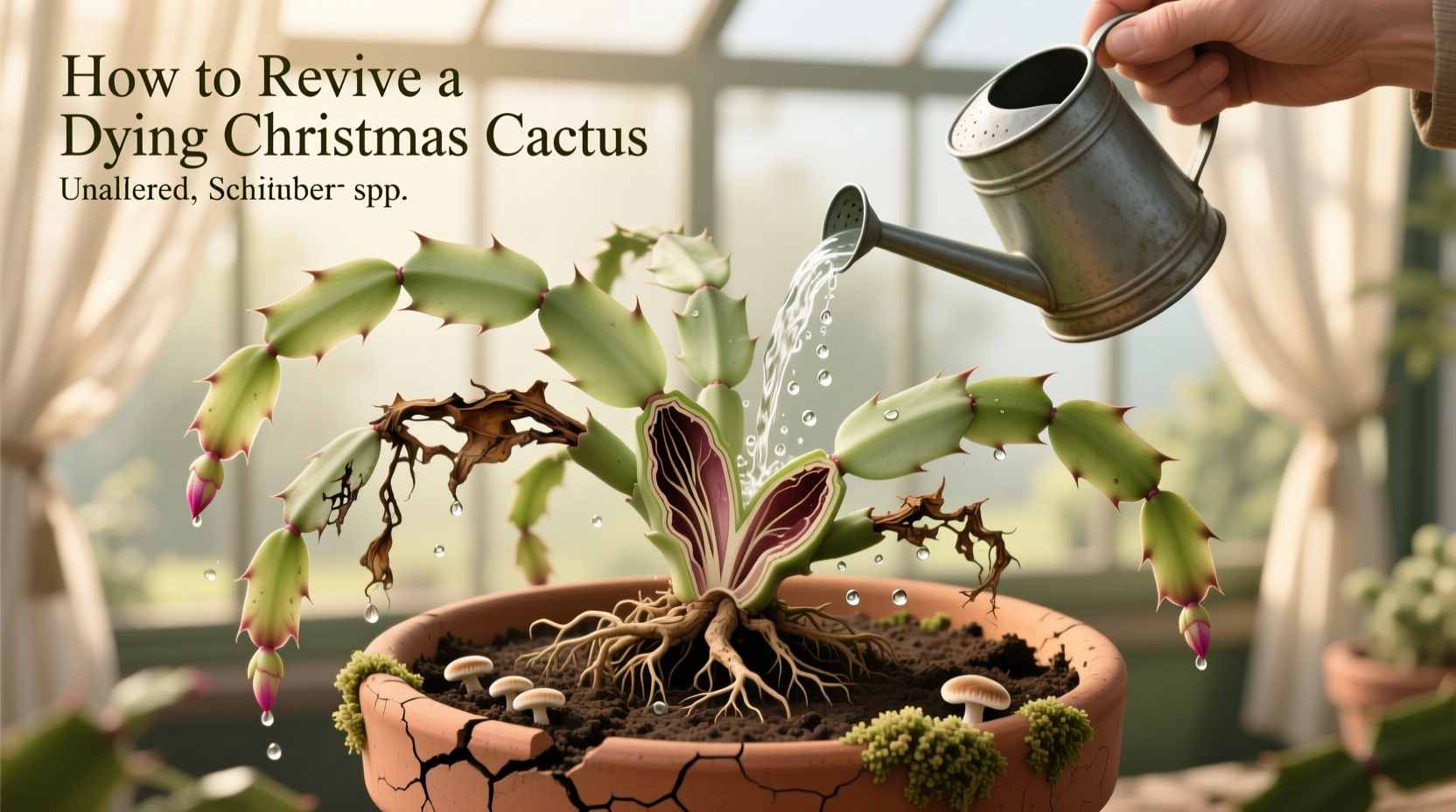
Understanding these manifestations is crucial because misdiagnosis can exacerbate damage. For example, overwatering causes root rot, while underwatering leads to desiccation—both conditions require diametrically opposed interventions.
Assessing the Root Cause: Watering Practices
The predominant culprit behind ailing cacti is often the gardener’s well-meaning but misguided watering routine. Cacti, being succulents, have evolved extraordinary mechanisms to store and conserve water. Excess moisture is anathema to their survival, fostering root and stem rot through fungal proliferation. Conversely, prolonged drought stresses the plant’s cells, leading to collapse and desiccation.
Optimal watering requires a delicate balance. During active growth seasons, moderate watering once the soil has thoroughly dried out supports healthy regeneration. In dormant periods, watering should be minimal to nonexistent. Employing the “soak and dry” method—deep watering followed by complete soil drying—mimics natural desert cycles and rejuvenates cactus metabolism.
Examining Soil and Drainage Conditions
Even the most carefully timed watering cannot compensate for poor soil conditions. Cacti demand exceptionally well-draining substrates that prevent water from lingering around their roots. Heavy, compacted soils suffocate root systems and invite pathogens.
To resuscitate a dying cactus, repotting into a porous cactus mix enriched with coarse sand, perlite, or pumice facilitates rapid drainage. This substrate prevents standing water and encourages oxygen exchange—both vital to root health. Additionally, ensuring the pot has ample drainage holes is non-negotiable; container design often dictates the success of revival attempts.

Light Requirements: Finding the Right Balance
Light is the elixir of life for cacti, but like water, it must be dispensed judiciously. Insufficient light prompts etiolation—a process whereby the cactus elongates and weakens, turning pale as it stretches toward the nearest illumination. On the flip side, excessive or harsh direct sunlight, especially through windows during summer, can cause photodamage, scorching the delicate epidermis and inducing stress.
A dying cactus often benefits from gradual acclimatization to increased light. Moving it to a bright, indirect sun location then progressively transitioning to full sun prevents shock. Seasonal adjustment of light exposure is also imperative to synchronize with natural growth cycles, fostering regeneration.
Pruning and Managing Diseased Tissue
When survival hangs in the balance, surgical intervention can be lifesaving. Removing necrotic or rotten tissue stanches the spread of pathogens and allows the plant to focus its resources on healthy growth. Utilize sterilized, sharp knives to excise soft or discolored sections. Post-pruning, apply a fungicidal powder or cinnamon—a natural antifungal agent—to the cut surfaces to inhibit microbial invasion.
Allow the wounded areas to callus over in a warm, dry location before resuming watering to prevent rot. This latent period is essential to forming a protective barrier and ensuring successful regrowth.
Fertilization: Feeding the Resilience
While cacti are not voracious feeders, strategic fertilization can expedite recovery. Use a balanced, diluted fertilizer formulated for succulents during the growing season to supply essential nutrients. Avoid excessive nitrogen, which encourages soft, vulnerable growth. Instead, look for formulations with higher phosphorus and potassium content to promote robust root systems and flowering potential.
Feeding should be sparing; over-fertilizing can lead to nutrient toxicity, burning delicate roots and compounding stress in an already vulnerable plant.
Temperature and Humidity Considerations
The microclimate surrounding a cactus profoundly influences its health. These plants are adapted to arid environments with fluctuating temperatures—warm days and cool nights. Excessive indoor heating or sudden cold drafts can provoke physiological shock. Keeping the cactus in a stable temperature range between 65°F and 85°F with low humidity emulates desert conditions and supports metabolic processes essential for healing.
Humid environments can exacerbate fungal infections; therefore, adequate air circulation is critical. Positioning the cactus near a gentle fan or an open window can reduce stagnant moisture and deter pathogens.
Patience and Observational Care
Reviving a dying cactus is a test of patience as much as horticultural skill. Improvement may be gradual and intermittent. Vigilant observation for new growth points, firming of tissues, and the re-emergence of vivid coloration signals successful intervention. Conversely, persistent decline necessitates revisiting care strategies or consulting an expert for deeper diagnostic insight.
Documenting changes, adjusting care incrementally, and cultivating empathy with the plant’s rhythms transforms revival into a profoundly rewarding journey.
Conclusion: The Deeper Fascination with Cacti Revival
The allure of reviving a dying cactus stems from more than mere botanical curiosity—it touches on themes of resilience, stewardship, and connection to the natural world. In nursing these stoic plants back to vibrancy, one participates in a cycle of life, death, and regeneration magnified in miniature. This process reveals the intricate balance of environmental factors and the elegance of evolutionary adaptations. To revive a cactus is, therefore, to rekindle a relationship with endurance itself, a testament to nature’s unyielding tenacity and the gardener’s nurturing spirit.
FAQ
What are the signs that my cactus is dying?
Signs include discoloration, soft stems, shriveling, and oozing liquid.
How often should I water my cactus?
Water when the soil is completely dry, typically using the soak and dry method.
What type of soil is best for cacti?
Cacti need well-draining soil, ideally a mix with sand or perlite.



Leave a Reply