
Short Answer
Imagine capturing a piece of the desert’s indomitable spirit and cradling it delicately within a glass sanctuary—a living poem of resilience and artistry. Cactus terrariums have emerged as one of the most captivating DIY projects, blending nature’s austerity with human creativity in an intimate vignette of life. These miniature ecosystems are more than just stylish décor; they are emblematic of endurance, subtle beauty, and a quiet rebellion against the mundane. Let’s journey through the fascinating world of cactus terrariums and discover why they have enslaved the hearts of hobbyists and design aficionados alike.
The Allure of Cacti: Nature’s Sculptural Marvels
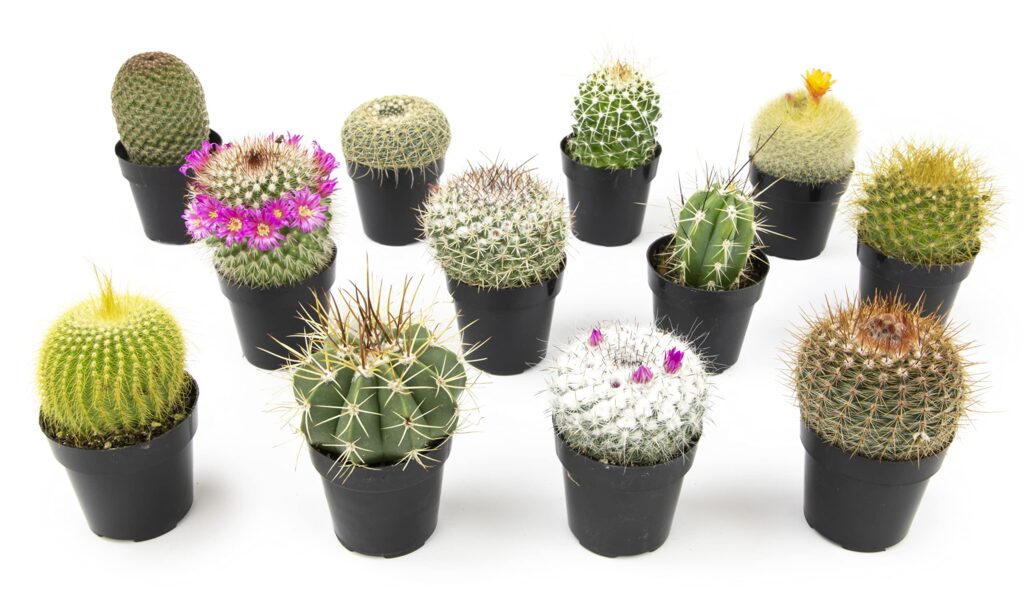
Cacti are not merely prickly plants; they are living sculptures forged by evolution’s patient hand. Their geometric symmetry, spiny exteriors, and peculiar shapes conjure an aesthetic that defies convention. Each spine, rib, and bloom speaks a silent language of survival in harsh terrains. This inherent artistry makes cacti perfect muses for terrariums. When enclosed in glass, these verdant sculptures are elevated—encased like rare gems that invite admiration from every angle. Their resilience mirrors our own quest for growth amidst adversity, captivating the imagination beyond the superficial.
Glass Gardens: The Enchanting Framework of Terrariums
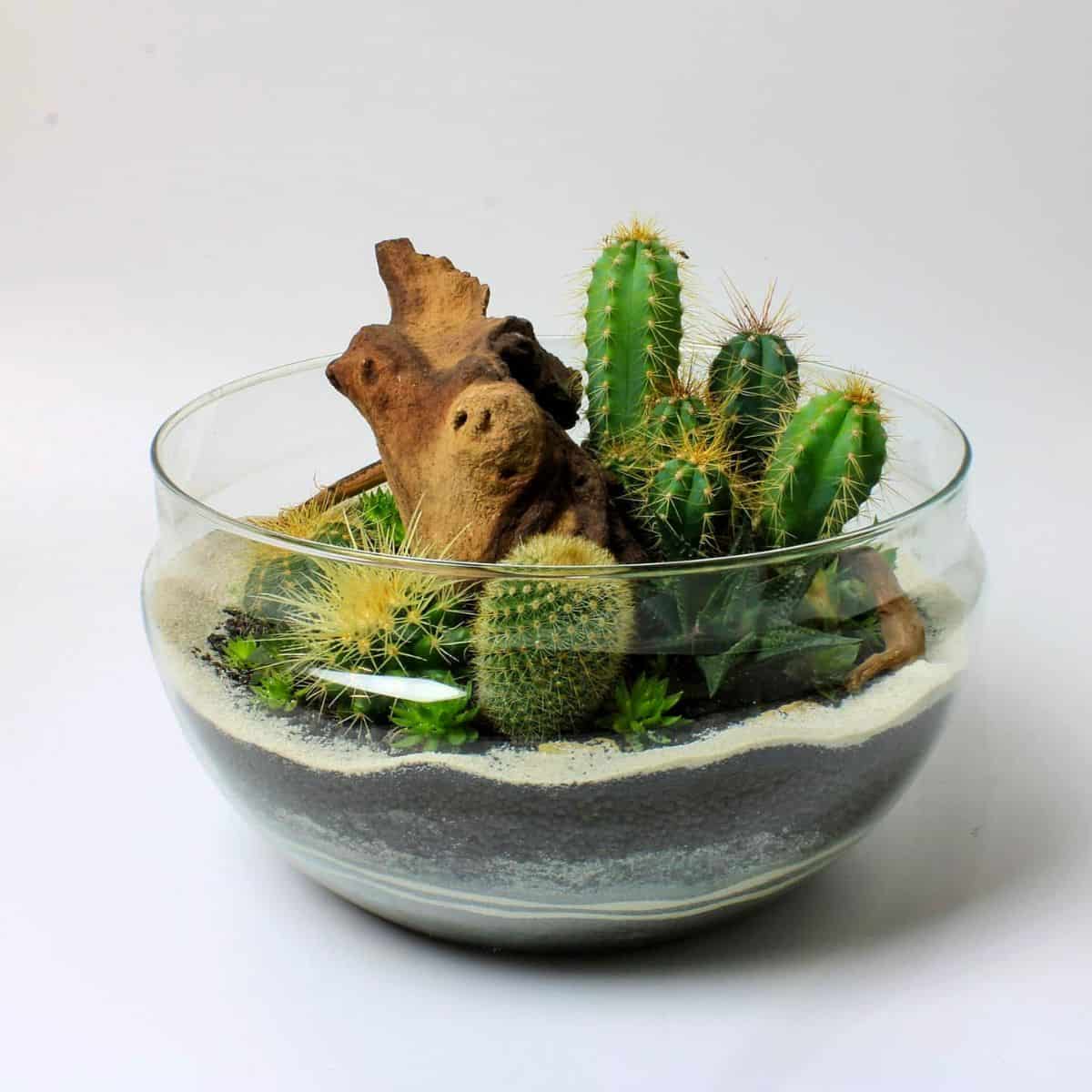
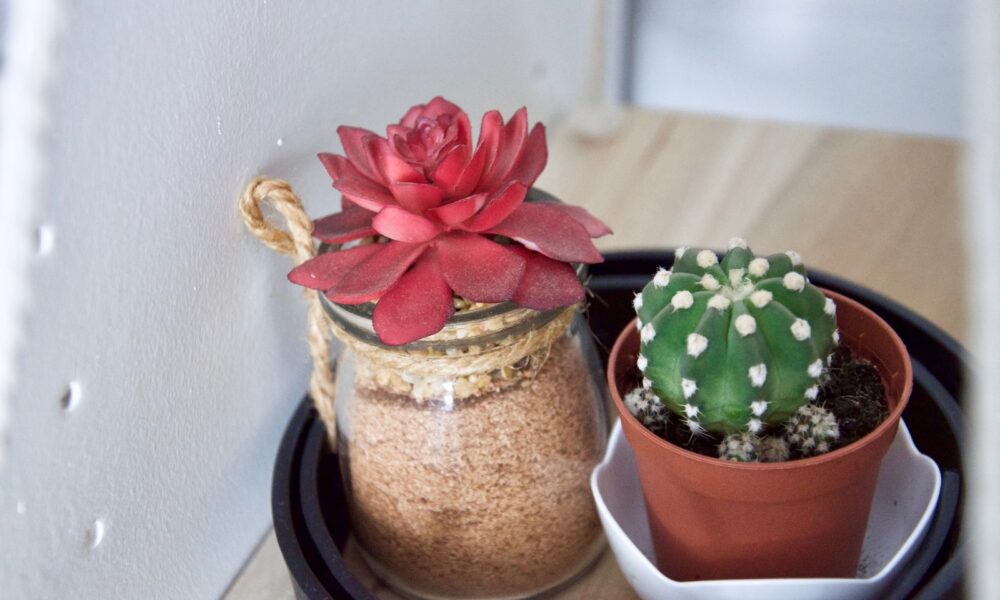
Terrariums transform simple glass containers into mystical worlds, where cacti thrive protected under a transparent dome. The glass is both a barrier and a window—preserving microclimates while providing uninterrupted views of nature’s finesse. From geometric terrariums with sharp facets to vintage jars with rounded contours, the variety is immense, allowing the builder’s personality to shine through the choice of vessel. This transparent enclosure creates a theatrical stage, spotlighting the cacti as protagonists in a miniature drama of life and light. The interplay of shadows and sunlight within these glass confines adds an ever-changing dynamic, making the terrarium a living gallery.

Crafting Your Own Cactus Terrarium: A Journey of Creation
Building a cactus terrarium is akin to sculpting a tiny desert landscape, a tactile meditation where every grain of sand and pebble counts. The process begins with selecting an appropriate container—a crystal-clear vessel free of clutter is ideal to maintain visual purity. Next, layers of substrate establish the foundation: drainage pebbles prevent waterlogging, activated charcoal combats odors and bacteria, and cactus soil provides nourishment. Selecting the cacti themselves is a delightful mini-adventure; choosing varieties with complementary shapes, sizes, and colors enhances the visual narrative.
Arranging these elements demands artistic patience, balancing negative space with clustered vitality. The tactile act of planting, adjusting, and sometimes replanting is grounding—a quiet communion with nature’s rhythms. The final flourish is often decorative stones or miniature figurines, transforming the terrarium into a whimsical tableau. This process empowers creators to infuse personality and mood into their glass worlds, making every terrarium a unique signature.

The Unique Appeal: Why Cactus Terrariums Captivate
What makes cactus terrariums uniquely magnetic is their paradoxical nature—they are simultaneously rugged and delicate, alive yet enclosed, minimalistic yet intricate. They embody resilience distilled into a form small enough to fit on a desk or windowsill, inviting daily moments of wonder. Unlike more demanding plants, cacti are forgiving and require minimal care, offering a therapeutic touchpoint for urban dwellers craving a green oasis without overwhelming responsibility.
Moreover, their aesthetic complements a wide range of décor styles—from mid-century modern to boho chic—making them versatile artistic accents. They stimulate curiosity and conversation, inviting viewers to reconsider their relationship with nature. The terrarium acts as a microcosm, connecting us to broader themes of environmental stewardship and the beauty of simplicity amid complexity.
Care Tips for Long-lasting Cactus Terrariums
While cacti are hardy, ensuring their vitality within glass enclosures requires mindful care. Maintaining proper light levels is paramount; many cacti thrive under bright, indirect sunlight, which can be facilitated by placing terrariums near well-lit windows. Overwatering is a common pitfall—succulents demand infrequent hydration, allowing the soil to dry fully between sessions. Ensuring adequate ventilation is another key factor; sealing terrariums completely can trap moisture leading to rot, so designs with vents or removable lids are preferable.
Regular monitoring to identify signs of distress, such as discoloration or soft spots, will extend the lifespan of this miniature ecosystem. With just a touch of attention, cactus terrariums can become perennial sources of delight and a testament to nurturing patience.
Expanding Creativity: Beyond Basics to Thematic Terrariums
Once the basics are mastered, enthusiasts often explore thematic explorations. Cactus terrariums can mimic desert sunsets with layers of colored sand, or evoke a sci-fi vibe through futuristic geometric containers. Incorporating tiny fairy garden elements or metallic accents adds narrative depth. These bespoke creations transform simple gardening into storytelling, where the terrarium is both stage and script.
For those eager to push boundaries, mixing cacti with air plants or mosses introduces textural contrast and further complexity. Experimenting with scale—from petite single-cactus arrangements to sprawling multi-species geometries—redefines what a terrarium can be. Each iteration expands the creative horizon, fueling an addictive cycle of making and marveling.
In essence, cactus terrariums are more than a trendy DIY project—they are living metaphors for strength, artistry, and intimate connection with the natural world. They invite us to slow down, observe, and nurture beauty on a micro scale. In their glassbound worlds, resilience flourishes, and creativity blossoms—a timeless gift to both maker and observer.
FAQ
What materials do I need to create a cactus terrarium?
To create a cactus terrarium, you need a clear glass container, drainage pebbles, activated charcoal, cactus soil, and selected cacti. You can also add decorative stones or miniature figurines.
How often should I water my cactus terrarium?
Cacti in terrariums require infrequent watering. Ensure the soil is completely dry before watering again to prevent overwatering.

Leave a Reply