
Short Answer
Watering a cactus is like deciphering the whispers of a desert sage—subtle, minimalistic, yet profoundly vital. These resilient plants, masters of arid survival, have evolved to thrive on scarcity, making the art of watering them an exercise in patience and intuition rather than inundation. Understanding how often to water a cactus is akin to tuning into its silent rhythm, ensuring it flourishes without drowning in excess. This guide will unravel the mystery behind the watering frequency of these spiny marvels, revealing the secrets to keeping them healthy, vibrant, and thriving.
The Desert Dance: Understanding Cactus Watering Needs
Cacti are not just plants; they are living testaments to endurance, sculpted by harsh desert climates where water is a precious treasure. Their unique physiology—thick, fleshy stems designed to store moisture and protective spines replacing leaves—demands a watering approach deeply attuned to their natural habitat. Unlike tropical plants that soak up frequent hydration, cacti thrive on infrequent, deep drinks that mimic the rare desert downpours. Overwatering is their nemesis, often leading to root rot and decay. Hence, watering a cactus is a deliberate dance, matching the pulse of nature itself.
Seasonal Wisdom: When and How Often to Water
Seasonality transforms the watering regimen dramatically. During their active growth period—typically spring and summer—cacti awaken from dormancy, demanding more frequent hydration to support development. A general rule of thumb during these warmer months is to water approximately every 10 to 14 days, allowing the soil to dry completely between watering sessions.
Contrastingly, as daylight shortens and temperatures fall in autumn and winter, cacti enter dormancy, a phase where their metabolic processes slow like a clock in slow motion. During this time, watering should be reduced drastically—often to once a month or less—to prevent soggy roots and unnecessary stress. Observing environmental cues and adjusting accordingly is paramount; tropical cacti may require slightly different intervals, but the overarching principle remains minimal hydration in cold months.
Soil and Potting: The Unsung Influencers
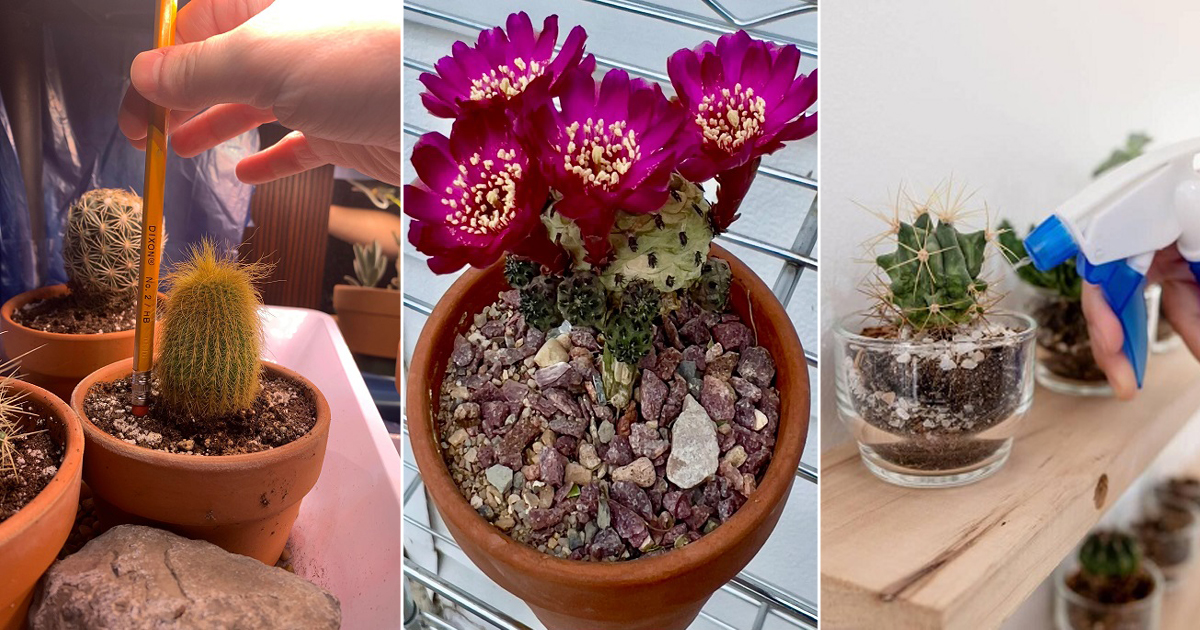
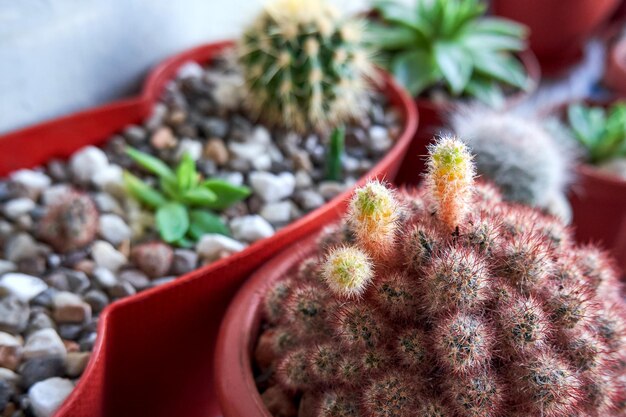
The medium in which a cactus grows is a silent yet powerful influencer of its watering frequency. Fast-draining, gritty soils that mimic desert grit are essential. Such substrates prevent water from languishing around roots, reducing rot risks. Clay pots, often breathing and porous, encourage faster drying, whereas plastic containers retain moisture longer, necessitating longer gaps between watering.
Always probe the top inch of soil—if it feels bone dry, your cactus is signaling thirst. This tactile check is far superior to rigid schedules. Additionally, season factors, ambient humidity, and indoor versus outdoor placement interplay dynamically with soil conditions, collectively dictating how often a cactus should be watered.
Signs of Thirst and Overindulgence: Reading the Cactus’ Signals
Cacti communicate their hydration status in language rich with visual cues. Wrinkling and shriveling indicate dehydration, as the plant taps into its stored water reserves, urging for a well-timed drink. Skin loses plumpness, becoming dull and slack. Early watering at this point can revive and rejuvenate it.
Conversely, overwatering weaves a tale of peril through yellowing, mushiness, and premature dropping of spines or flowers. The roots might drown in stagnant moisture, inviting fungal intruders. If the base of the cactus appears swollen or soft, it’s a cardinal sign of excess moisture distress. Recognizing these signs promptly can save your plant from irreversible damage.
Watering Techniques: Precision over Volume
The method of watering can be as vital as the frequency itself. Aim for deep, thorough hydration that penetrates the root zone but avoids surface puddles. Applying water slowly until it drains from the pot’s bottom ensures roots soak adequately without lingering wetness. Avoid misting, which benefits humid-loving plants but can encourage fungal growth in cacti.
Using room temperature water prevents shocking the plant’s delicate system. Morning watering is preferable, allowing any superficial moisture to evaporate during the day, thereby reducing risk of disease. These nuances elevate cactus care from mundane chores to mindful rituals.
Environmental Enhancers: Light, Temperature, and Humidity
Cacti flourish with plenty of sunlight—ideally 6 to 8 hours daily—simulating their native exposure. Light intensity spikes water usage as they activate photosynthesis, thus requiring more frequent hydration during sunny spells. Cooler indoor environments or shaded positions reduce evaporation rates, allowing longer intervals between watering.
Humidity also plays a quiet role. High humidity surroundings slow down soil drying, urging caution not to water too soon. Conversely, dry air accelerates water loss, sometimes demanding closer attention and slight watering increases. Mastering this delicate interplay enhances the vitality of your desert jewel.
Special Considerations for Different Cactus Varieties
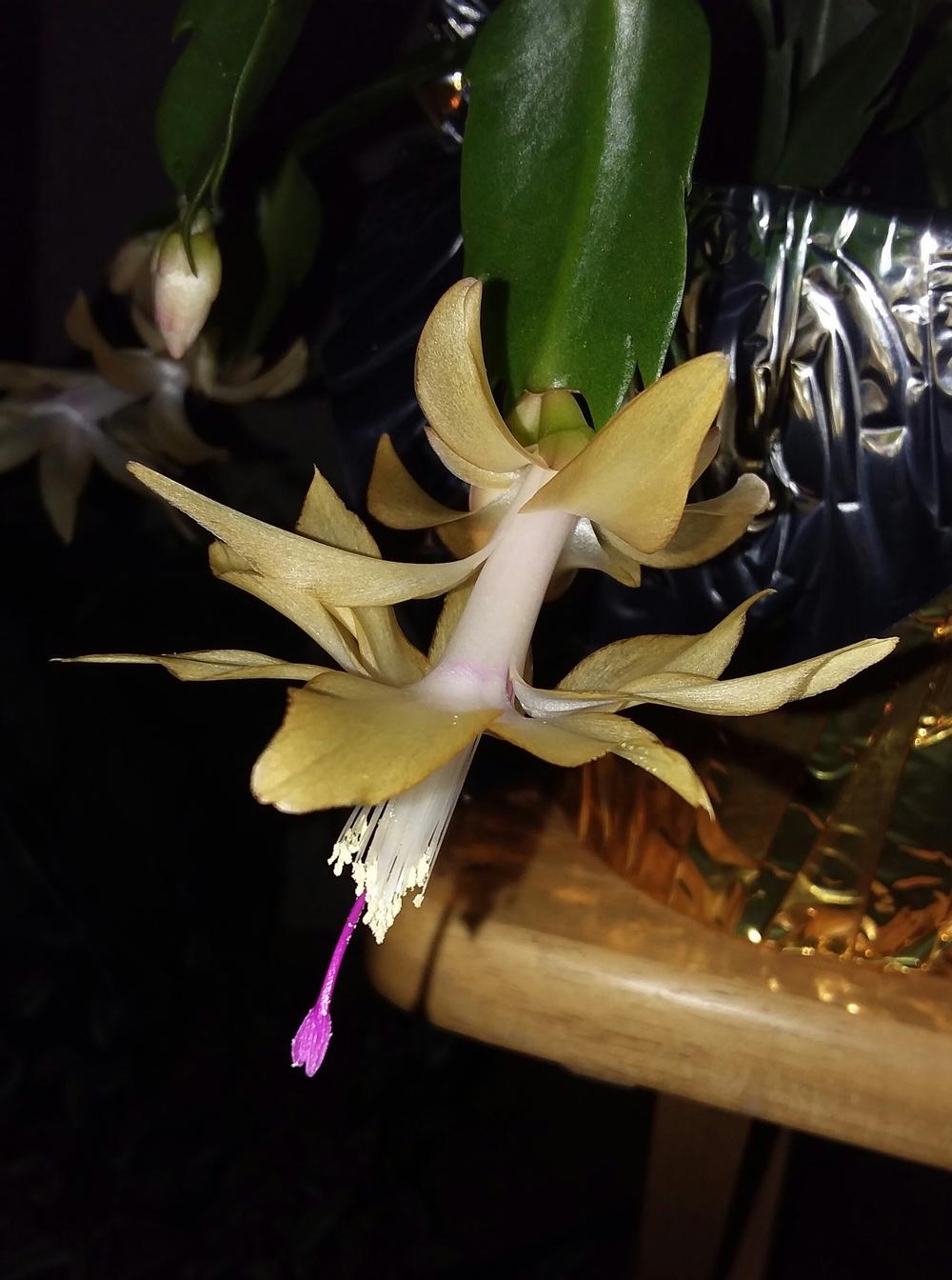
The world of cacti is vast and varied—from barrel-shaped giants to small globular species and slender columnar types. Each possesses subtle differences in water tolerance. For example, desert cacti like the Golden Barrel or Saguaro are more drought-tolerant, needing watering only every few weeks in peak season. Tropical cacti, such as Epiphyllum or Christmas cactus, have slightly higher water demands and prefer more frequent but lighter hydration.
Researching specific species and adapting your watering routine ensures personalized care, bringing out their best features and encouraging bloom cycles. Recognize that individual plants may have unique quirks, and observation trumps rigid rules.
In Conclusion: Fostering a Thriving Relationship with Your Cactus
Watering a cactus is a delightful paradox—requiring less can achieve more. It is a lesson in restraint and observation, a metaphorical dialogue between human caregiver and ancient desert survivor. By understanding their natural rhythms, respecting their environment, and responding to subtle signals, anyone can nurture these extraordinary plants into lasting companions.
Embrace this slow, attentive approach, and your cactus will reward you with resilience, beauty, and a quietly commanding presence that echoes the vast, wondrous deserts from which it hails.
FAQ
How often should I water my cactus?
During the active growth period in spring and summer, water every 10 to 14 days, and reduce to once a month or less during dormancy in autumn and winter.
What signs indicate my cactus needs water?
Signs include wrinkling or shriveling, which indicate dehydration, while yellowing or mushiness can indicate overwatering.
What type of soil is best for cacti?
Fast-draining, gritty soils that mimic desert conditions are essential for preventing root rot.



Leave a Reply