

Short Answer
There’s something irresistibly captivating about cacti. Perhaps it’s their uncanny ability to thrive in harsh, arid conditions with a stoic elegance, or the sculptural artistry of their spines and forms. Regardless, enthusiasts and novices alike are drawn to nurturing these resilient plants. Yet, the container in which a cactus lives is far more than just a vessel—it profoundly influences the plant’s health, aesthetic appeal, and even longevity. Exploring the best pots for cactus reveals a fascinating intersection of material science, horticultural needs, and design sensibilities. This journey into pot materials and sizes unravels why some containers become the perfect sanctuary for these stoic succulents.
The Crucial Role of Pot Material
The material of a cactus pot is a silent but substantial guardian of the plant’s wellbeing. Not all pots are created equal when it comes to moisture regulation, aeration, and thermal properties. The choice of material can either mimic the natural desert environment or create unintended stressors.
Terracotta: The Classic Desert Emblem
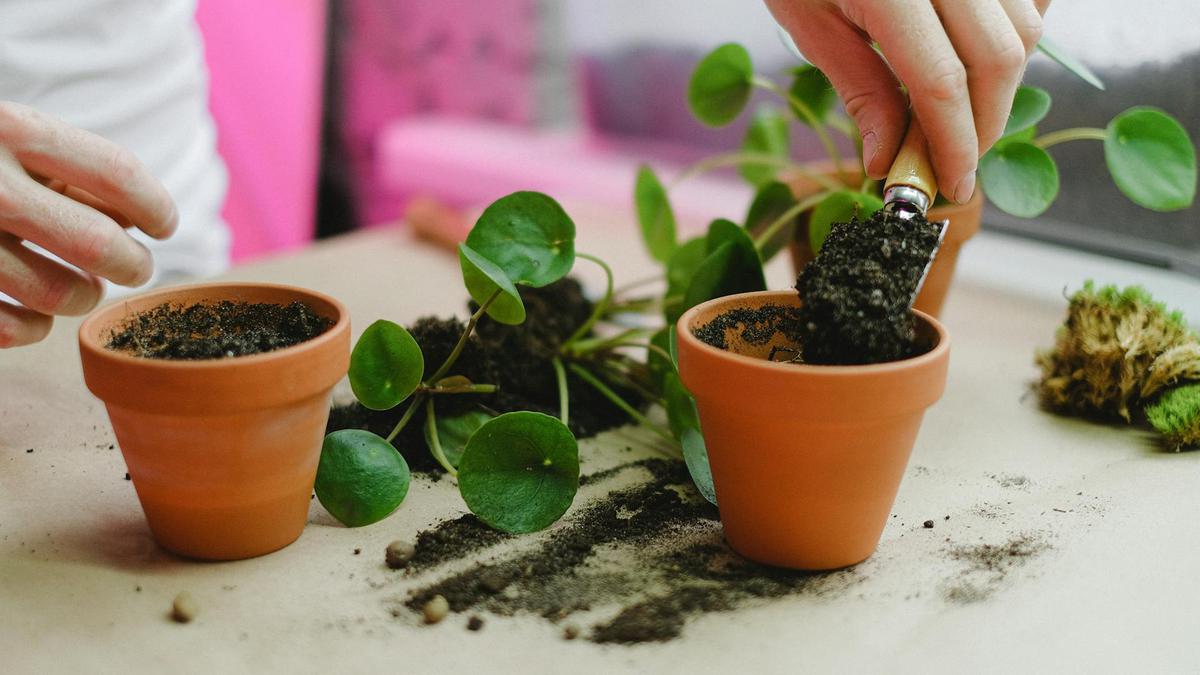
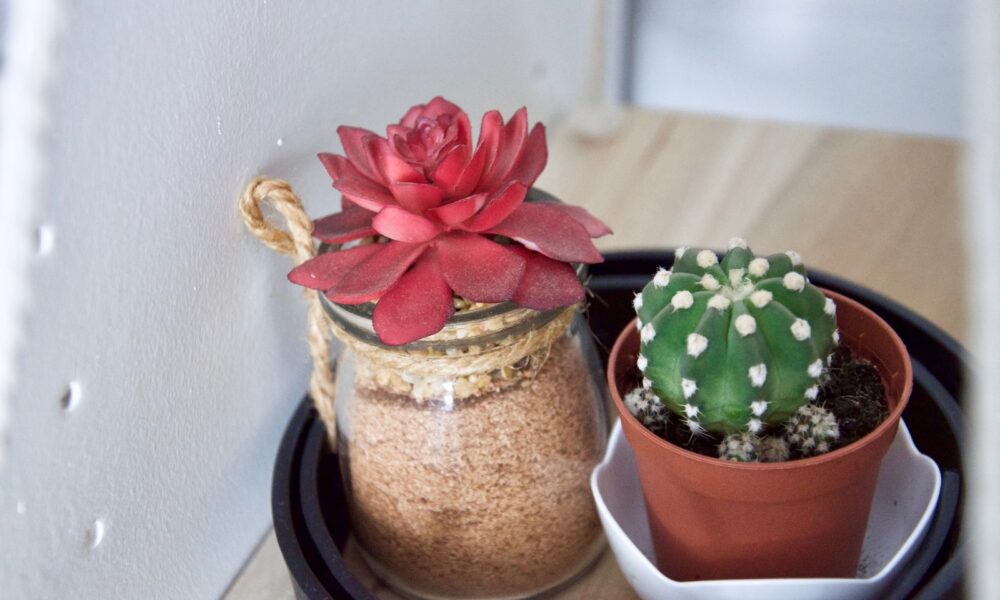
Terracotta pots have long been celebrated in the succulent community. Their porous nature allows water to evaporate efficiently, preventing the dreaded root rot that haunts many cactus cultivators. These pots breathe, offering a delicate interplay between moisture retention and drainage—essential for replicating the cactus’s native arid surroundings. Moreover, their earthy hues and rustic texture seamlessly complement a cactus’s natural aesthetic, enhancing the overall visual narrative.

Ceramic Pots: Decorative Yet Demanding
Ceramic pots offer a refined, polished appearance and come glazed or unglazed. Glazed ceramics, while stunning, often hinder evaporation due to their sealed surfaces. Consequently, they tend to retain water longer, which may not suit all cactus varieties unless watering is meticulously controlled. Unglazed ceramics, however, provide a middle ground but still require careful attention to drainage holes.
Plastic Pots: Practical and Lightweight
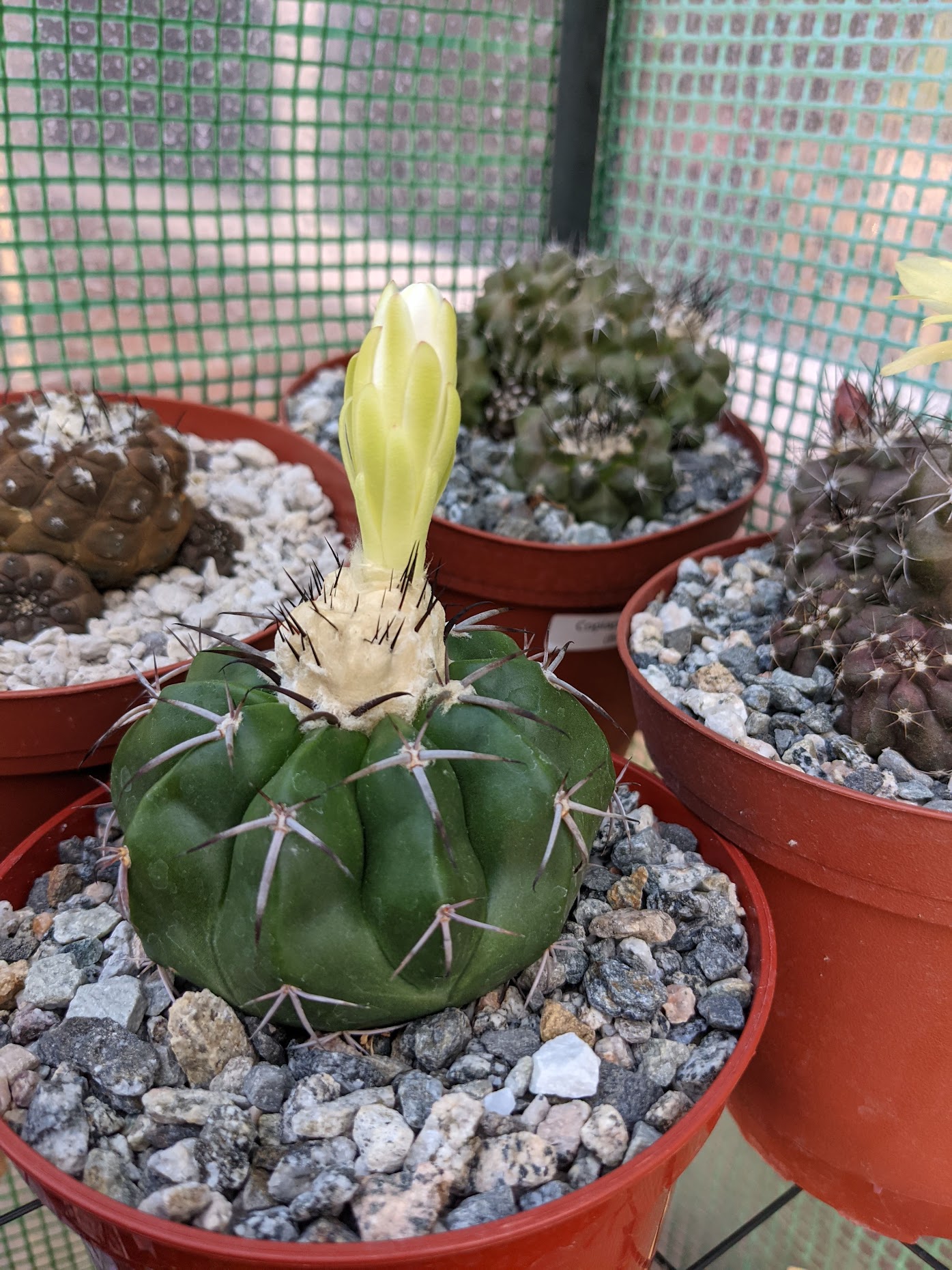
Plastic containers, though less romantic, are practical for many growers. They retain moisture longer and prevent rapid drying, which can be beneficial in extremely dry climates or indoor environments with low humidity. Their lightweight nature makes repotting easier and they are often more economical. However, plastic pots lack breathability and can lead to water accumulation if drainage is insufficient, making regular monitoring imperative.
Concrete and Stone: The Modern Minimalists
Concrete and stone pots bring an architectural gravitas to cactus display. Their sturdiness and thermal inertia protect roots from temperature fluctuations. Yet, these materials are generally non-porous, demanding precise watering regimes. Overwatering in such pots can be catastrophic, but when paired with an excellent drainage system, they craft a striking contemporary tableau for cactus enthusiasts.
Size Matters: Finding the Perfect Pot Dimension
While materials play their part, the dimensional harmony between pot and cactus is equally pivotal. Choosing an appropriate pot size balances growth encouragement with stabilization and root health.
Shallow Pots: Emulating Desert Shallows
Many cactus species naturally develop shallow, wide root systems designed for rapid absorption of surface moisture. Shallow pots mimic these desert soils, preventing deep water retention and encouraging a healthy aerial root system. Such containers also mitigate the risk of overwatering, which can be a silent killer for cacti.
Deep Pots: For Species with Taproots
Some cacti develop extensive taproots, necessitating deeper pots to provide ample room for root expansion. These deeper containers foster robust growth and reduce transplant shock by accommodating the plant’s natural inclination. Nonetheless, they require careful watering schedules to avoid moisture lingering too long in the root zone.
Diameter Considerations: Stability Versus Space
The pot’s width must reflect the cactus’s growth pattern and size. A broader base stabilizes top-heavy, branching cacti, preventing toppling. Conversely, over-sized pots can hold excess soil moisture, amplifying fungal risks. Thoughtful diameter selection thus becomes a nuanced art, balancing stability and soil health.
The Aesthetic Influence: Harmonizing Form and Function
Beyond botanical concerns, pots serve as a canvas for creative expression. The best cactus pot transcends functionality, becoming an integral component of interior or exterior décor. A contrast between a cactus’s jagged textures and a smooth ceramic pot creates visual intrigue. Meanwhile, a rustic terracotta container can evoke naturalistic landscapes, seamlessly integrating with minimalist or bohemian styles.

Color, texture, and finish enable plant lovers to tailor their arrangements, reflecting personal tastes and the surrounding environment. Matte, glossy, or rough finishes can dramatically alter a cactus’s perceived vitality and charm, revealing the deep connection between container and plant.
Drainage: The Unsung Hero
An oft-overlooked aspect of pot selection, drainage holes are the quiet champions preventing water stagnation. Cacti, adapted to deserts, are intolerant of soggy roots. Regardless of material or size, pots without adequate drainage can doom even the heartiest species.
Strategically placed holes not only allow excess water to escape but also facilitate air exchange in the root zone. Some enthusiasts augment drainage by layering pots with gravel or perlite, creating an environment that mirrors the cactus’s native soil strata. These subtle practices reinforce the significance of pot architecture beyond its surface appeal.
Innovations in Pot Design: Merging Technology with Tradition
Emerging trends in horticulture meld traditional designs with novel materials and technologies. Self-watering pots equipped with moisture sensors optimize irrigation, mitigating human error. Breathable synthetic composites emulate terracotta’s porosity while offering enhanced durability. Biodegradable pots embody sustainability, decomposing naturally and reducing environmental footprint.
These innovations offer an exciting frontier for cactus care, marrying the ancient resilience of desert plants with cutting-edge cultivation techniques. They resolve longstanding challenges, allowing enthusiasts to experiment boldly without compromising plant health.
Concluding Thoughts: A Pot as More Than a Container
Choosing the best pots for cacti is a nuanced pursuit that intertwines horticultural science, material wisdom, and artistic sensibility. Each pot tells a story—of protection, sustenance, and aesthetic celebration. Their materials whisper secrets about moisture, air, and temperature, while their sizes cradle roots in nurturing embrace. Ultimately, the fascination with pots reflects a deeper appreciation for the resilient beauty of cacti and the environments they evoke.
When selectivity meets knowledge, a humble pot transforms into an indispensable partner in the life of a cactus—one that harmonizes form and function with silent precision, inviting wonder and admiration for these remarkable desert denizens.
FAQ
What material is best for cactus pots?
Terracotta is considered the best due to its ability to regulate moisture.
Do cactus pots need drainage?
Yes, drainage holes are crucial to prevent water stagnation and root rot.
Leave a Reply