
Short Answer
Ever wondered why some barrel cacti thrive like desert royalty while others wilt into sad, spiky puddles? The secret isn’t in a magic spell—it’s in the art of Echinocactus care. These globular giants, with their golden spines and stoic demeanor, demand more than just a sip of water and a sunny spot. They’re the divas of the cactus world, flaunting resilience but punishing neglect with dramatic flair. So, if you’re ready to transform your barrel cactus from a prickly underachiever into a thriving, spine-covered superstar, let’s dig into the nitty-gritty of keeping these desert jewels happy and healthy.
The Golden Rule: Light That Doesn’t Play Hide-and-Seek
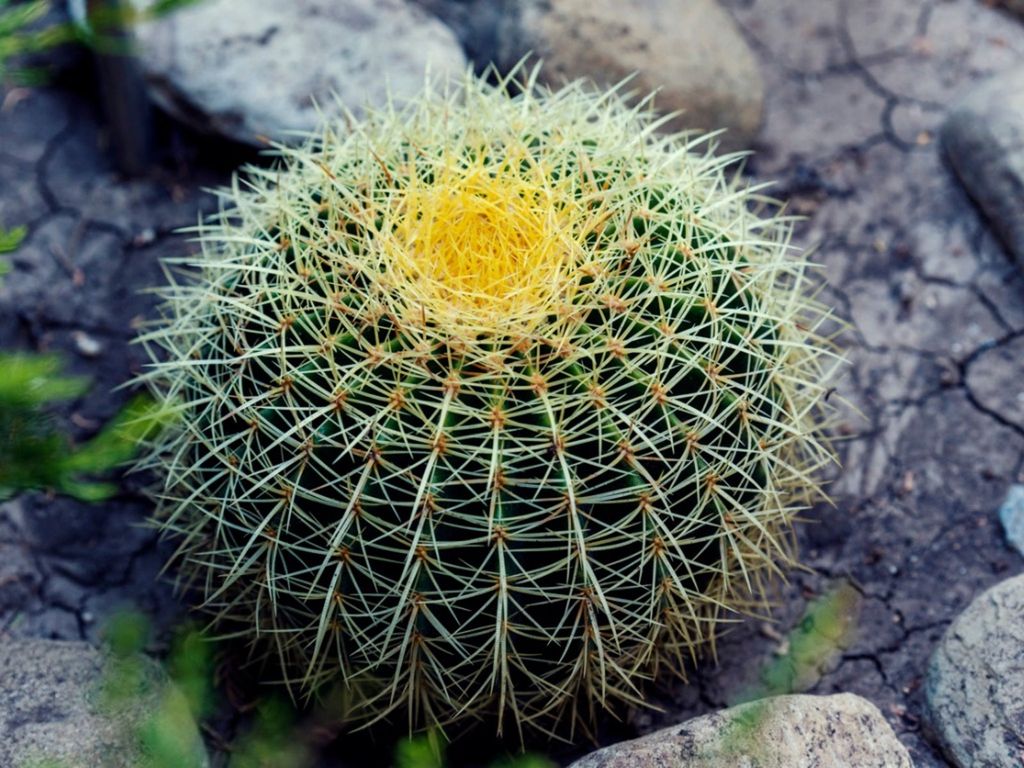
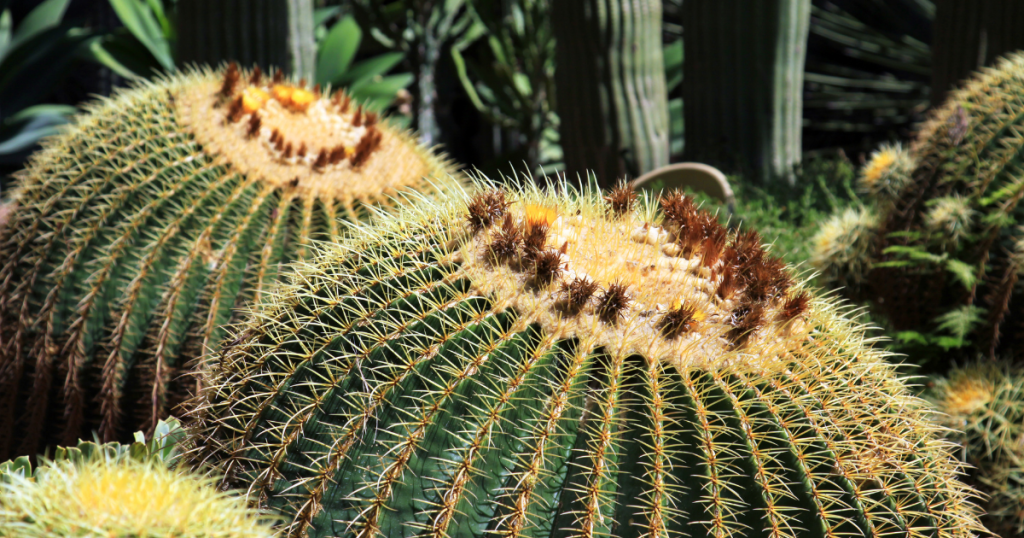
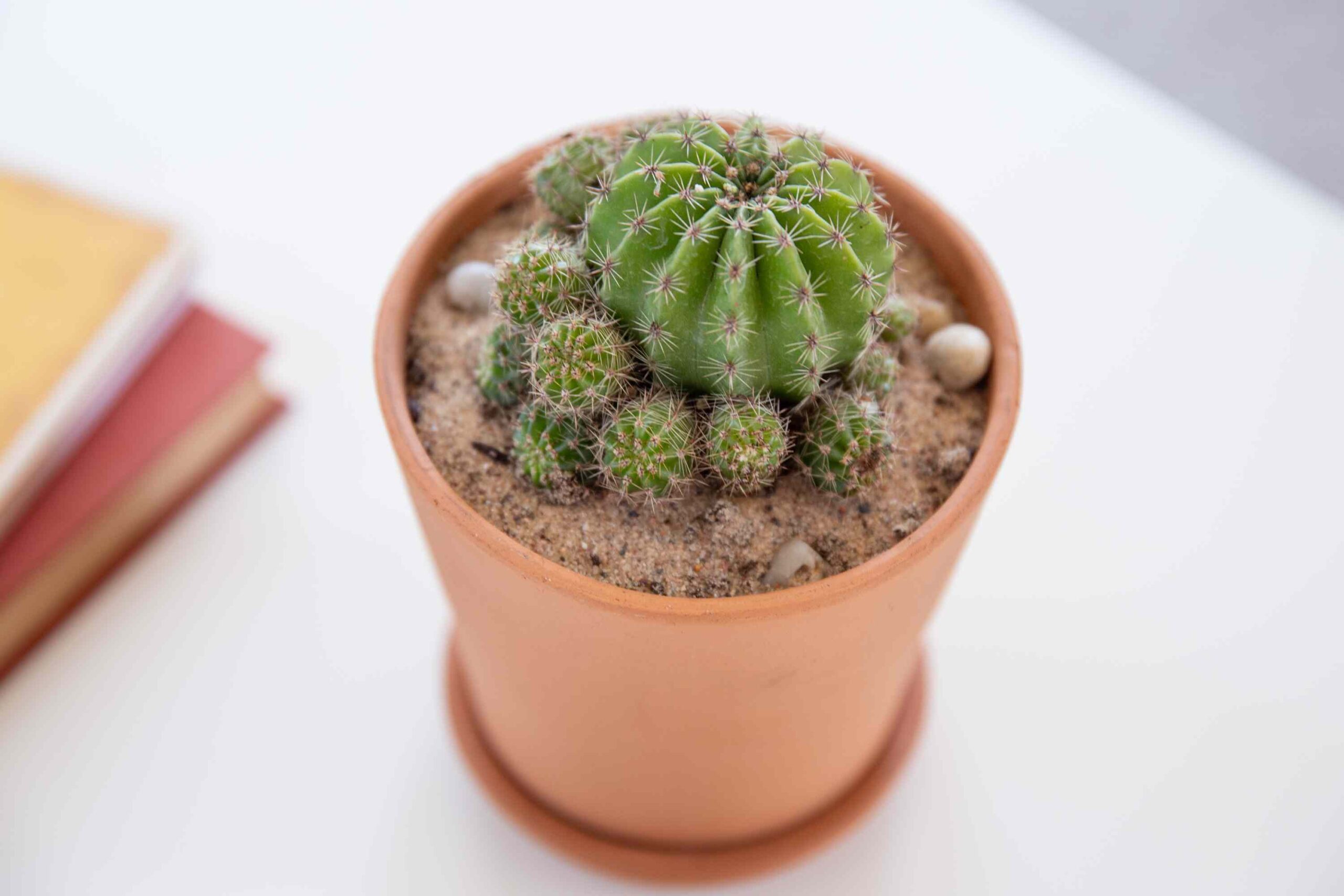
Barrel cacti, or Echinocactus grusonii, are sun-worshippers with a capital “S.” These aren’t the types to lounge in partial shade—they crave the full, unfiltered blaze of the sun, where their golden spines can gleam like polished armor. But here’s the catch: too little light turns them into etiolated, pale imitations of their former selves, stretching awkwardly toward any hint of brightness. Solution? Place them in a south-facing window or, if outdoors, in a spot where they’ll soak up at least 6-8 hours of direct sunlight daily. No excuses. If your cactus starts looking like it’s auditioning for a role in a horror movie (think leggy, weak stems), it’s begging for more light. Rotate the pot occasionally to ensure even growth—no one likes a lopsided cactus.

Watering: The Delicate Dance of Drought and Deluge
Barrel cacti are the ultimate minimalists when it comes to hydration. They’ve evolved to survive in arid landscapes where water is rarer than a polite scorpion. Overwatering is their kryptonite—it leads to root rot, a slow, soggy demise that no cactus deserves. The golden rule? Water deeply but infrequently. Wait until the soil is bone-dry before giving them a thorough soak, then let excess water drain away like a desert flash flood. In winter, when growth slows to a crawl, cut back to almost nothing. Think of it as their hibernation period—a time to rest, not hydrate. If your cactus feels squishy or starts to lean like a drunkard, you’ve overdone it. Time to dial back and let it recover.
Soil: The Unsung Hero of Spine Success
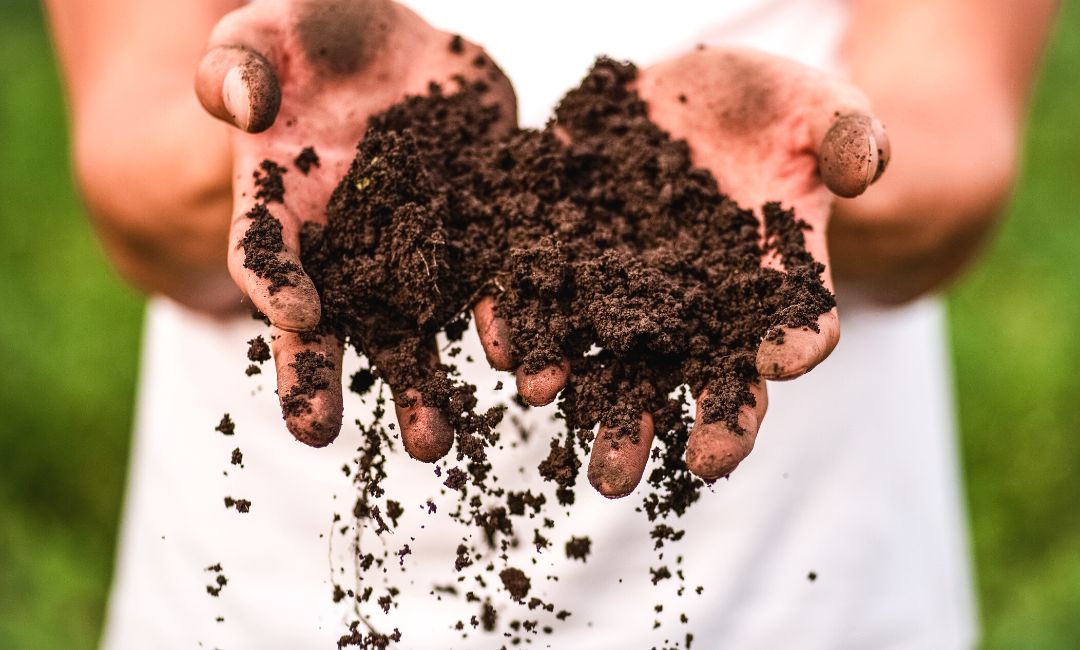
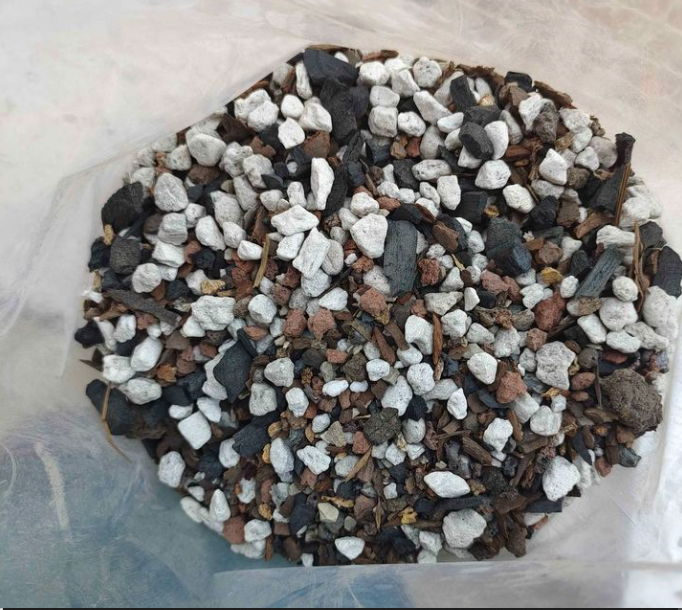
Imagine wearing a wool sweater in the Sahara. That’s your barrel cactus in the wrong soil—suffocating, damp, and utterly miserable. These cacti need a gritty, fast-draining medium that mimics their native rocky, sandy habitats. A standard potting mix won’t cut it; you’ll need to amend it with perlite, coarse sand, or pumice to ensure water zips through like a desert wind. Avoid heavy, moisture-retentive soils at all costs. If your cactus’s roots are sitting in soggy earth, they’re basically drowning in slow motion. Repot every 2-3 years or when the soil looks more like a swamp than a desert floor. Your cactus’s roots will thank you with vigorous growth.
Temperature: The Thermostat Tango
Barrel cacti are sun-lovers, but they’re not fans of extreme heat or cold snaps. They thrive in temperatures between 70-100°F (21-38°C) during the growing season, but they can handle brief dips into the 50s°F (10-15°C) at night. The real danger zone? Frost. Even a light frost can turn their spines into sad, mushy stalks. If you live in a region where temperatures plummet below 32°F (0°C), it’s time to bring your cactus indoors or provide frost protection. Conversely, scorching heat above 110°F (43°C) can cause sunburn, leaving unsightly brown patches. Shade cloth or a sheer curtain can be a cactus’s best friend during heatwaves.
Fertilizing: The Gourmet Diet for Spine-Studded Royalty
While barrel cacti aren’t exactly foodies, they do appreciate a little nutritional boost during their active growing season (spring and summer). A balanced, low-nitrogen fertilizer—think 5-10-10 or 2-7-7—applied monthly will keep them in tip-top shape. Avoid high-nitrogen fertilizers; they encourage soft, weak growth that’s prone to pests and diseases. Dilute the fertilizer to half-strength to prevent overfeeding, which can be just as harmful as neglect. Think of it as a light seasoning rather than a heavy meal. In winter, skip the fertilizer entirely—your cactus is on a diet.
Pests and Problems: The Uninvited Guests and Sneaky Saboteurs
Even the hardiest barrel cactus isn’t immune to freeloaders. Mealybugs, scale insects, and spider mites see your cactus as an all-you-can-eat buffet. These pests love to hide in the nooks and crannies of the spines, sucking the life out of your plant while you’re none the wiser. Early detection is key. Inspect your cactus regularly—especially the undersides of leaves and the base—for any signs of webbing, cottony masses, or sticky residue. If you spot an infestation, act fast. A cotton swab dipped in rubbing alcohol can dispatch mealybugs, while insecticidal soap or neem oil will send most pests packing. For stubborn cases, a systemic insecticide might be necessary, but use it sparingly. Prevention is always better than cure: keep your cactus clean, well-ventilated, and free from debris.

Repotting: The Fresh Start Your Cactus Deserves
Barrel cacti may grow slowly, but they eventually outgrow their pots. When you notice roots peeking out of the drainage holes or the cactus toppling over like a drunkard, it’s repotting time. Choose a pot that’s only slightly larger than the current one—too much space can lead to soggy soil and root rot. Gently remove the cactus, shake off the old soil, and inspect the roots for any signs of rot or pests. Trim off any mushy or blackened roots with a clean, sharp knife. Let the cactus dry out for a day or two before repotting into fresh, well-draining soil. Water lightly after repotting to settle the soil, but hold off on heavy watering for a week to avoid stressing the roots.
The Grand Finale: Patience and Observation
Caring for a barrel cactus isn’t a sprint—it’s a slow, rewarding marathon. These plants are masters of patience, growing at a glacial pace but rewarding you with decades of beauty if treated right. The key? Observe, adjust, and adapt. If your cactus looks a little lackluster, ask yourself: Is it getting enough light? Too much water? The wrong soil? Small tweaks can make a world of difference. And remember, every barrel cactus has its own personality. Some are divas, demanding perfect conditions; others are low-maintenance survivors. Get to know yours, and you’ll be rewarded with a thriving, spine-covered companion that stands the test of time.
FAQ
What light conditions do barrel cacti need?
Barrel cacti require full sunlight for at least 6-8 hours daily.
How often should I water my barrel cactus?
Water deeply but infrequently, allowing the soil to dry out completely between waterings.
What type of soil is best for barrel cacti?
A fast-draining mix, such as one amended with perlite or coarse sand, is ideal for barrel cacti.
How do I know if my cactus is overwatered?
If your cactus feels squishy or starts to lean, it may be overwatered.
FAQ
How often should I water my barrel cactus?
Water deeply but infrequently, allowing the soil to dry out completely before the next watering.
What type of soil is best for barrel cacti?
Use a fast-draining mix, ideally amended with perlite or coarse sand, to mimic their natural habitat.
What temperature range is ideal for barrel cacti?
They thrive between 70-100°F (21-38°C) during the growing season and can tolerate brief dips in the 50s°F (10-15°C).
What pests should I watch for on my barrel cactus?
Common pests include mealybugs, scale insects, and spider mites. Regular inspections can help detect infestations early.
When should I repot my barrel cactus?
Repot when roots are visible at the drainage holes or when the cactus becomes top-heavy.
FAQ
How often should I water my barrel cactus?
Water deeply but infrequently, allowing the soil to dry out completely between watering sessions.
What type of soil is best for Echinocactus?
A gritty, fast-draining soil mix is ideal, typically amended with perlite or coarse sand.
What temperature is optimal for barrel cacti?
Barrel cacti thrive in temperatures between 70-100°F (21-38°C) during the growing season.
Leave a Reply