
Short Answer
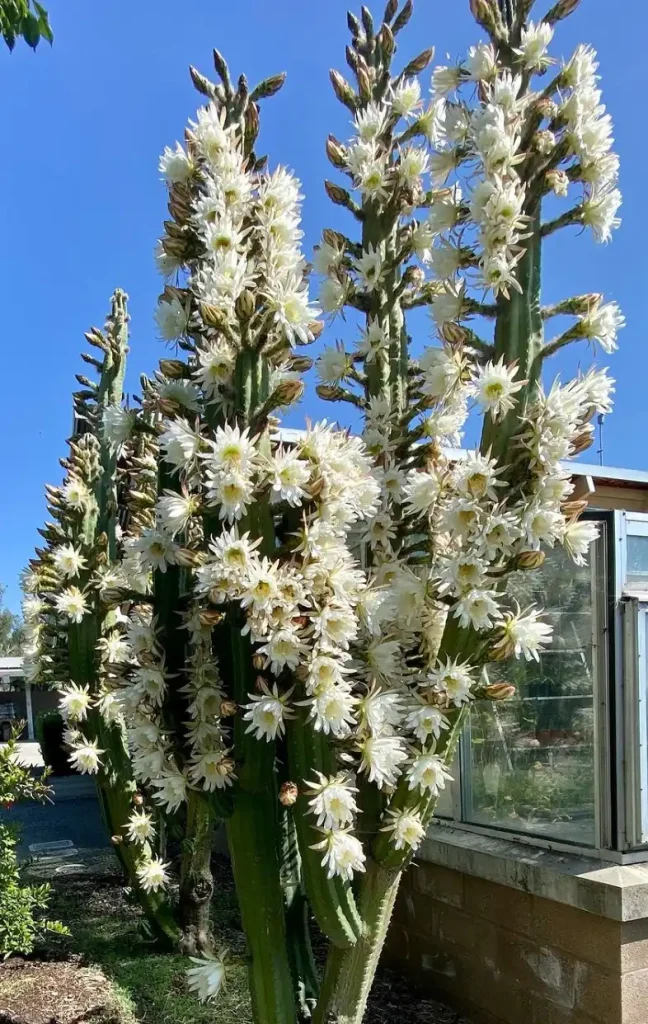
Have you ever wondered how a towering column of vibrant green manages to thrive in some of the harshest terrains on Earth? The San Pedro Cactus, with its striking stature and storied background, isn’t just a feast for the eyes—it’s a living testament to resilience. But what does it really take for this majestic cactus to grow, flourish, and command attention? Is it as straightforward as watering and sunlight, or does this desert marvel have secrets that demand a deeper understanding?
Understanding the San Pedro Cactus’ Natural Habitat
The origins of the San Pedro Cactus (Echinopsis pachanoi) lie high in the Andean mountains, primarily in Ecuador and Peru. These elevations provide cool yet intense sunlight, well-drained mineral-rich soils, and a rhythmic alternation of wet and dry seasons. Such environmental nuances sculpt the growth pattern and robust constitution of this succulent giant.
The cactus thrives in altitudes ranging from 6,000 to 9,800 feet, where oxygen levels are thinner and temperatures swing dramatically from day to night. This elevational range imbues the plant with a resilient physiology, primed for survival amid adversity. Understanding these native conditions is pivotal for enthusiasts aiming to replicate the cactus’ optimal growth environment elsewhere.
Growth Rate: Patient Persistence or Sprightly Expansion?
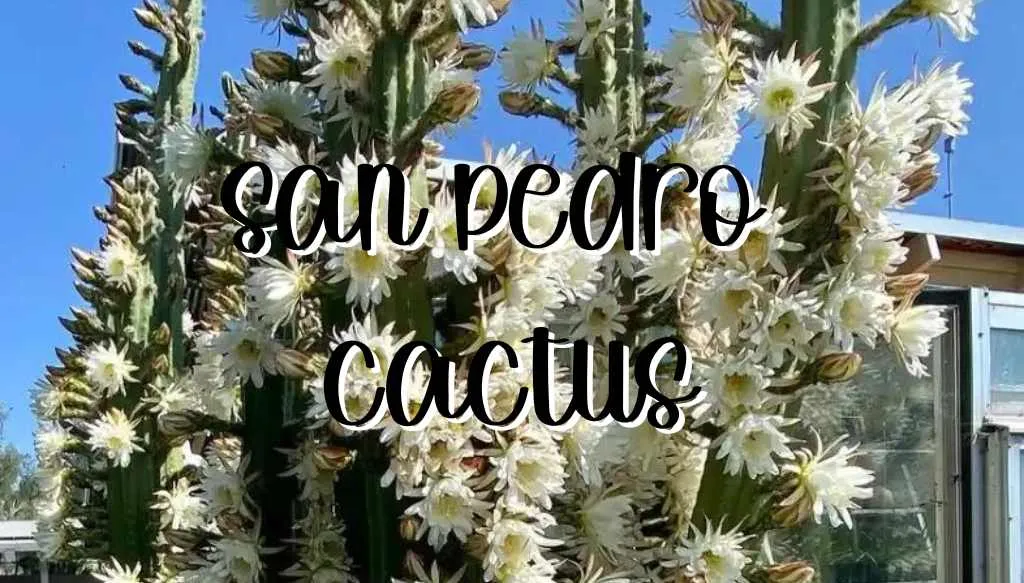
Unlike the rapid sprouting of many garden plants, the San Pedro Cactus follows a more deliberate developmental rhythm. Typically, it grows between 6 to 12 inches annually, but this cadence hinges on myriad factors such as light exposure, temperature, water availability, and soil nutrition.
The growth is accentuated during spring and summer months—periods mimicking the wet season of its native range—when the cactus practically drinks in every drop of moisture and converts sunlight with efficient photosynthesis. Then comes a dormancy phase, especially during colder months, where the cactus conserves energy rather than proliferate, a strategy vital for enduring periods of environmental stinginess.
Decoding the Secret Nutritional Needs
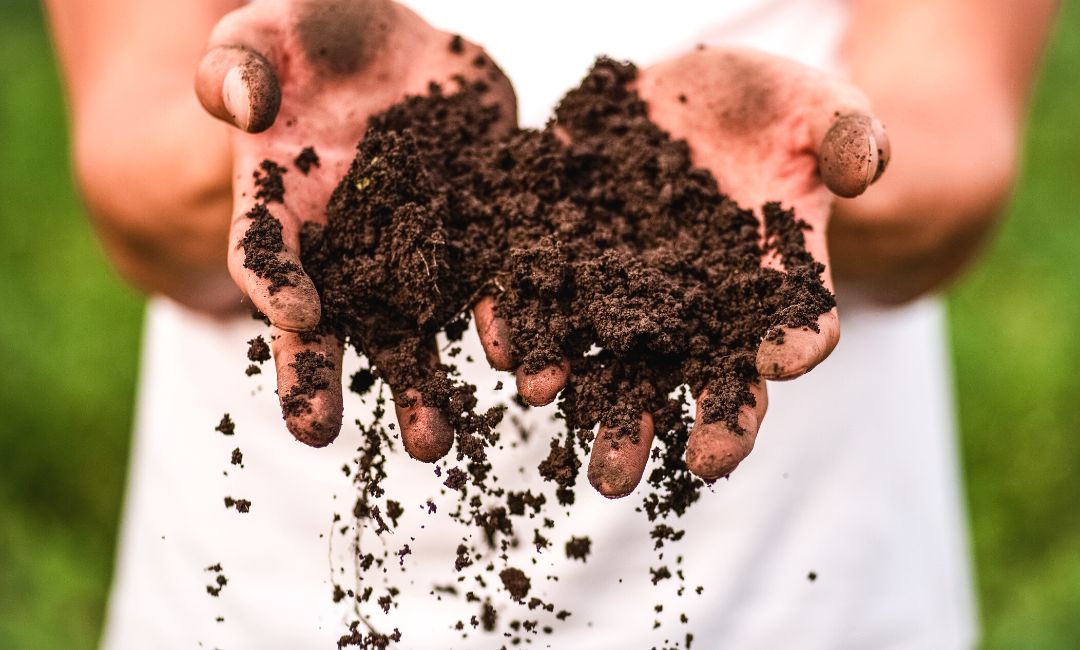
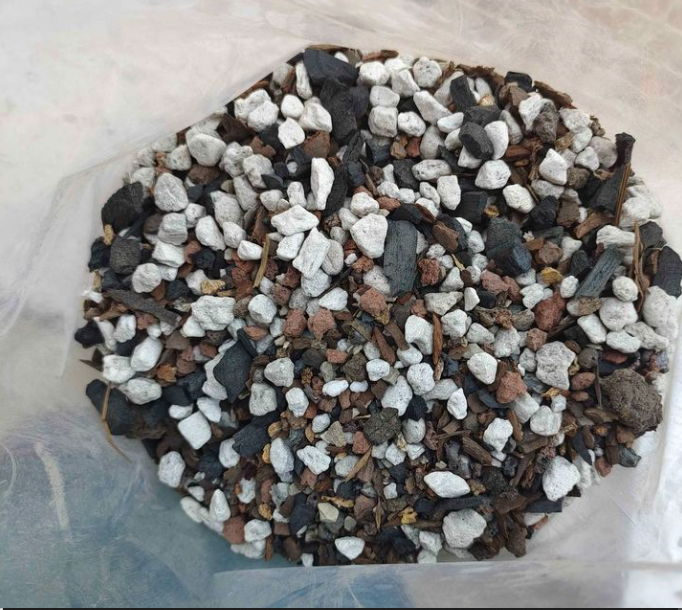
Anyone tempted to toss any garden soil onto a San Pedro will soon find that this cactus demands a specific nutritional palette. Rich in minerals yet low in organic matter, the ideal substrate dims competition from fungi and bacteria, which could be detrimental to sensitive roots. Sand, pumice, and perlite blends replicate the natural fast-draining conditions indispensable for sanative growth.
Nutrient-wise, a balanced supply of potassium, phosphorus, and nitrogen fosters cell division and elongation, while trace elements like magnesium and iron play silent yet crucial supporting roles in chlorophyll production and metabolic enzyme activation. Over-fertilizing, however, can swamp the cactus, causing root burn or unwanted rapid, weak tissue expansion.
Light: The Double-Edged Sword
If you thought “more sunlight equals better growth,” think again. The San Pedro Cactus adores bright, indirect sunlight. Direct unfiltered sun, especially in scorching summer settings, can scorch its verdant ribs, leading to bleaching or necrotic patches. On the other hand, insufficient illumination turns its vibrant green hues into dull, elongated, and unattractive spindles, a condition known as etiolation.
Striking the perfect light balance involves an observational finesse—ideally, a few morning hours of direct sunlight followed by diffused light for the remaining day. For indoor cultivation, positioning near an east or west-facing window ensures this harmony. Supplemental grow lights with the correct spectrum can compensate during shorter daylight periods, guaranteeing uninterrupted photosynthetic vigor.
Watering Nuances: Between Thirst and Drowning
Watering the San Pedro Cactus is an art of measured patience. Despite its succulent nature, overwatering is a recurring nemesis, inviting root rot that can swiftly ruin any promising growth. The cactus’ principle is hydration during active growth interspersed with ample drying intervals, mimicking its native rainy-dry cycle.
In spring and summer, when metabolic processes spike, watering once a week or when the top inch of soil feels dry is ideal. Winter calls for a stark reduction—watering once a month may suffice, if at all. Heavy clay soils or containers without drainage exacerbate moisture retention, so well-drained soils and pots with ample holes are a must-have.

Propagation and Growth: The Joy of Multiplying Giants
One of the most gratifying yet subtle challenges is propagating the San Pedro Cactus. While the plant can produce seeds, the method most enthusiasts and horticulturists prefer is vegetative propagation through cuttings. This ensures genetic fidelity and faster establishment compared to seeds that may take years to grow into sizable specimens.
Cuttings should be taken during the warmer months. After severing, the cut end must callus over for a week or two to prevent infection before planting. Once rooted, these cuttings develop roots rapidly under optimal conditions and follow the same growth cadence as mature plants. Patience remains the watchword; the initial slow phase soon gives way to vigorous vertical expansion.
Challenges in Growth: Pests, Diseases, and Environmental Stress
Despite its hearty nature, the San Pedro Cactus faces challenges that can hinder its development. Mealybugs and scale insects are notorious for sapping vital sap, weakening the structure and compromising photosynthesis. Vigilant inspection and using targeted organic pesticides can keep infestations at bay.
Disease-wise, fungal infections such as Phytophthora rot thrive in overly moist conditions, emphasizing the importance of proper watering practices and aeration. Environmental stresses like frost can crack the cactus skin, making it vulnerable, hence grown plants outside their native range should be shielded from extreme cold.
Conclusion: Embracing the Growth Journey of the San Pedro
To nurture a San Pedro Cactus is to embrace a journey of meticulous care woven with marvel and challenge. This glorious desert titan commands more than just casual attention—it invites an intimate understanding of ecology, patience, and subtle plant physiology. When the coordination of light, water, nutrients, and environment comes together, the growth is not just a botanical fact—it’s a celebration of nature’s tenacity and elegance.
So next time you gaze upon a towering San Pedro, consider the narrative of its growth—a slow, steady conquest of time, conditions, and resilience. Will you accept the challenge to cultivate such splendor in your own garden?
FAQ
What is the best soil for San Pedro Cactus?
The ideal soil for San Pedro Cactus is a well-draining mix rich in minerals, typically consisting of sand, pumice, and perlite.
How often should you water a San Pedro Cactus?
Water the San Pedro Cactus once a week during the growing season (spring and summer) and reduce to once a month in winter.
How can I propagate a San Pedro Cactus?
San Pedro Cactus can be propagated through cuttings, which should be allowed to callus over before planting in well-draining soil.
Leave a Reply