

Short Answer
In the vast desertscapes of Hollywood storytelling, few natural elements have stood out as memorably as the humble cactus. More than just a prickly plant, the cactus has evolved into a potent symbol woven deeply into the fabric of pop culture—especially in movies. Its rugged silhouette and resilient nature make it a visual and thematic mainstay, evoking everything from solitude and survival to mystery and surrealism. Exploring the cactus in cinema reveals a fascinating intersection of nature and narrative, where these enigmatic plants transcend their botanical origins to become icons of symbolic storytelling.
The Cactus as a Symbol of Survival and Resilience
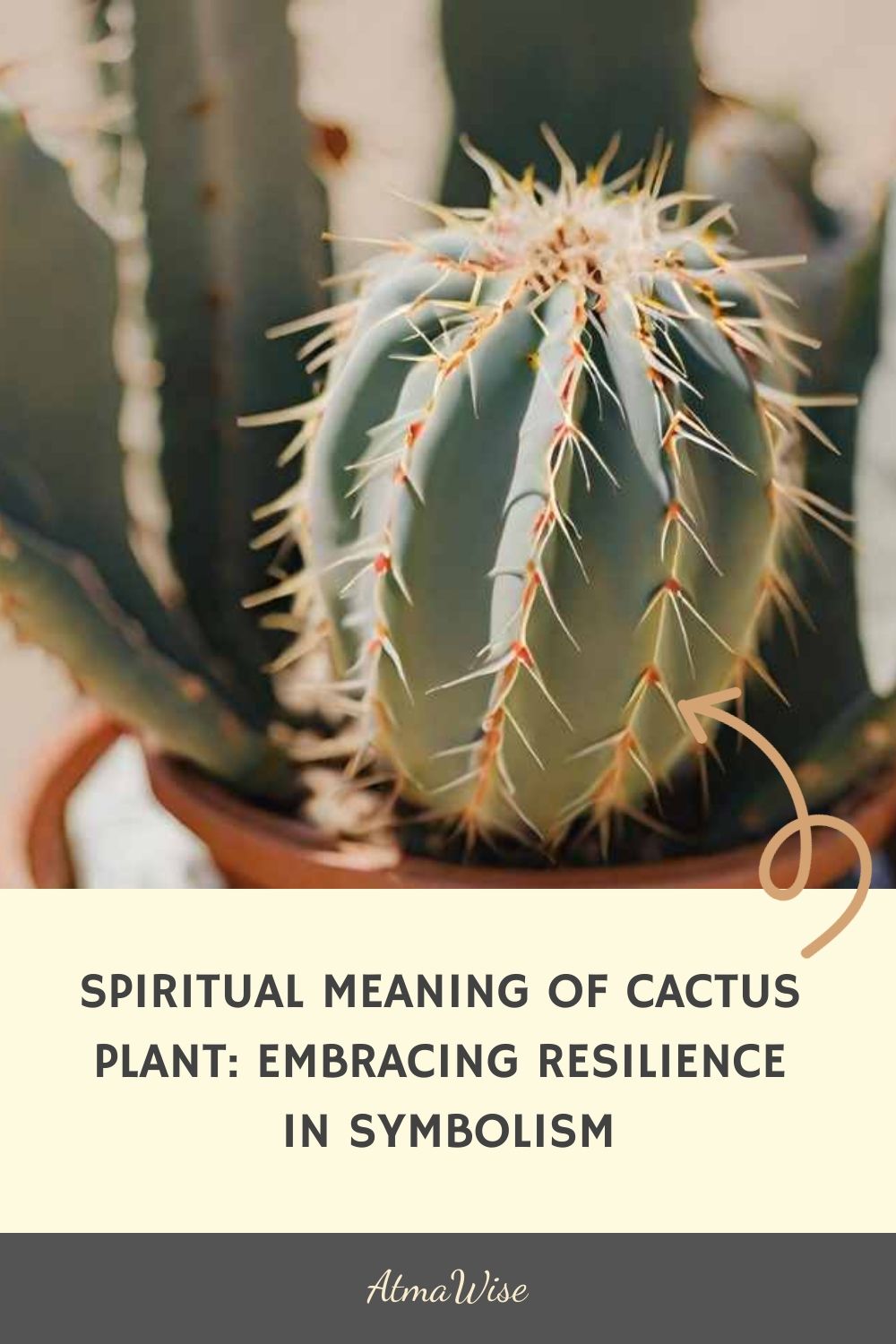
The portrayal of cacti in films often mirrors their real-world endurance against harsh environments. With their capacity to thrive in arid deserts and unforgiving landscapes, cacti embody resilience and adaptability—qualities filmmakers use to underscore characters’ struggles and triumphs. Often, a solitary cactus standing amid a barren wasteland sets the stage for tales of perseverance, evoking silent testimony to hardship overcome.

Movies like Westerns or post-apocalyptic dramas leverage these associations, using cactus imagery to amplify themes of isolation or hope. Their thorny exterior represents protection and defense, while their survival points to underlying strength. This multi-faceted symbolism gives filmmakers a nuanced tool to enrich narrative layers subtly yet powerfully.
Cacti in Western and Desert Genres: Evoking Timeless Atmospheres
Few genres feature cacti as prominently as Westerns. The American Southwest’s iconic visuals would be incomplete without these towering, spiny plants punctuating the horizon. Films steeped in the lore of cowboys, outlaws, and frontier justice use cacti to provide authenticity and mood.

Their presence is not only geographical but atmospheric—the cactus conjures images of blazing sun, parched earth, and stark beauty. Cinematographers often frame cacti in golden hour lighting to heighten this effect, serving as a silent witness to duels, chases, and contemplative moments alike. Beyond mere backdrop, cacti become emblematic of the wild west spirit—a staple that empowers the narrative framework and grounds it in time and place.
Surreal and Fantastical Uses: Cacti Beyond the Desert
Beyond realism, filmmakers have embraced cacti for their bizarre and sometimes whimsical form, integrating them into surreal or fantastical sequences. Their exaggerated shapes and alien-like appearance make them perfect elements to evoke otherworldly, dreamlike environments.

Animated films, science fiction, and fantasy genres often use imaginative cactus interpretations to create immersive worlds that defy conventional logic. Enormous cacti with pulsating colors or uncanny anthropomorphic qualities serve as narrative devices to challenge audience perceptions and heighten visual storytelling. This creative repurposing underlines the cactus’s versatility as a symbol that transcends its natural habitat.
The Cactus as a Character and Cultural Icon
Moving beyond scenery, some movies anthropomorphize cacti or position them as cultural icons within the story. Animated and family films frequently use cacti characters to introduce humor, wisdom, or emotional depth. Through expressive features and playful interactions, these cactus characters become endearing symbols of tenacity and uniqueness.
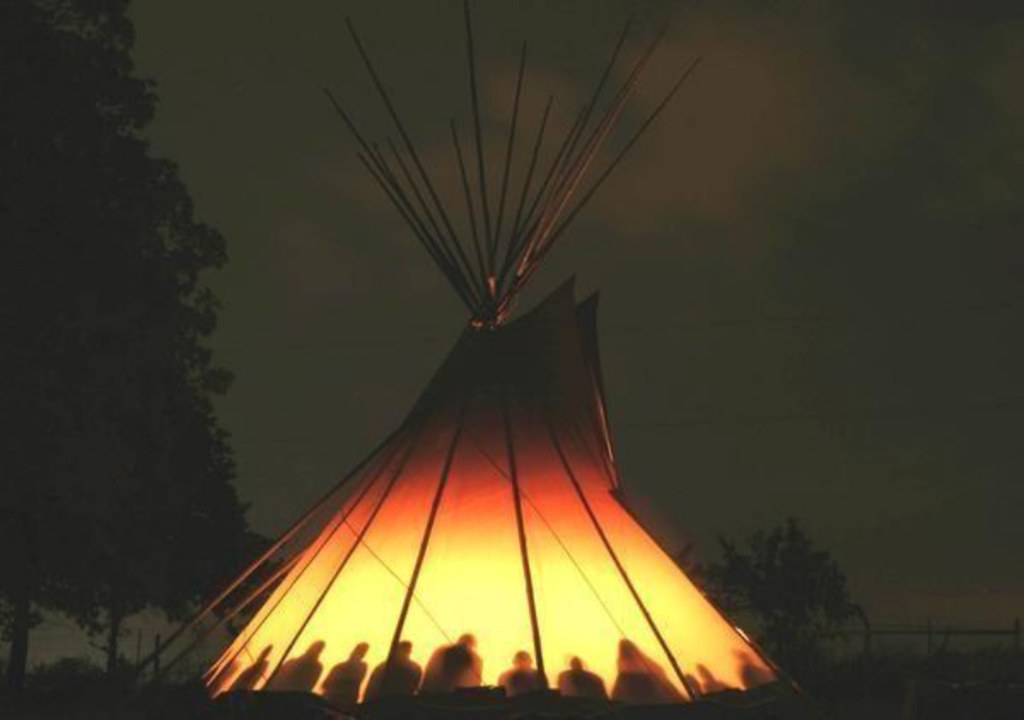
In other cases, the cactus reflects specific cultural narratives, particularly those rooted in Indigenous heritage or Southwestern traditions. Films exploring Native American stories or desert dwellers’ lifestyles incorporate cacti to emphasize respect for nature and the enduring connection between people and land.
The Visual and Mythical Imprint of Cacti in Cinematic History
Cacti have etched an indelible mark on cinematic history, contributing to the mythologizing of desert landscapes and their inhabitants. Their distinctive shapes create strong, memorable compositions that linger long after the credits roll. Whether arrayed in vast deserts, edging small towns, or looming in eerie silence, cacti have helped define multiple cinematic eras—from classic Westerns of the early twentieth century to contemporary blockbusters that reimagine the desert’s mystique.
Their symbolic power draws heavily on broader cultural narratives—themes of survival, danger, protection, and mystery. This deep well of metaphor allows directors and screenwriters to tap into shared understandings and challenge viewers’ interpretations simultaneously.
Conclusion: Desert Flora as a Cinematic Muse
Encapsulating grit, mystery, and stark beauty, the cactus remains a compelling cinematic muse. Its role in pop culture movies extends far beyond mere decoration. It acts as a beacon of countless thematic currents—survival, solitude, cultural identity, and the fantastical. As filmmakers continue to delve into diverse storytelling realms, the cactus’s silhouette will continue to punctuate the silver screen, reminding audiences of the deserts’ silent tales and the resilient spirit embodied in these stoic plants.
FAQ
What do cacti symbolize in movies?
Cacti often symbolize survival and resilience, reflecting characters’ struggles and triumphs in harsh environments.
In which movie genres are cacti most commonly featured?
Cacti are prominently featured in Westerns and post-apocalyptic films, where they enhance themes of isolation and survival.


Leave a Reply