
Short Answer
Step into a realm where arid landscapes transform into mesmerizing tapestries of life—welcome to the enchanting world of cactus and succulent garden layouts. These distinctive plants beckon us to rethink traditional gardening norms, challenging us to embrace creativity, resilience, and understated elegance. Beyond their drought-resistant charm lies a universe of design potential that promises to captivate and inspire, shifting perspectives on what a garden can truly embody.
Embracing the Sculptural Elegance of Succulents and Cacti
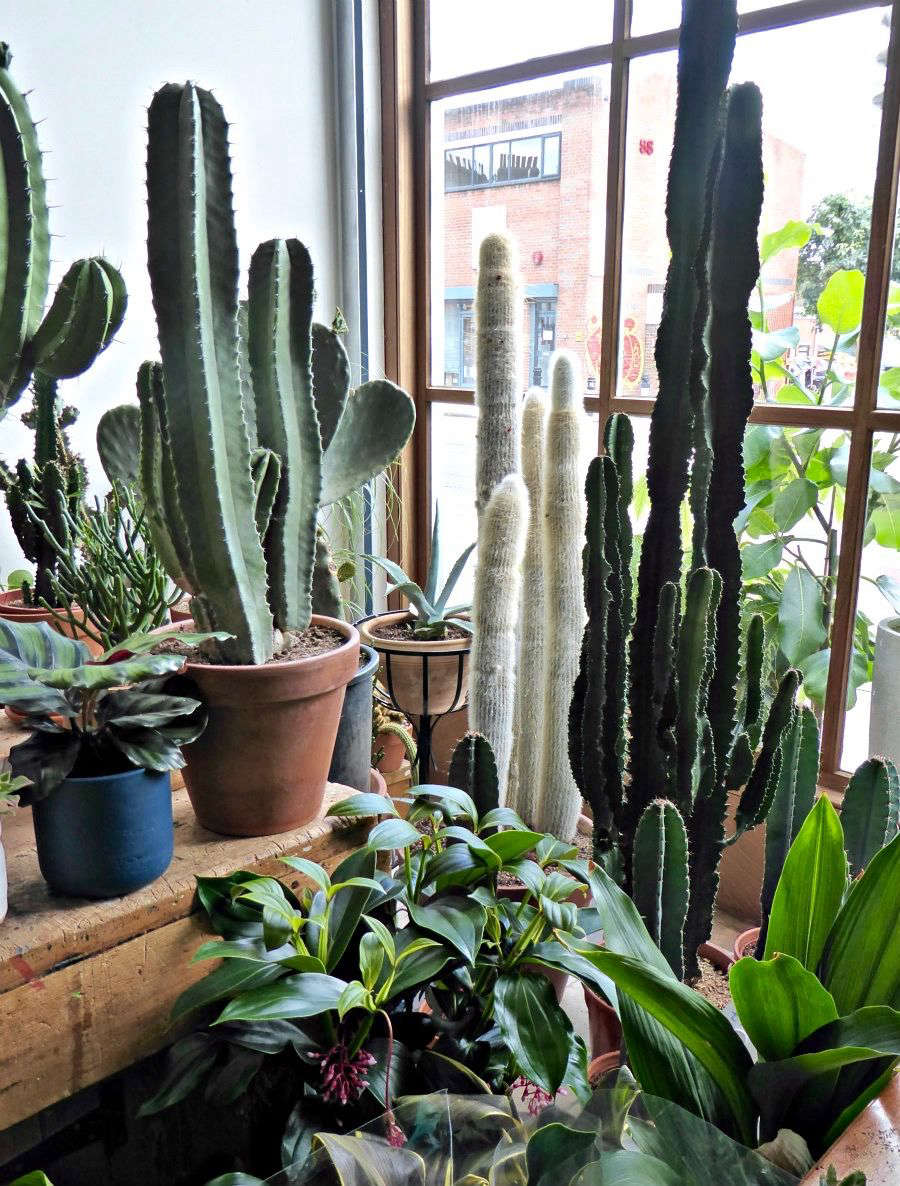
Succulents and cacti possess an innate, sculptural allure that elevates any garden into a living gallery. Their diverse forms—from rosette patterns resembling intricate origami to towering columnar cacti resembling ancient sentinels—offer a stunning array of textures and shapes to experiment with. This botanical variety encourages gardeners to think three-dimensionally, layering height, and depth to engender a dynamic spatial narrative.

Incorporating architectural elements by pairing cacti with succulents of varying heights—spiky agaves juxtaposed with low-lying echeverias—injects rhythm into your garden scheme. The juxtaposition heightens visual intrigue, creating an interplay between rigidity and softness that feels both exotic and approachable. The natural symmetry and asymmetry these plants offer compel you to reconsider the typical linear garden bed, inviting a more organic, fluid composition.
The Art of Strategic Grouping: Clusters and Contrasts
Clusters and groupings transform individual plants into vibrant communities. By strategically planting succulents and cacti in thoughtfully curated colonies, you can mimic their natural desert habitats while creating a cohesive design language. Groupings enhance not only the visual impact but also provide practical benefits, such as optimized water usage and microclimate moderation.
Consider grouping species with complementary colors and textures: the powdery blue-gray hues of blue chalk sticks against the fiery reds of kalanchoe, or the spiny green forms of barrel cacti surrounded by fleshy jade plants. These curated contrasts captivate the eye and embed depth within the garden’s canvas. This method challenges the notion that plantings must be uniform; instead, it celebrates diversity as a virtue.
Innovative Layouts: From Zen to Wild and Whimsical
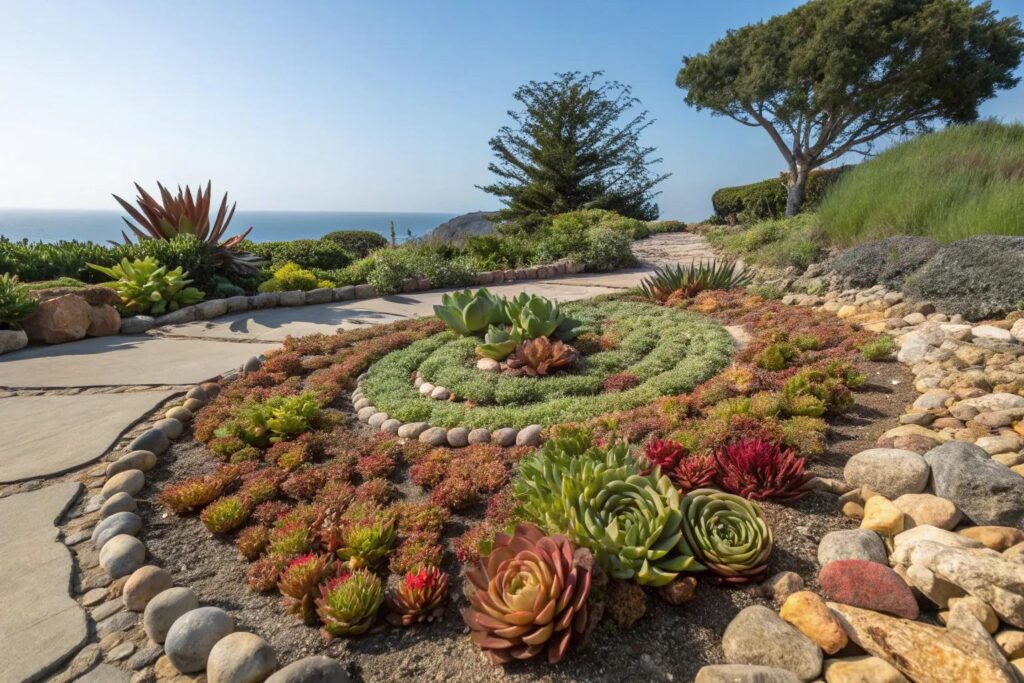
The versatility of cactus and succulent gardens is reflected in the plethora of layout possibilities. Whether embracing minimalist Zen-inspired simplicity or wild, whimsical sprawl, these plants adapt with grace. Zen gardens, for instance, utilize negative space, emphasizing the serene presence of each specimen. Gravel beds and river rocks enhance this meditative atmosphere, inviting quiet reflection alongside natural beauty.
Contrast this with a more exuberant layout: winding paths bordered by succulents morph the garden into an adventurous maze. Incorporate quirky containers, vintage pottery, and even found objects to infuse personality and character. This approach encourages a playful spirit, reminding us that gardens are as much about expression as cultivation. The fusion of nature and artistry here triggers imagination, beckoning visitors to explore and discover hidden gems.
Integrating Hardscape Elements to Anchor Your Design
Hardscape components serve as essential anchors, grounding your succulent and cactus sanctuary in permanence and structure. Natural stones, weathered wood, and textured ceramics create tactile contrasts with the plants’ supple, often glossy surfaces. These elements define walkways, create raised beds, or form low retaining walls that delineate distinct planting zones while harmonizing with the organic aesthetic.
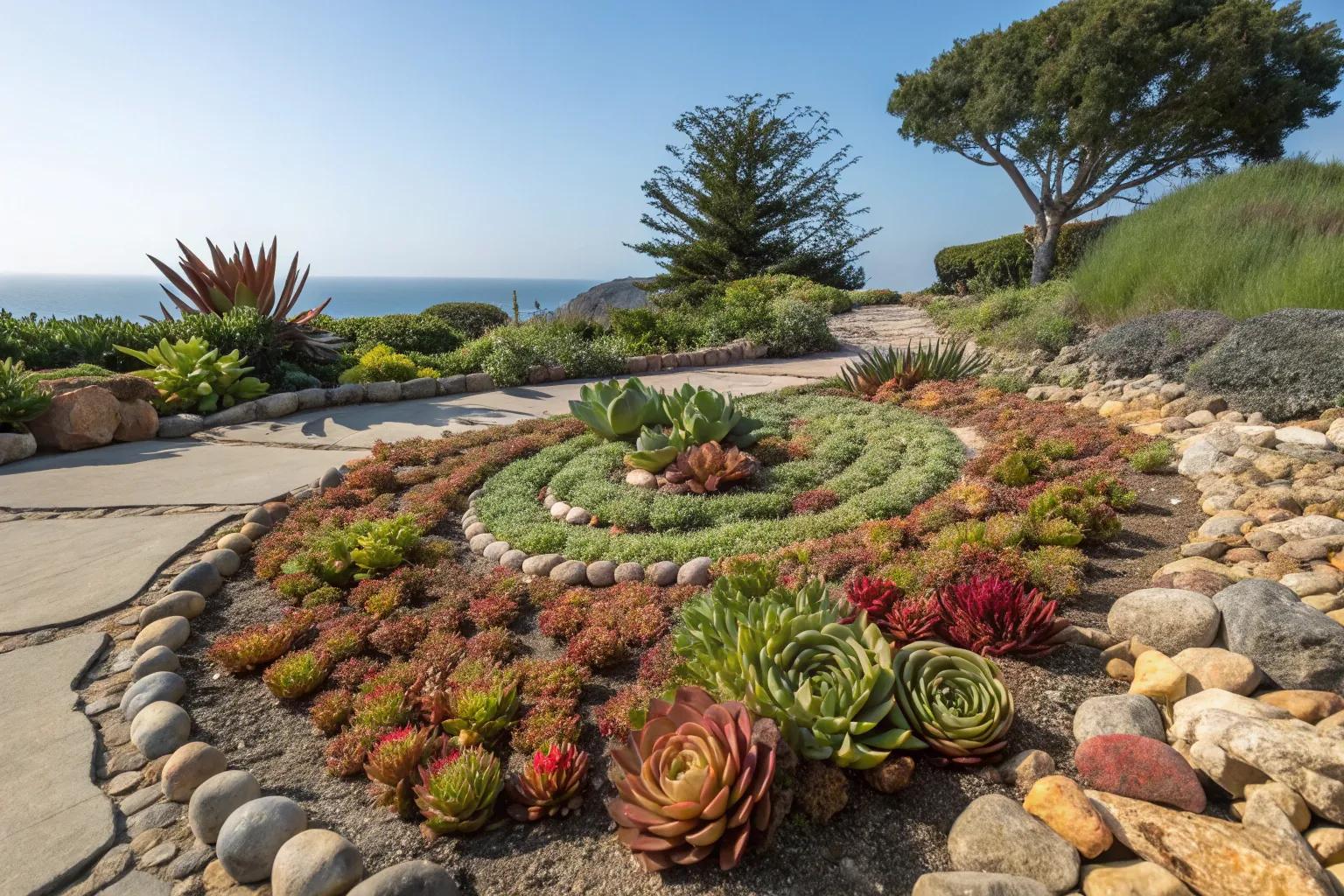
Layering these materials strategically not only enhances visual interest but also addresses practical concerns, such as drainage and soil retention. Incorporating sloped rock formations or sculptural arrangements encourages water flow, essential for the well-being of drought-tolerant plants. Hardscaping thus transcends mere decoration, becoming a silent partner that nurtures as much as it beautifies.
Color Play: A Symphony of Hues in Succulent Gardens
The chromatic palette of cacti and succulents defies expectations, often containing subtle gradients and unexpected bursts of color. By mixing species with variegated leaves, vibrant blooms, and dramatic spines, designers can paint a living mural that evolves with the seasons. Dusty purples, soft pinks, deep greens, and sunny yellows intermingle to create a garden that feels alive in every sense.
This chromatic diversity disrupts the monotony often associated with desert plants and challenges the assumption that drought-friendly gardening must be dull or monotone. Instead, it offers a vibrant chorus where each plant plays a unique tone, leading to composition so vivid it seems to pulse with energy and life.
Vertical Gardens and Container Mastery: Expanding Horizons
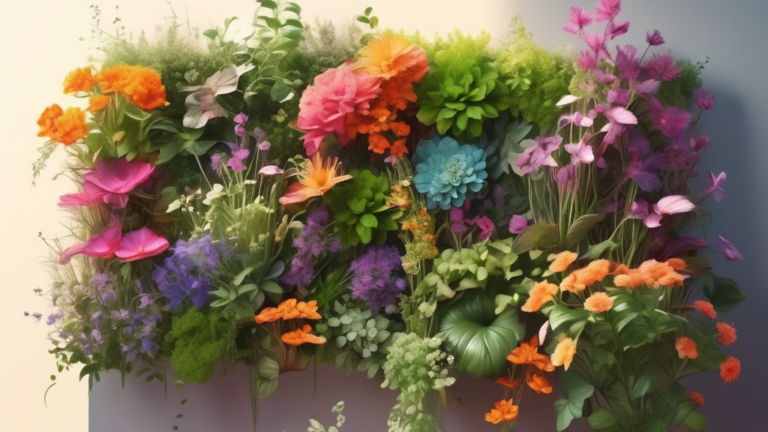
For those limited by space, vertical gardening with succulents and cacti opens thrilling possibilities. Mounted walls or trellises adorned with trailing succulents and small cacti provide a textural feast for the eyes, creating living art that redefines spatial boundaries. These installations introduce layered perspectives and foster closer scrutiny of distinctive plant characteristics.

Container gardening further extends versatility. Utilizing eclectic pots—ranging from rustic terra cotta to sleek modern ceramics—allows for mobile vignettes that can be rearranged and reshaped. This modularity makes the garden a constantly evolving entity, reflecting changing moods and seasons while nurturing plant health through personalized care.
Sustainability and Sensory Experience: More Than Meets the Eye
At its core, cactus and succulent gardening intersects harmoniously with sustainable landscaping principles. Their innate drought tolerance, minimal fertilization needs, and resistance to pests make them ecological ambassadors for water-wise gardening. Designing with these plants encourages conscious stewardship of natural resources, blending aesthetic pleasure with environmental responsibility.
Beyond visuals, these gardens also engage the senses in subtler ways. Imagine the gentle click of spines as sunlight warms them, the faint earthy aroma after an early morning mist, and the unexpected softness of fuzzy succulents to the touch. Such multi-sensory engagement breaks the barrier between observer and environment, cultivating mindfulness and deep connection.
Conclusion: Cultivating Wonder and Reinventing Norms
Create your cactus and succulent oasis as a testament to ingenuity and patience. These plants offer more than resilience—they invite us to rethink garden design, blending art and ecology in surprising ways. Whether you opt for a meticulously ordered sanctuary or a spontaneous desert dreamscape, these gardens promise to reshape your perspective, spark curiosity, and awaken a profound appreciation for nature’s quiet marvels.
FAQ
What are the benefits of a cactus and succulent garden?
They require less water, offer unique aesthetic appeal, and promote sustainable gardening practices.
Can succulents and cacti thrive in small spaces?
Yes, vertical gardening and container gardening are excellent options for small spaces.


Leave a Reply