
Short Answer
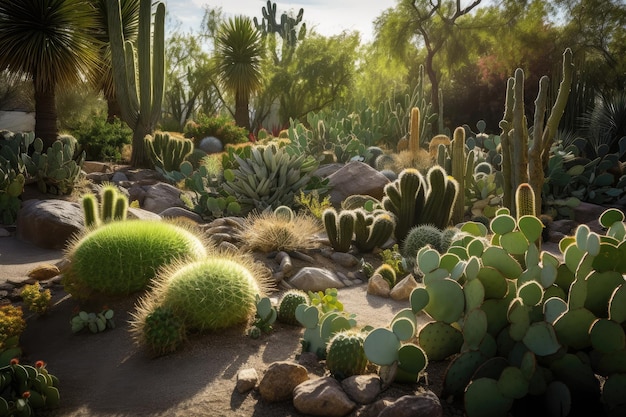
Ever stared at a cluster of cacti and thought, “This is great, but where’s the drama?” Desert landscapes aren’t just about spiky sentinels standing at attention—they’re living tapestries of texture, color, and unexpected harmony. The real magic happens when you invite other desert plants to the party, transforming a prickly solo act into a full-blown botanical symphony. But how do you blend these plants without creating a visual cacophony? Let’s dig in.
The Art of Desert Layering: Why It Works
Desert ecosystems thrive on contrast. A lone saguaro might command attention, but pair it with the undulating fronds of an agave or the feathery plumes of a desert grass, and suddenly, you’ve got depth. The key lies in emulating nature’s own design: layers. Think of it as a vertical buffet where each plant plays a role—some reach for the sky, others sprawl like ground cover, and a few tuck themselves into the middle, filling gaps with quiet elegance. This isn’t just about aesthetics; it’s about resilience. A well-layered desert garden mimics the resilience of wild landscapes, where plants support each other through shared resources and microclimates.
But here’s the twist: not all desert plants are created equal. Some are sun-worshippers, others shade-seekers. Some spread aggressively, while others cling to life in the harshest conditions. The challenge? Balancing these personalities so your garden doesn’t devolve into a botanical brawl. The solution? Start with a vision. Sketch your space, noting sunlight patterns, soil drainage, and wind exposure. Then, curate your cast of characters like a director blocking a scene.

Choosing Your Desert Co-Stars: The Supporting Cast
Not all desert plants are showstoppers, but every one has a role to play. Let’s meet the ensemble:
Agaves: The dramatic divas of the desert. With their rosette shapes and bold silhouettes, they command attention. Plant them as focal points or use their architectural forms to anchor a composition. Varieties like Agave ‘Blue Glow’ or Agave ‘Victoria Regina’ add a touch of frost-blue elegance.
Yuccas: The rugged individualists. Their sword-like leaves and towering flower spikes bring height and movement. Yucca filamentosa, with its curly white threads, softens the sharp edges of cacti, while Yucca brevifolia (the Joshua tree) adds a sculptural, almost otherworldly presence.
Desert Grasses: The unsung heroes. Plants like Muhlenbergia rigens (deer grass) or Bouteloua gracilis (blue grama) sway gently in the breeze, adding rhythm and texture. Their feathery plumes contrast beautifully with the rigid spines of cacti, creating a dynamic interplay of soft and hard.
Succulents: The crowd-pleasers. Echeverias, sedums, and sempervivums spill over edges or nestle between rocks, filling gaps with lush, low-growing foliage. Their rosettes and trailing habits soften the starkness of cacti while adding pops of color.
Wildflowers: The surprise guests. Annuals like desert marigolds or perennials like penstemons burst into color seasonally, injecting life and spontaneity into the scene. They’re the fireworks of the desert garden—unpredictable, vibrant, and fleeting.
The trick? Mix textures and forms. Pair a spiky cactus with a smooth, rounded agave. Let a yucca’s verticality frame a sprawling ground cover. The goal is to create a garden that feels like it’s been there for centuries, not just planted last weekend.

Color Palette: Painting with Desert Hues
Deserts aren’t just beige and brown—they’re a symphony of earthy tones, from the dusty rose of a blooming ocotillo to the deep emerald of a healthy mesquite. To create a cohesive look, limit your palette to 3-5 dominant colors. Start with the cacti: their greens, blues, and silvers will set the tone. Then, weave in accent plants with complementary hues. For example:
Cool Tones: Pair blue-green agaves with silvery-leaved senecios or dusty miller. The contrast is subtle but striking, evoking the misty mountains of the high desert.
Warm Accents: Introduce reds and oranges with plants like Aloe ‘Christmas Carol’ or Kalanchoe luciae. These fiery tones pop against the muted backdrop of cacti and grasses, mimicking the golden hues of a desert sunset.
Monochromatic Magic: For a minimalist look, stick to variations of green. A mix of dark green cacti with lighter-hued succulents creates a soothing, modern vibe. Add a single bold element—a red ocotillo flower spike, for instance—to break the monotony.
Don’t forget about foliage texture. A plant with variegated leaves, like a variegated aloe, can add visual interest without relying on color alone. The goal is to create a garden that feels like a living painting, where every plant contributes to the overall composition.
Structural Genius: Playing with Height and Form
Desert gardens thrive on vertical drama. To achieve this, think in layers:
The Canopy Layer: Tall cacti like saguaros or cardons (Pachycereus pringlei) form the backbone of your garden. These giants can reach heights of 40 feet or more, casting dappled shade below. Place them at the back of your garden or as standalone specimens.
The Mid-Layer: Here’s where your agaves, yuccas, and larger succulents shine. Plants like Agave americana or Yucca rostrata add bulk and structure, bridging the gap between towering cacti and low-growing ground covers.
The Understory: This is the realm of grasses, small succulents, and wildflowers. Plants like Dasylirion wheeleri (desert spoon) or Delosperma cooperi (ice plant) spill over rocks or edges, softening the hard lines of larger plants.
The Ground Cover: Mosses, creeping sedums, or even a low-growing thyme can fill in bare spots, preventing erosion and adding a lush, carpet-like effect.
The key is to stagger heights so that no single layer dominates. Imagine a staircase—each step leads naturally to the next, creating a sense of flow. Avoid planting in straight lines; instead, cluster plants in odd-numbered groups (3, 5, or 7) for a more organic feel.

The Soil and the Stage: Setting the Foundation
No matter how carefully you curate your plants, they won’t thrive without the right stage. Desert soils are often poor in organic matter but rich in minerals. To mimic natural conditions:
Drainage is Non-Negotiable: Desert plants despise soggy roots. Amend heavy clay soils with coarse sand, pumice, or gravel to improve drainage. For sandy soils, add a bit of compost to retain moisture without suffocating roots.
Mulch with Purpose: Use gravel, decomposed granite, or even crushed stone to mulch around plants. This not only conserves moisture but also reflects heat back onto the plants, creating a microclimate that mimics the desert floor. Avoid organic mulches like bark, which can retain too much moisture.
Rocks as Props: Scatter rocks of varying sizes throughout your garden. They act as natural mulch, suppress weeds, and add visual weight. Place larger rocks near the base of taller plants to anchor them, and use smaller stones to create pathways or define planting areas.
Remember, the soil isn’t just a medium—it’s part of the performance. A well-prepared bed sets the tone for a garden that looks like it’s been there for decades.
Maintenance: The Unsung Hero of Desert Elegance
Even the most meticulously designed desert garden requires a bit of upkeep to maintain its natural charm. Here’s what to keep in mind:
Watering Wisely: Overwatering is the fastest way to kill desert plants. Water deeply but infrequently—once every 2-4 weeks for established plants, less for succulents. During the hottest months, water early in the morning to minimize evaporation.
Pruning with Precision: Remove dead or damaged fronds from yuccas and agaves to keep them looking sharp. For cacti, use tongs or thick gloves to handle spines, and prune only when necessary to maintain shape.
Weed Warfare: Weeds compete with your plants for water and nutrients. Hand-pull them regularly, or use a natural pre-emergent like corn gluten meal to prevent them from taking root.
Fertilizing Frugally: Desert plants are adapted to nutrient-poor soils. Use a slow-release, low-nitrogen fertilizer sparingly, or opt for organic amendments like compost tea.
The goal isn’t to create a high-maintenance paradise but a self-sustaining ecosystem where plants thrive with minimal intervention. Think of it as a partnership—you provide the structure, and nature does the rest.
Final Act: The Living Canvas
Combining cacti with other desert plants isn’t just about filling space—it’s about creating a living work of art. It’s about capturing the essence of the desert: resilient, diverse, and breathtakingly beautiful. So, take a step back. Observe how the light dances across the spines of a cactus at dawn. Notice how the wind rustles through the fronds of an agave. Let your garden evolve with the seasons, embracing the unexpected blooms of wildflowers or the slow unfurling of a yucca’s flower spike.
And remember, the best desert gardens aren’t planned to the last detail—they’re improvised, like a jazz musician playing off the rhythm of the land. So start small, experiment, and let nature be your guide. After all, the desert has been perfecting its look for millennia. All you have to do is join the chorus.
FAQ
What are the best plants to combine with cacti?
Consider using agaves, yuccas, desert grasses, succulents, and wildflowers to create a diverse and resilient garden.
How should I layer plants in a desert garden?
Layer taller cacti at the back, mid-sized plants like agaves in the middle, and low-growing plants in the front to create depth and interest.

Leave a Reply