
Short Answer
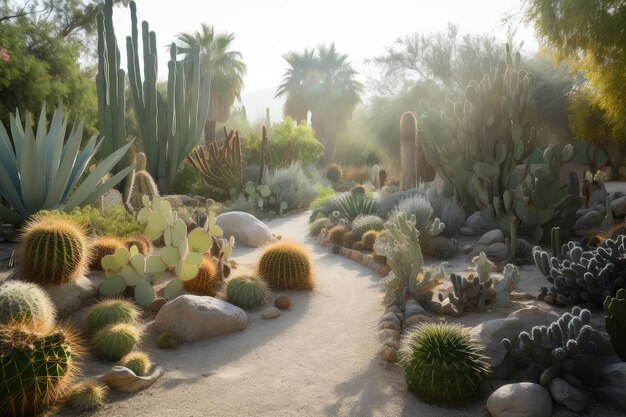
There’s an undeniable magnetism in the desert landscape, a rugged beauty that captures the imagination and invites contemplation. Cacti, with their resilient spines and sculptural forms, often take center stage in this tableau. Yet, beyond their stark silhouettes lies a wealth of possibility when paired thoughtfully with other desert flora. Combining cacti with an array of desert plants not only enriches visual interest but also reveals the intricate harmony of arid ecosystems. This fascination with desert plant pairings goes beyond mere aesthetics—it touches on nature’s adaptability and the celebration of life thriving against odds.
Understanding the Ecological Symbiosis of Desert Plants
Deserts are environments of extremes––scorching heat by day, freezing temperatures by night, and scarce water availability throughout the year. Within this austere habitat, plants have evolved unique adaptations to survive and, intriguingly, coexist. When combining cacti with other desert plants, it’s essential to appreciate the nuances of their ecological interactions. For instance, many succulents possess similar water-storage capabilities, allowing them to withstand drought together without competition draining the soil.
This mutualistic coexistence can create microclimates within your garden. Taller cacti can provide partial shade, acting as natural umbrellas for smaller, shade-tolerant plants like agaves or desert lilies. The deliberate pairing of these species harnesses nature’s own survival strategies, resulting in a garden that feels both authentic and sustainable.
Choosing Complementary Plant Textures and Forms
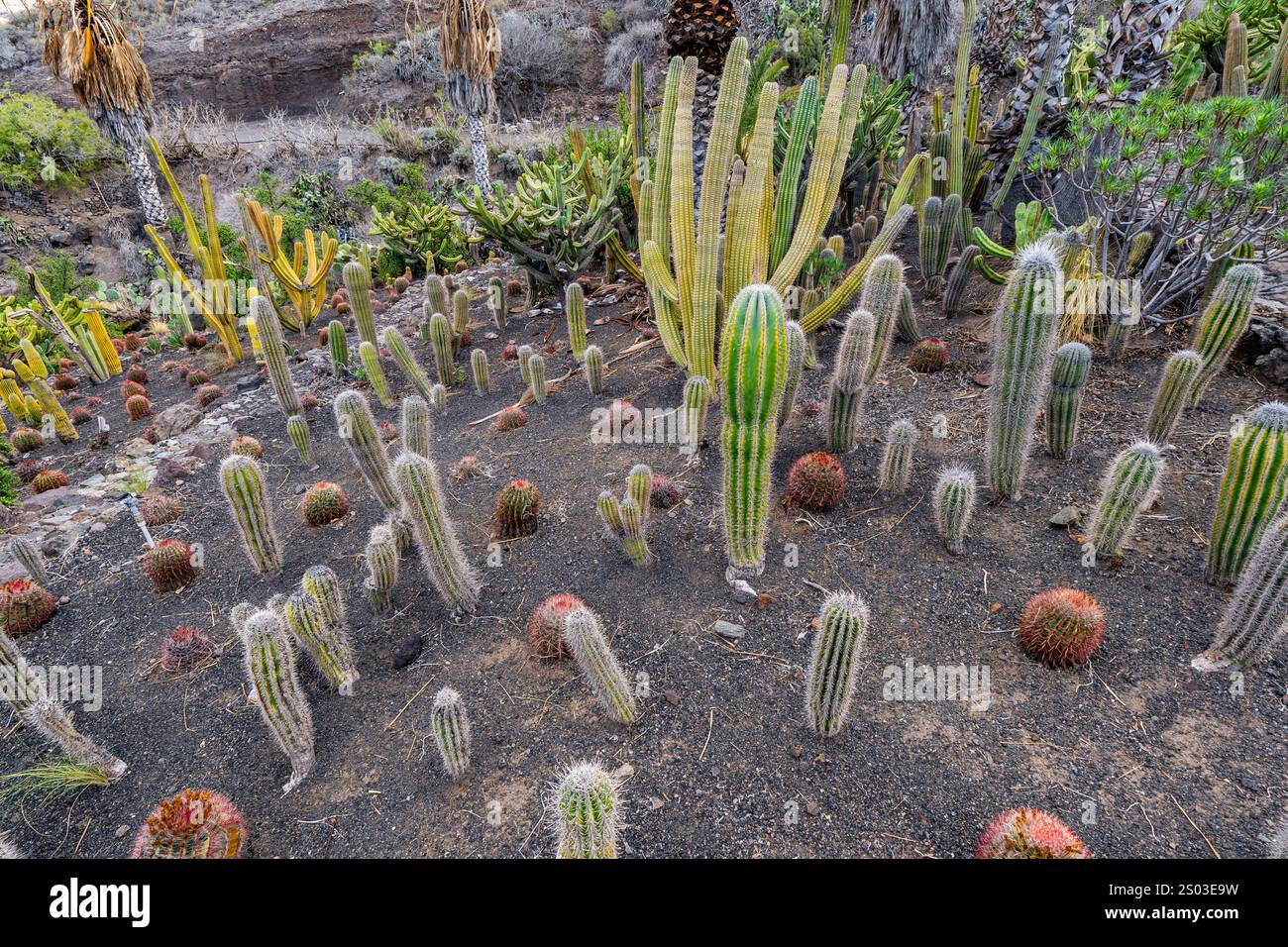
The visual allure of a mixed desert garden stems from the interplay of divergent textures and shapes. Cacti often fascinate with their spiny exteriors and geometric precision. When paired with other desert dwellers—such as the fleshy leaves of succulents or the feathery foliage of desert grasses—the contrast becomes a compelling visual dialogue. This synthesis between rigid spines and soft, flowing leaves adds dimension and intrigue.
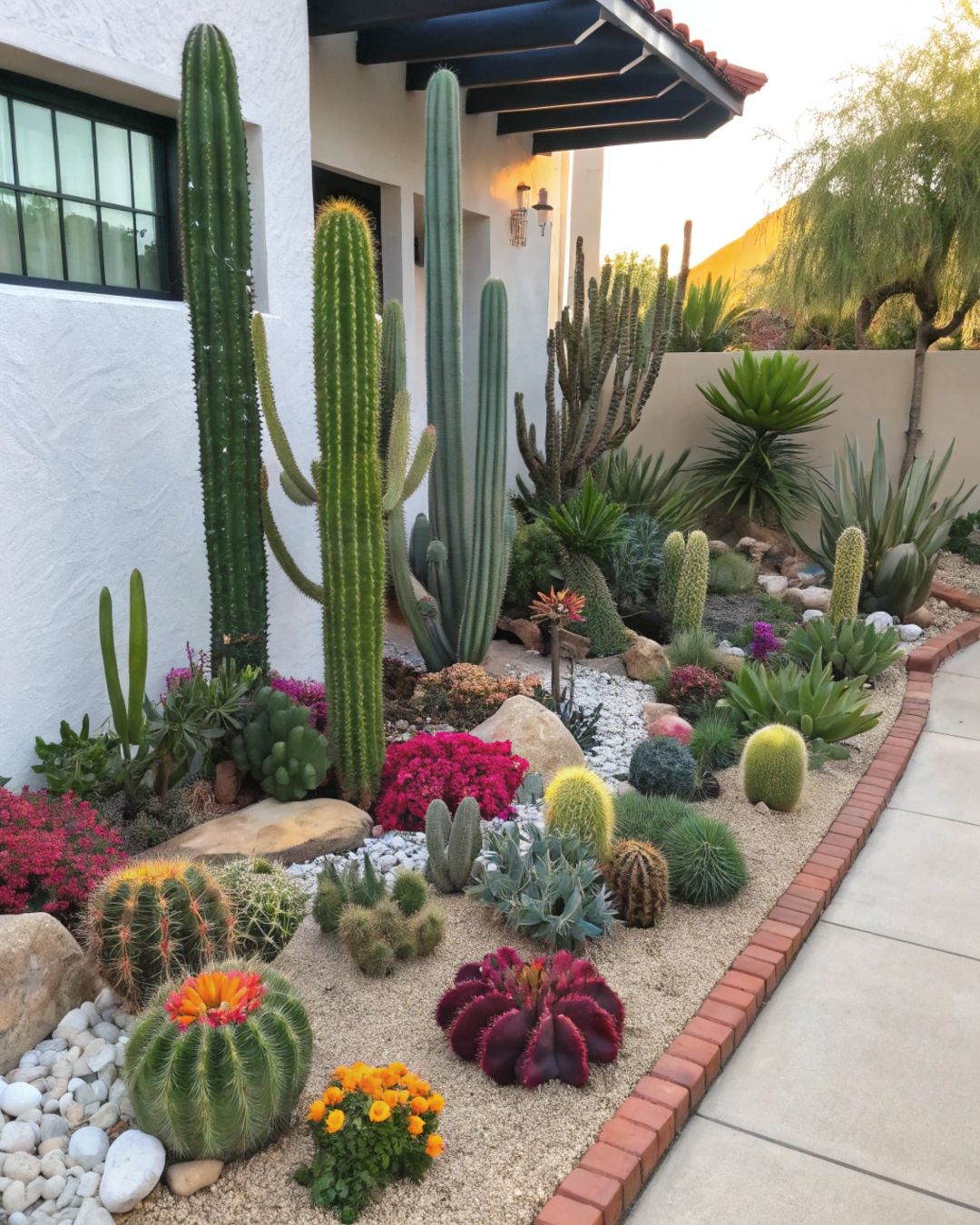
Consider the dramatic effect accomplished by juxtaposing the columnar stature of a saguaro or cereus cactus with the rosette formations of echeverias or the sprawling tendrils of desert verbena. These combinations not only enhance aesthetic appeal but also reflect the diverse strategies plants use to mitigate harsh desert conditions—an eloquent display of form following function.

Nurturing with Environmental Compatibility in Mind
Successful integration extends beyond beauty; it necessitates an understanding of the cultural requirements of each species. Cacti and other desert plants thrive under intense light, well-draining soil, and minimal water. However, subtle differences exist. For example, some desert wildflowers may tolerate slightly richer soil or periodic watering more than a spiny cactus.
When planning your desert garden, create zones where plants requiring marginally different conditions are grouped. This approach respects their individual needs while maintaining an overarching coherence. A well-designed cacti and desert flora garden marries resilience with careful consideration, yielding a flourishing, self-sustaining landscape.
The Emotional Resonance of Desert Plant Compositions
Why do desert plants, especially cacti, evoke such a strong response? There is an enigmatic allure in their austere beauty and stoic perseverance. When combined thoughtfully, they form living sculptures that speak of endurance and subtle complexity. This emotional resonance often stems from a subconscious admiration for resilience, the triumph of life in inhospitable spaces.
The landscape becomes more than a collection of plants; it is a narrative of survival and adaptation, a testament to nature’s extraordinary inventiveness. By cultivating this garden, one connects with an elemental story—drawn from the stark beauty of deserts yet offering rich textures, colors, and moods.
Designing for Seasonality and Bloom Cycles
Desert plants often boast spectacular bloom cycles, though these events can be fleeting. Combining cacti with other desert plants allows for staggered flowering times, ensuring continuous visual interest throughout the seasons. For example, prickly pears may flower early in the spring, while desert marigolds and penstemons burst forth later, keeping the garden in flux and vibrant.
Incorporating species with varying heights and blooming phases creates a dynamic rhythm. It helps maintain engagement and invites gardeners to anticipate nature’s surprises. This temporal layering echoes the desert’s unpredictable yet captivating cycles, deepening one’s appreciation for plant communities shaped over millennia.
Utilizing Containers and Rock Gardens for Versatility
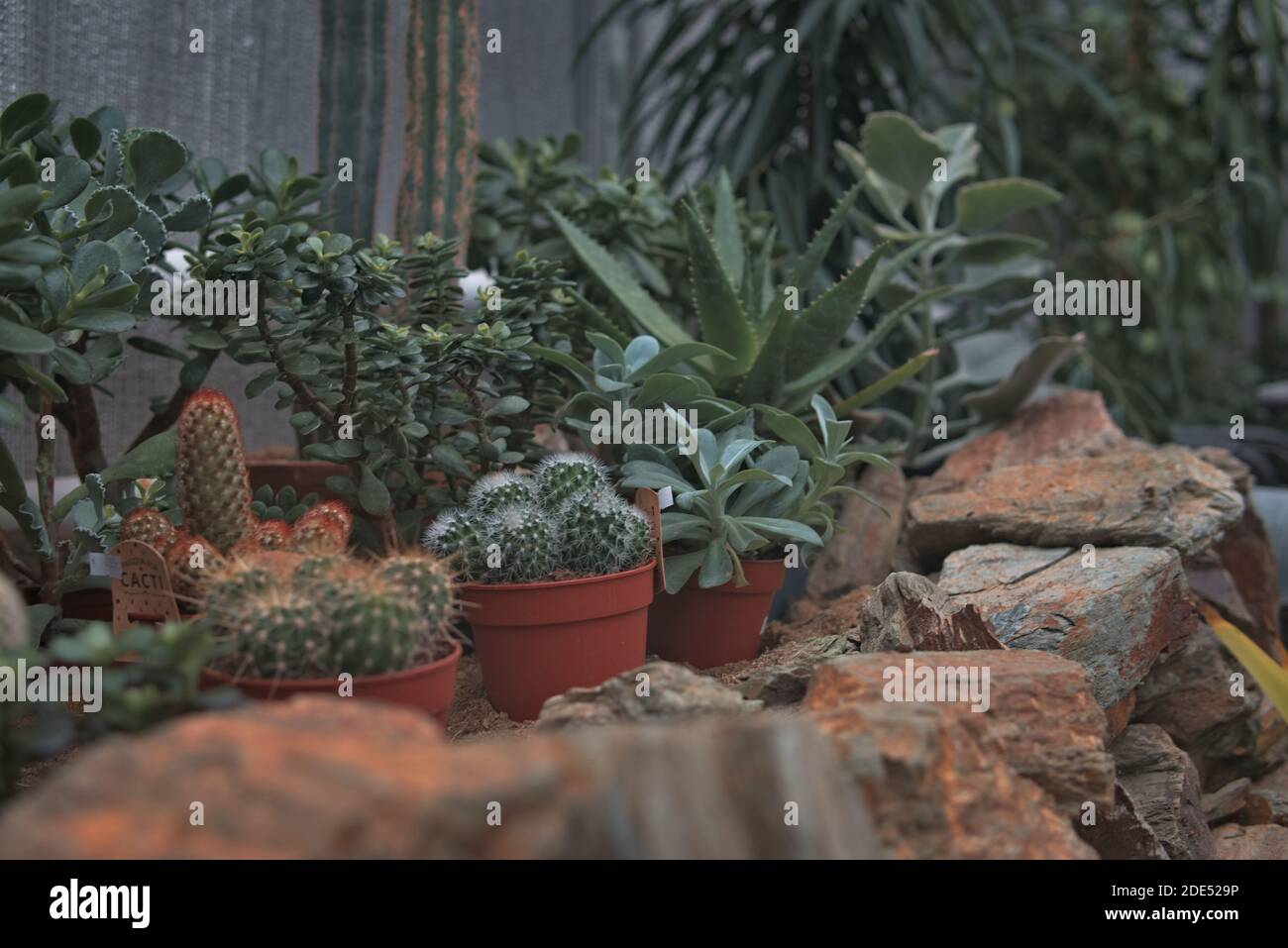
Integrating cacti with other desert plants can also be executed in container arrangements or rock gardens, adding flexibility to any space. Containers allow for control over soil composition and microenvironment, making it easier to maintain optimal conditions. Rock gardens replicate natural desert terrain, leveraging stones to improve drainage and create aesthetic focal points.
These techniques enhance spatial diversity, accommodate plant mobility, and invite creativity in design. They also provide practical solutions for those limited to patios or balconies yet longing to experience the desert’s rugged charm within their own homes.
Conclusion: Cultivating a Living Desert Symphony
Combining cacti with other desert plants transcends simple horticulture. It is a conscious act of curating nature’s theater, where form, function, and narrative intertwine. This synergy respects each species’ resilience while crafting an environment rich in texture, emotion, and seasonal drama. The desert garden thus becomes a living symphony—an evocative space that invites admiration, reflection, and an ongoing dialogue with the powerful forces of nature.
FAQ
What are some other plants that pair well with cacti?
Many desert plants such as agaves, desert lilies, and succulents like echeveria work well with cacti due to their similar water and light needs.
How do I create a successful desert garden?
Choose a variety of cacti and desert plants that have compatible water and light requirements, and design your garden with zones for different plant needs.

Leave a Reply