
Short Answer
In recent years, the humble cactus has transcended its desert origins to become an emblem of modern horticultural fascination and a lucrative niche in the world of plant commerce. What captivates so many about these resilient succulents is far more than their prickly exteriors; it is the blend of timeless survival instinct and an almost sculptural beauty. This duality fuels a burgeoning interest among collectors, interior designers, and novice gardeners alike—transforming cacti into coveted commodities. But which species stand out as the best cacti to sell for profit? Let’s delve deeper into the varieties that enchant enthusiasts and the underlying reasons behind their escalating popularity.
Encapsulating Elegance: Why Cacti Captivate the Market
At first glance, a cactus might appear understated or even forbidding. Yet, this initial perception often gives way to admiration for their intricate forms and subtle colors. These plants embody a paradox: minimal maintenance paired with maximal aesthetic impact. Their sculptural silhouettes lend an artistic flair to any environment, from urban apartments to expansive offices. Moreover, their resilience mirrors modern values of sustainability and low-waste living, drawing consumers eager to harmonize their aesthetic needs with ecological consciousness.
Another layer underpinning cactus fascination is symbolic. In various cultures, cacti represent endurance, protection, and adaptability—qualities people increasingly seek in uncertain times. This imbues the purchase of such plants with a narrative richer than mere decoration, turning each sale into a story and each plant into a cherished emblem.

Golden Barrel Cactus (Echinocactus grusonii): The Ultimate Statement Piece

The Golden Barrel Cactus, with its charismatic spherical form and radiant golden spines, is indisputably among the most prized cacti to sell. Its unmistakable symmetry and bold coloration make it an immediate center of attention. Beyond its visual appeal, it boasts remarkable robustness, able to thrive both indoors and outdoors with relatively minimal care.
This species commands premium prices because it elegantly straddles the line between easy cultivation and botanical distinction. Savvy sellers find that collectors often seek out mature specimens with pronounced ribbing and vibrant spines, allowing for profitable opportunities in both young and mature plant markets. The Golden Barrel’s iconic silhouette elevates it from a mere plant to a conversation piece—ideal for those aiming to maximize profit through aesthetic desirability.
Moon Cactus (Gymnocalycium mihanovichii): Technicolor Charm

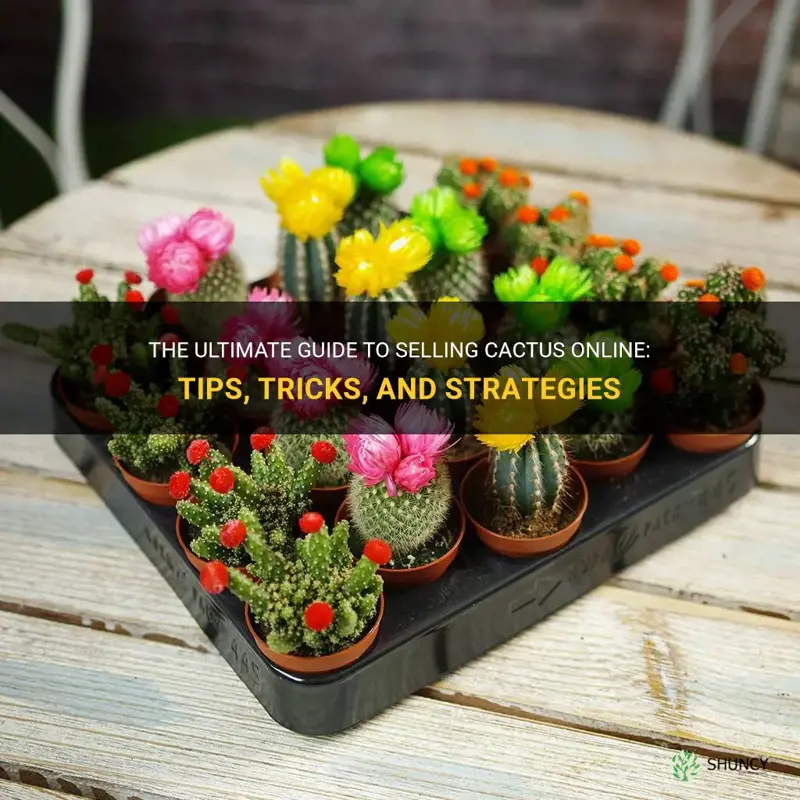
The Moon Cactus captivates buyers with its eye-popping neon grafted tops that almost seem otherworldly. Unlike many cacti that rely on green chlorophyll, the Moon Cactus flaunts shades of pink, red, yellow, and orange, creating a living piece of modern art. This rare combination of chromatic vibrancy and botanical peculiarity makes it a unique item in the succulent marketplace.
Appealing especially to younger demographics and those seeking bold interior accents, Moon Cacti sell quickly and at generous margins, primarily because their vivid colors are difficult to replicate naturally in other plants. The joint of a colorful Gymnocalycium grafted onto a hardy Hylocereus rootstock allows for durability with a striking, almost jewel-like façade.
Old Man Cactus (Cephalocereus senilis): The Eccentric Vintage Favorite
For customers craving whimsy mixed with historical allure, the Old Man Cactus delivers in spades. Its distinctive “hairy” white spines resemble a venerable tuft of aged wisdom, evoking imagery of desert ancestors standing sentinel over arid landscapes. This aesthetic uniqueness grants it an almost mystical appeal, making it a sought-after specimen for collectors and designers alike.
Despite its elaborate appearance, it is surprisingly easy to maintain, which broadens its market reach beyond specialists to casual plant owners aiming to diversify their greenery. The Old Man Cactus thrives in well-drained soils and bright light, conditions easily reproducible in pot culture, enabling sellers to propagate and retail these specimens profitably.
Bunny Ear Cactus (Opuntia microdasys): Playful with Practicality
The Bunny Ear Cactus strikes a balance between charm and practicality. Its paired pads covered in soft glochids evoke playful shapes that appeal to families, younger audiences, and anyone looking for a delightful desk plant. Unlike many spiny cacti, the glochids are slightly less aggressive, making it somewhat more approachable in home settings.
Financially, the Bunny Ear Cactus is a stellar performer because it is prolific and relatively fast-growing. It lends itself well to creative sales approaches—gift bundles, decorative terrariums, and even educational kits—multiplying potential revenue streams. As trends toward creative succulent gardens grow, this species benefits from both its conspicuous cuteness and ease of care.
Reasoning Behind The Growing Cactus Craze
Underlying the surge in cactus sales is a broader cultural shift. Consumers crave authenticity, simplicity, and plants that harmonize with a busy yet eco-conscious lifestyle. Cacti fit this rubric better than most; their water-wise nature aligns with global concerns about resource conservation, while their distinct morphologies satisfy a craving for nature’s artistry in miniature.
Moreover, as urbanization intensifies, the connection to wild, rugged environments grows paradoxically stronger. Owning cacti offers a tangible link to untamed landscapes that many city dwellers find elusive. This explains the deep-rooted fascination that extends beyond economics to an almost spiritual interaction with nature. It isn’t merely about selling plants but about providing customers with a slice of enduring natural wonder.
Propelling Profit Through Strategic Cultivation and Marketing
To truly capitalize on the cactus boom, sellers must think beyond stockpiling plants. Understanding cultivation subtleties, such as optimal light exposure, watering schedules, and soil compositions, ensures healthy and desirable specimens that command attention. Premium specimens with unique variations—mutations, rare colorations, or perfect forms—often fetch substantially higher prices.
Marketing strategies emphasizing the narratives behind each cactus species can amplify appeal. Highlighting symbolism, care ease, or ecological advantages connects emotionally with buyers. Packaging with elegant pots or curated plant care tips can transform a simple purchase into a memorable experience, increasing customer loyalty and encouraging repeat business.
Final Thoughts: Cultivating Beauty and Business Success
The best cacti to sell for profit are those that fuse visual allure with resilience and cultural resonance. From the regal Golden Barrel to the whimsical Bunny Ear, each presents unique opportunities for cultivating satisfaction and income. Beyond business, these plants enrich spaces, evoke stories, and inspire awe at nature’s ingenuity. Embracing this understanding elevates cactus selling from a transactional act to a passionate craft—where every spine and silhouette tells a story worth telling and buying.
FAQ
What are the best cacti to sell for profit?
Some of the best cacti to sell include the Golden Barrel Cactus, Moon Cactus, Old Man Cactus, and Bunny Ear Cactus due to their aesthetic appeal and market demand.
How can I market cacti effectively?
Highlight the unique characteristics of each cactus, provide care tips, and create engaging packaging to enhance customer experiences.


Leave a Reply