
Short Answer
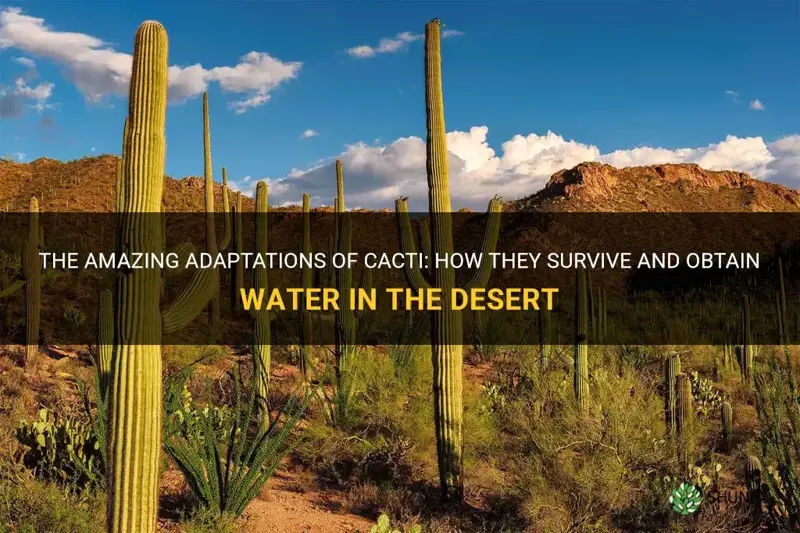
When one thinks of resilience in the face of harsh deserts, the cactus immediately springs to mind. These spiny sentinels of the arid landscapes evoke images of desolation punctuated by steadfast life. Yet, beneath their prickly exterior lies an astonishing secret: an ingenious array of adaptations that allow cacti to thrive where few other plants dare. This narrative peels back the layers of their formidable armor to reveal the exquisite biology of water conservation in cacti—a botanical masterclass in survival that challenges our very understanding of what it means to endure under extreme scarcity.
Succulence: Nature’s Reservoir in a Spiny Shell
At the core of a cactus’s water strategy is succulence—a captivating evolutionary marvel. Unlike typical plants that rely on constant moisture, cacti have developed thickened, fleshy tissues specialized for water storage. This succulent tissue acts as an internal reservoir, enabling the plant to hoard precious rainwater, sometimes for months or even years.
These water banks are not just random sponges; their cellular architecture is meticulously arranged to minimize evaporation and maximize retention. The cactus’s outer layer, or epidermis, is coated in a waxy cuticle—a hydrophobic shield that dramatically reduces water loss. This impervious coating is akin to an ancient waterproof cloak, vital under the relentless glare of the desert sun.


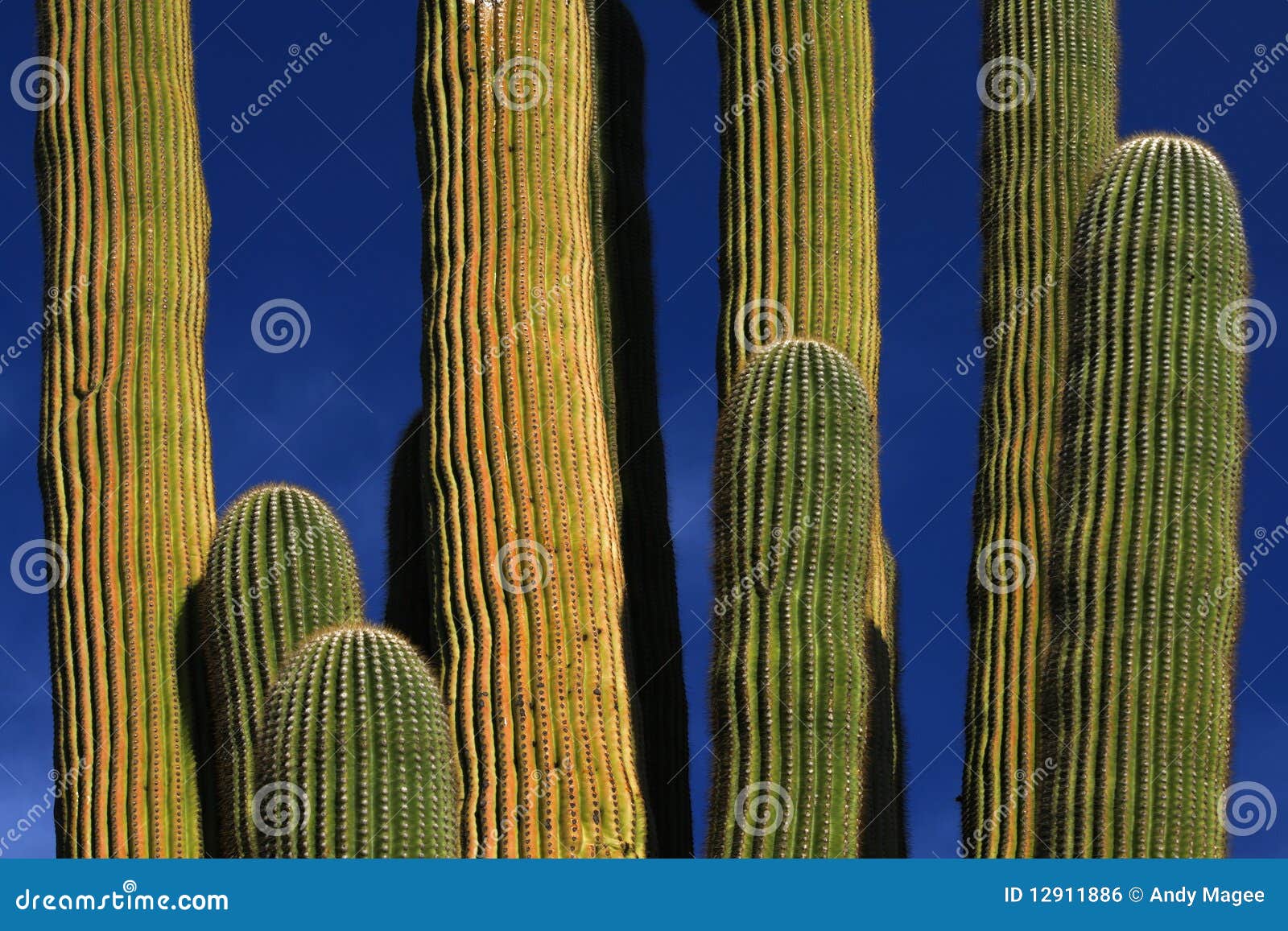
Notably, the ribbed or accordion-like shape many cacti exhibit is not mere ornamentation. It allows expansion and contraction in response to water intake, letting the plant swell during rains and contract during droughts without damaging its structure.
Spines: Guardians Against Water Loss and Predation
Beyond their intimidating appearance, spines serve a critical dual purpose. These modified leaves have metamorphosed from water-losing structures into formidable defenders of the cactus’s water economy. By reducing the surface area dramatically, spines curtail the transpiration rate—essentially limiting the plant’s water escape routes.
Moreover, spines create a microhabitat of shade around the cactus surface, reducing temperatures beneath the spine canopy and thereby lessening evaporative water loss. This subtle shading effect evokes an elegant synergy between form and function.
Additionally, these spines deter herbivorous animals, protecting the succulent tissues from being devoured. When a thirsty desert dweller eyes a cactus, its spiny armor serves as a stark warning: Water is precious, and the price of extraction may be painful.
CAM Photosynthesis: A Revolutionary Water-saving Mechanism
The physiological adaptations of cacti extend deep into their cellular machinery. Crassulacean Acid Metabolism (CAM) photosynthesis is one of the most extraordinary innovations in the plant kingdom. Unlike the majority of plants that open their stomata during the day to exchange gases—unfortunately losing water in the process—cacti perform gas exchange predominantly at night when temperatures are cooler and humidity higher.
This nocturnal opening of stomata traps carbon dioxide for photosynthesis without the accompanying deleterious water loss. The captured CO2 is temporarily stored as organic acids and then utilized during daylight for energy production while stomata remain tightly closed, thus conserving every precious drop of water.
CAM photosynthesis exemplifies a profound shift in how plants balance fundamental life processes with environmental constraints. It’s an elegant trade-off, transforming the typical day/night rhythm into a water-efficient survival choreography.
Root Systems: The Invisible Lifeline Below Ground
The adaptations that make cacti water-wise aren’t confined to their visible parts. Beneath the sandy, unforgiving soil lies a remarkable root system designed for opportunistic water uptake. Many cacti boast widespread, shallow roots that lie just under the surface, enabling rapid absorption of even the briefest and lightest rains.
This network acts like an expansive radar, detecting moisture pulses across a wide area. Once a rain event occurs, these roots channel water swiftly into the succulent tissues, maximizing uptake before evaporation claims the moisture. Some species also develop deeper taproots to access subterranean water reserves during prolonged droughts, demonstrating a versatile hybrid strategy to confront water scarcity from multiple angles.
Structural Adaptations: Even Shape Speaks Survival
Form follows function in the cactus world with breathtaking precision. Most species have abandoned broad leaves in favor of streamlined, cylindrical, or spherical shapes—geometries that minimize surface area relative to volume and thus reduce water loss. Spherical cacti, akin to nature’s perfect water balloons, present the least surface area for evaporation, an ingenious dimensional efficiency.
The pronounced ribs found on many cacti aren’t just architectural flourishes. They serve as flexible pleats that allow rapid expansion after rainfall without tearing skin, while also creating shadowed grooves that further diminish surface temperature and evaporation rates.
This intricate combination of shape and surface features conveys an unspoken narrative of survival optimized through millennia of evolutionary pressure.
The Role of Mucilage: Internal Moisture Regulation
Deep within cactus tissues lies an often-overlooked hero of water conservation: mucilage, a gelatinous substance stored in specialized cells. This sticky polysaccharide traps water molecules, slowing their movement through plant tissues and reducing dehydration during hot, dry spells.
Mucilage also plays a role in nutrient transport and offers protection against pathogens, turning this humble gelatinous matrix into a multifunctional marvel supporting cactus longevity.
Conclusion: Redefining Resilience Through Water Wisdom
The cactus’s strategy for water conservation transcends simple survival; it exemplifies an evolutionary triumph that continually fascinates scientists and nature enthusiasts alike. Through succulent reservoirs, spiked guardians, nocturnal photosynthesis, strategic roots, and sculpted forms, cacti embody a masterclass in resourcefulness.
Next time you encounter a cactus standing resolute in an unforgiving desert, consider the astonishing ensemble of adaptations enabling this botanical wonder to flourish. They redefine resilience not just as endurance but as an exquisite symbiosis with scarcity. These adaptations inspire a profound shift in perspective—challenging us to appreciate the silent ingenuity of nature’s water keepers.

FAQ
What adaptations do cacti have for surviving in deserts?
Cacti have thick, fleshy tissues for water storage, spines to reduce water loss and deter predators, CAM photosynthesis to conserve water, and a root system designed for optimal water uptake.
Why do cacti have spines?
Spines protect cacti from herbivores and reduce water loss by minimizing surface area.




Leave a Reply