
Short Answer
When it comes to nurturing indoor cacti, the window you choose is more than just a portal for sunlight—it’s the lifeline that dictates their health, growth, and even their ability to bloom. Among the cardinal directions, the south-facing window reigns supreme for cacti enthusiasts, offering an unparalleled blend of intensity and consistency in light exposure. But not all south-facing windows are created equal, and the nuances of their orientation, seasonal shifts, and even architectural quirks can dramatically influence your spiky companions. Whether you’re a seasoned succulent whisperer or a novice dipping your toes into the arid world of cacti, understanding how to harness the power of a south-facing window will transform your indoor garden from a mere collection of plants into a thriving desert oasis.
The Golden Rule: Why South-Facing Windows Are Cacti Royalty
South-facing windows are the VIP section of the indoor plant world, basking in the most direct sunlight throughout the day. In the Northern Hemisphere, this orientation ensures that cacti receive the full spectrum of light, from the gentle caress of morning rays to the robust embrace of afternoon sun. Unlike east or west-facing windows, which offer fleeting bursts of light, a south-facing window provides a steady, reliable glow—critical for species that crave high light intensity, such as Echeveria, Ferocactus, or the regal Saguaro. The consistency of this exposure mimics the natural desert environment, where cacti are accustomed to relentless, unfiltered sunlight. However, this intensity isn’t without its caveats; without proper management, the same window that fuels growth can also scorch delicate tissues or dehydrate roots. The key lies in balancing exposure with observation, adjusting care routines as the seasons shift like the sands of the Sahara.
Consider the window’s altitude—a lofty perch in a multi-story home may expose plants to cooler temperatures and stronger winds, while a lower sill might trap heat or humidity. The angle of the sun’s path also plays a role; in winter, the sun hangs lower, casting longer shadows and delivering a gentler glow, whereas summer’s high arc can turn a south-facing window into a solar furnace. This seasonal dance demands adaptability, turning your care routine into a dynamic symphony rather than a static checklist.

Decoding the Light: Direct vs. Filtered Sunlight for Cacti
Not all sunlight is equal, and a south-facing window can offer a spectrum of light conditions depending on its proximity to the glass, the presence of obstructions, and even the color of the walls surrounding it. Direct sunlight—the kind that casts sharp, defined shadows—is ideal for sun-loving cacti like Mammillaria or Gymnocalycium. These species thrive when placed on the windowsill itself, where they can soak up the full brunt of the sun’s rays. However, this level of exposure requires vigilance; signs of distress such as bleached patches, wrinkled skin, or a sudden halt in growth signal that it’s time to dial back the intensity.
For more delicate species, such as Haworthia or Gasteria, a south-facing window can be too harsh without a buffer. Here, filtered sunlight becomes the hero. Sheer curtains, blinds, or even the shadow cast by nearby buildings can soften the light, creating a dappled effect that mimics the dappled shade of a desert canyon. Rotating the plant periodically ensures even exposure, preventing the telltale lean toward the light that plagues so many indoor cacti. Think of it as curating the perfect microclimate—one where the sun’s power is harnessed, not dominated.
Seasonal Strategies: Adapting to Winter’s Whisper and Summer’s Roar
The south-facing window’s gift is not static; it evolves with the seasons, demanding a shift in strategy as the year progresses. In winter, the sun’s lower trajectory means less intense light and cooler temperatures near the window. While this may seem like a reprieve, it’s a double-edged sword. Cacti enter a dormant phase, requiring even less water but still craving light. A sheer curtain can prevent cold drafts from chilling roots, while a grow light supplement may be necessary in regions with particularly overcast winters. Monitor your plants closely—stunted growth or etiolation (stretching toward the light) indicates they’re not getting enough.
Come summer, the south-facing window becomes a powerhouse of energy, and the challenge shifts from coaxing growth to preventing scorching. The solution? Strategic placement. Move heat-sensitive species a few feet back from the glass, or introduce a sheer barrier to diffuse the light. Ventilation is also critical; a gentle breeze from an open window can dissipate excess heat, but avoid placing plants in the direct path of air conditioning vents, which can cause temperature shock. Consider the heat sink effect—dark furniture or floors near the window absorb and radiate heat, creating a microclimate that may be too toasty for some cacti. A light-colored tray or a layer of pebbles beneath the pot can help regulate soil temperature.
Architectural Alchemy: Maximizing Light in Urban and Suburban Spaces
The layout of your home can either amplify or sabotage the potential of a south-facing window. In urban apartments, neighboring buildings may cast shadows that shorten the window’s effective light hours. To counteract this, position your cacti on the highest available surface—whether it’s a bookshelf, a plant stand, or a hanging planter. Reflective surfaces, such as mirrors or white walls, can bounce light deeper into the room, ensuring no ray goes to waste. For those in suburban homes with more space, the window’s depth becomes a tool. A deep sill allows for tiered planting, where taller cacti like Carnegiea gigantea (the Saguaro) can bask in full sun while shorter species like Lophophora (the peyote cactus) enjoy dappled shade beneath them.
Don’t overlook the window’s frame material. Metal frames conduct heat, which can create hotspots, while wooden frames insulate, offering a more stable environment. If your window is prone to condensation, a dehumidifier or a small fan can prevent moisture from settling on leaves—a common issue in colder months that can lead to rot. For the truly ambitious, consider installing a light shelf, a horizontal surface that reflects sunlight upward into the room, maximizing light distribution without overwhelming your cacti.
Common Pitfalls and How to Sidestep Them
Even the most well-intentioned cacti parent can fall victim to the pitfalls of a south-facing window. One of the most frequent missteps is over-rotating the plant. While it’s tempting to turn the pot daily to ensure even light exposure, this can stress the plant and disrupt its growth patterns. Instead, opt for a quarter-turn every few weeks, allowing the cactus to acclimate gradually. Another trap is ignoring dust—a layer of grime on the window or the plant’s spines can block up to 50% of light, dimming the very energy your cacti need. A soft brush or a damp cloth can work wonders, restoring clarity to both glass and spines.
Pests also love the warmth of a south-facing window. Mealybugs, spider mites, and scale insects thrive in hot, dry conditions, making this orientation a prime real estate for infestations. Regular inspections—especially on the undersides of leaves and in the crevices of spines—are essential. If pests appear, isolate the affected plant and treat it with neem oil or insecticidal soap, ensuring the solution doesn’t pool in the soil, which can lead to root rot. Lastly, beware of temperature fluctuations. A south-facing window can swing from chilly nights to scorching days, particularly in climates with extreme seasons. A thermometer placed near the window can help you monitor conditions, allowing you to adjust care as needed.
The Reward: A Desert in Your Living Room
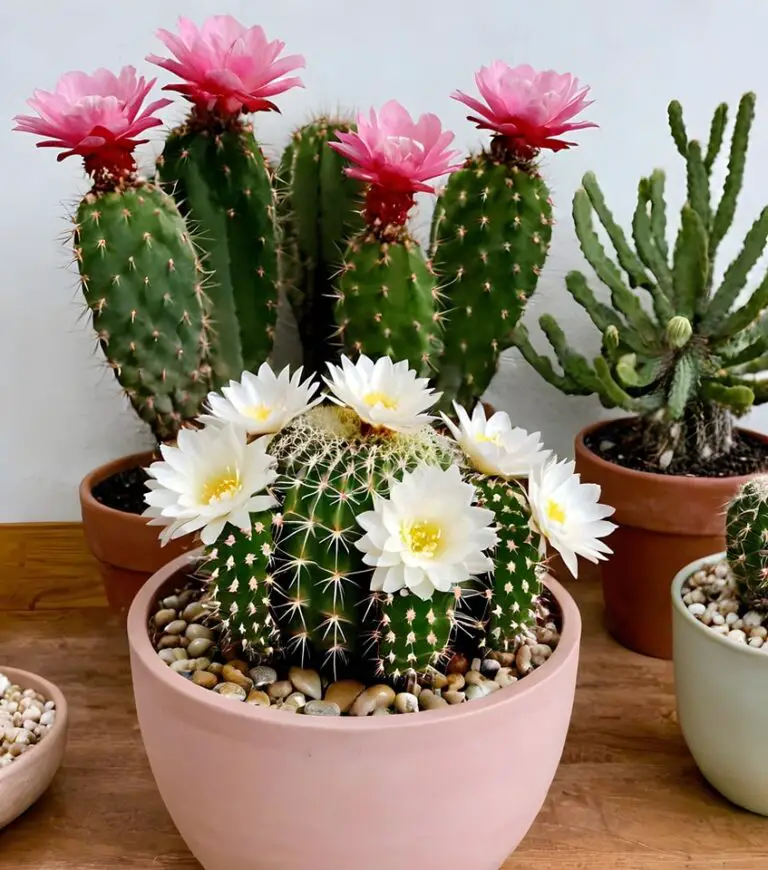
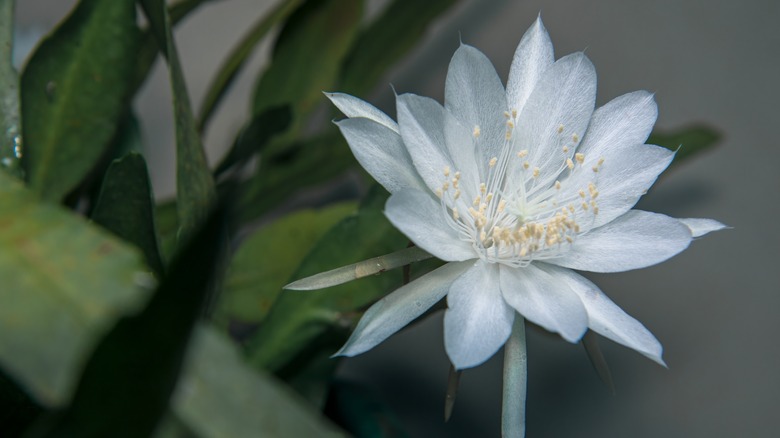
The magic of a south-facing window lies in its ability to turn even the most modest indoor space into a thriving desert tableau. With the right species and care, you can coax your cacti into blooming—some, like Epiphyllum (the orchid cactus), will reward you with vibrant, ephemeral flowers, while others, such as Mammillaria, may produce offsets that form a living carpet around the base. The key is patience and attentiveness. Observe how your cacti respond to the light, adjusting their placement and care as the seasons change. Over time, you’ll develop an intuitive sense of their needs, transforming your south-facing window into a sanctuary of spiny splendor.
Remember, the goal isn’t perfection but harmony. A slightly etiolated cactus is a story of adaptation; a sun-bleached patch is a lesson in resilience. Each quirk and quiver of your plants is a testament to the delicate balance between nature and nurture. So, embrace the south-facing window not as a challenge, but as an opportunity—a chance to create something extraordinary in the most unexpected of places.
FAQ
Why are south-facing windows ideal for cacti?
South-facing windows provide the most direct sunlight throughout the day, which is essential for the health and growth of cacti.
How do I protect my cacti from too much sunlight?
You can use sheer curtains to diffuse the light or move sensitive species back from the window to avoid scorching.
What care adjustments should I make for cacti in winter?
Cacti typically enter a dormant phase in winter, requiring less water but still needing adequate light.



Leave a Reply