
Short Answer
Picture a sun-drenched desert where the arid winds whisper secrets, and the resilient cactus stands as a stoic giant, seemingly self-sufficient in its rugged habitat. But beneath this austere façade lies a captivating hidden world—a delicate dance between cactus blossoms and their unsung heroes: bees. These pollinators, often overshadowed by their more flamboyant floral counterparts, hold the key to an ecological symphony that promises to reshape how we perceive desert life. As we delve deeper, prepare to embark on a journey that reveals the extraordinary nuances of cactus pollination and the remarkable role bees play in sustaining these botanical marvels.
The Intimate Relationship Between Cacti and Their Pollinators
At first glance, the cactus seems an unlikely candidate for intricate biological interactions. Its thick, spiny exterior and formidable defenses suggest isolation rather than cooperation. Yet, the cactus has evolved an intimate relationship with select pollinators, especially certain species of bees. Unlike the generalized pollination patterns of many plants, the cactus’s floral structures have adapted to entice and accommodate specialized bee visitors. Their blossoms—often nocturnal, aromatic, or vividly hued—create a niche that fosters exclusivity and precision in pollination.
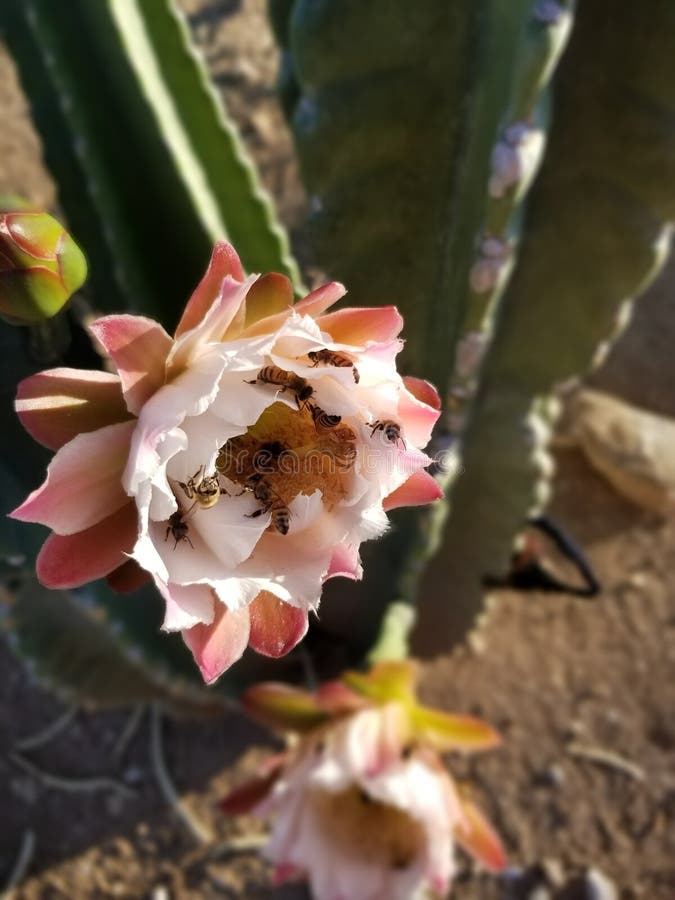
These bees are not just random agents; many have coevolved alongside cacti, developing sensory acumen and behavioral patterns uniquely suited to the temporal and morphological rhythms of cactus flowers. This specialization ensures efficient pollen transfer, which is pivotal for the genetic vitality and reproductive success of these desert denizens.
Bee Species That Thrive in the Desert Arena
Desert ecosystems host a surprisingly diverse array of bee species, each tailoring their life cycles to the capricious availability of floral resources. Among them, solitary bees such as Centris and Xylocopa species play starring roles in cactus pollination. Unlike social honeybees, many desert bees exhibit solitary or semi-social behaviors, optimizing their foraging strategies to navigate vast, flower-scarce terrains.
Some of these bee species are oligolectic—meaning they specialize in gathering pollen from only a few plant species, often cacti. This exclusivity fosters a mutualistic partnership where both the cactus and bee species reap evolutionary advantages. The bees secure dependable nourishment and reproductive material for their larvae, while the cacti benefit from precise and consistent pollination services.
The Mechanics of Cactus Pollination: A Symphony of Timing and Form
Cactus flowers often bloom in a tightly regulated schedule, synchronized with the activity patterns of their principal bee pollinators. Many species open their blossoms at dusk or dawn, offering a fleeting window in which pollinators must perform their vital ritual. This temporal precision reduces competition with other floral species and aligns visitation with bees eager to forage during cooler periods of the desert day.
Morphologically, cactus flowers employ strategies that guide bees into optimal positions for pollen transfer. Their tubular or bowl-shaped corollas act as natural conduits, ensuring pollen adheres to specific body parts of the bee—usually the dorsal thorax or legs. As bees flit from flower to flower, they carry this life-giving cargo, effectively knitting together the genetic tapestry of cactus populations.
Challenges Facing Cactus Pollinators Amid Environmental Shifts
Amidst the harshness of desert landscapes, bees battling intense heat, scarce water, and limited floral resources display remarkable resilience. However, modern environmental perturbations cast long shadows on these delicate systems. Habitat fragmentation, climate change, and the insidious encroachment of human development are dramatically altering the availability of cactus blooms and nesting habitats.
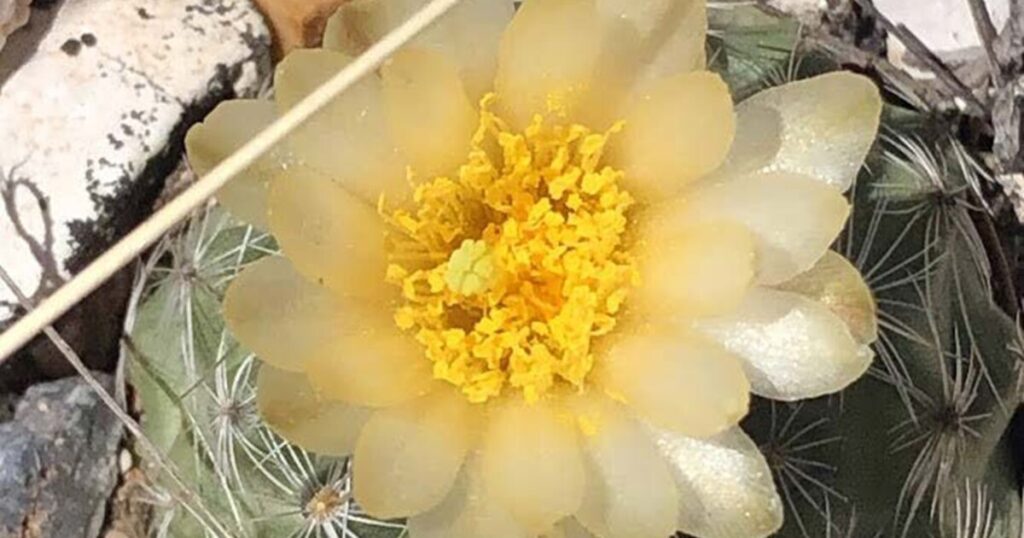
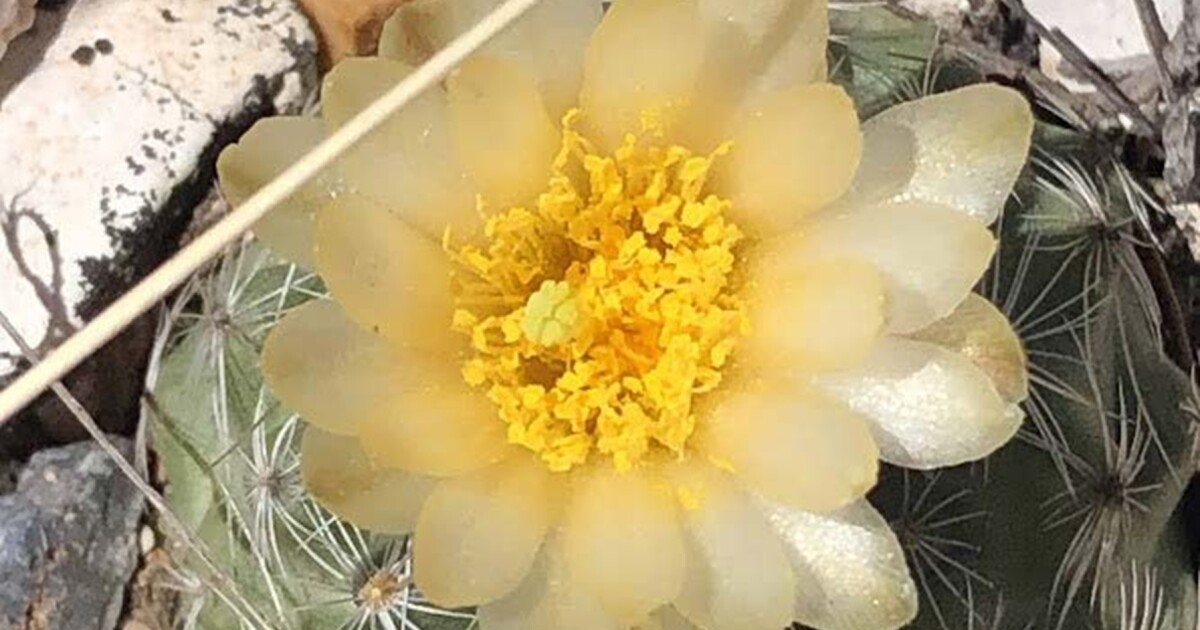
When bee populations suffer declines or behavioral disruptions, the cascading effects on cactus reproduction become starkly evident. Some rare cacti, like the Kaibab Pincushion, teeter on the brink of extinction partially due to disrupted pollination networks. The intricate dependencies underscore a fragile equilibrium where the loss of a single pollinator species could unravel entire botanical communities.
Unveiling the Conservation Imperative: Protecting Pollinators to Preserve Cacti
Recognizing the inseparability of cactus survival and bee pollination opens new vistas for conservation strategies. Protecting nesting sites, preserving native vegetation, and restricting disruptive land use are cornerstones of sustaining these pollination symphonies. Moreover, understanding the nuanced behavior of cactus pollinators informs habitat restoration—ensuring that any rehabilitated environment supports the full lifecycle of these essential bees.
Scientific studies have begun leveraging advanced monitoring techniques to track pollination patterns, highlighting how conservation actions can foster both bee populations and cactus regeneration. Community engagement, through citizen science and education, further galvanizes efforts to safeguard these natural alliances.
Reimagining the Desert: A Narrative of Coexistence and Wonder
Stepping beyond the simplistic notion of the cactus as a stoic desert survivor invites us into a narrative woven with interdependence, adaptation, and delicate artistry. The bee pollinators, with their industrious precision and evolutionary intimacy, reframe our perception of desert ecosystems from barren wastelands to vibrant arenas of biological collaboration.
As we witness the nocturnal flutter of a bee in a blooming cactus flower or the silent exchange of pollen carried effortlessly across arid gusts, a profound realization emerges. The desert is not a place of isolation but a crucible of life where resilience is manufactured in partnership. This intricate dance reminds us that even in the harshest environments, cooperation is the cornerstone of survival—and there is beauty in the smallest acts that sustain the grandest forms of life.
FAQ
How do cactus flowers attract bees?
Cactus flowers often bloom at specific times and have distinct colors and scents to attract specialized bee species.
Why is bee conservation important for cacti?
Bee conservation is vital as the decline of bee populations directly impacts cactus reproduction and biodiversity.
Leave a Reply