
Short Answer
In the arid heartlands where sunburnt earth meets endless horizons, cacti reign supreme as resilient sentinels of survival. Yet, as the planet’s climate dances to a new, unpredictable rhythm, these desert denizens face challenges that beckon us to rethink their story. Far beyond mere spines and succulence, the saga of cacti amid climate change promises to shift our perspective, unveiling layers of ecological intrigue and adaptability that few have dared to explore. Let us embark on a journey that unearths the profound impact of a warming world on these emblematic desert dwellers, sparking curiosity and awe in equal measure.
The Unyielding Guardians of Aridity: Cacti in Their Natural Habitat
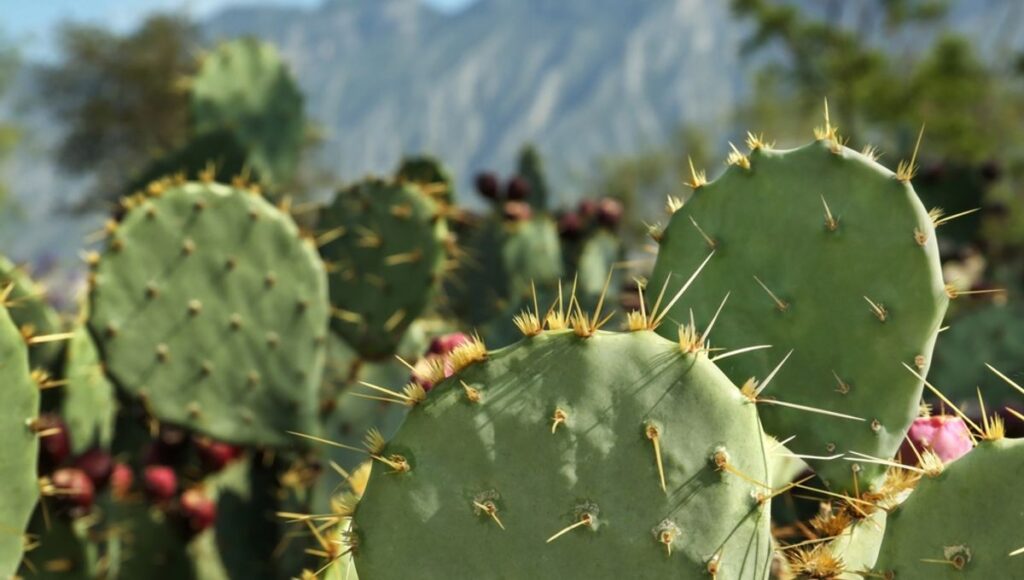
Cacti, nature’s marvels of xerophytic adaptation, thrive where few others dare to grow. Their thickened stems, clad in protective spines, serve not only as defense mechanisms but also as reservoirs, storing precious water in a relentless desert climate. Yet, this endurance is not a mere accident; it is the culmination of millions of years of evolutionary finesse. These plants embody a delicate balance between survival and scarcity, circumscribed by the unforgiving embrace of heat and drought. Understanding this natural finesse is crucial as we navigate how climate change disrupts—or paradoxically, sometimes bolsters—their ancient dominion.

Heatwaves and Shifting Rainfall Patterns: The Double-Edged Sword
Climate change manifests in a complex mosaic of environmental upheaval. Rising global temperatures have unleashed more frequent, and often more severe, heatwaves that test the limits of cacti’s storied resilience. While cacti are heat-tolerant, extreme temperature surges can disrupt their physiological processes, impairing photosynthesis and water retention mechanisms.
Furthermore, shifts in precipitation patterns—whether it is prolonged drought or erratic, unusually heavy rainstorms—pose significant challenges. On the one hand, prolonged lack of rainfall jeopardizes cacti’s precious water stores. On the other, sudden deluges can lead to root rot and soil erosion, conditions their shallow root systems are ill-equipped to handle. This precarious climatic dance threatens to destabilize the intricate ecosystem balance on which cacti and associated desert species depend.
Ecological Ripple Effects: Beyond the Cactus
The vulnerability of cacti ripples outward, affecting entire desert biomes. Many iconic desert animals—from desert tortoises to hummingbirds—rely heavily on cacti for food, water, and shelter. The Saguaro cactus, for instance, is a keystone species, its towering presence creating microhabitats that foster biodiversity.
If climate change diminishes cactus populations or alters their growth cycles, the consequences cascade through the food web. Pollinators may arrive too late or miss critical flowering periods, and animals reliant on cacti’s fruit and moisture face resource scarcity. What appears to be a solitary battle waged by plants is, in fact, a bellwether for ecosystem-wide upheaval—an intricate web stretched taut under the strain of a changing climate.

Unexpected Adaptations: Nature’s Ingenious Responses
In this unfolding narrative, the resilience of cacti is not merely passive endurance; it is sometimes marked by remarkable adaptive strategies. Certain species are displaying shifts in phenology—the timing of their flowering and fruiting—in response to warmer temperatures. These changes can offer competitive advantages, allowing cacti to optimize water use and reproductive success under altered conditions.
Moreover, research reveals some populations expanding their geographic range, moving into higher elevations or latitudes previously inhospitable due to cooler climates. While these movements suggest a hopeful adaptability, they also raise concerns about habitat fragmentation and competition with native species in new territories. This intricate dance between persistence and vulnerability encapsulates the enigmatic resilience of cacti amidst global change.
Cultivating Hope: The Role of Conservation and Science
Amid uncertainty, there lies promise. Scientists and conservationists are increasingly attuned to the critical role cacti play in desert ecosystems and the nuanced threats they face. Conservation programs focused on protecting native habitats, controlling invasive species, and fostering connectivity between cactus populations bolster their chances of survival.
Innovative scientific approaches, including climate modeling and genetic studies, are illuminating how cacti might respond to future climates—guiding targeted efforts to preserve genetic diversity and resilience. Public awareness campaigns, too, cultivate appreciation for these storied plants and their plight, inspiring action to mitigate climate change and safeguard desert biodiversity for generations to come.

The Greater Lesson: Reimagining Our Connection with Deserts
The saga of cacti and climate change invites us to reconsider deserts not as barren wastelands but as dynamic, richly woven tapestries of life. These plants challenge prevailing narratives of fragility, demonstrating that resilience is often learned through adversity. Their struggles and adaptations underscore the interconnectedness of climate, species, and ecosystems.
In paying closer attention to cacti and their shifting fortunes, we open a window into a broader ecological dialogue—a reminder that the health of deserts reflects the vitality of the planet itself. The impact of climate change on cacti is more than a botanical concern; it is a call to cultivate stewardship, curiosity, and wonder toward the natural world’s indefatigable spirit.
FAQ
What challenges do cacti face due to climate change?
Cacti face extreme heatwaves, irregular rainfall, and increased risk of root diseases, threatening their survival.
How does climate change affect animals dependent on cacti?
Changes in cactus populations and flowering times disrupt food and shelter availability for desert animals.
Can cacti adapt to climate change?
Yes, some cacti show adaptation through altered flowering schedules and range shifts to cope with new climates.
Why is cactus conservation important in the context of climate change?
Conservation helps maintain ecosystem balance, preserves biodiversity, and supports cactus resilience amid environmental changes.
Leave a Reply