
Short Answer
Can a cactus be more than just a prickly companion in the arid sprawl of desert landscapes? Ferocactus, with its fierce, barrel-shaped form and daunting spines, beckons designers and nature lovers alike to explore its intriguing potential. Yet, how does one masterfully incorporate such a bold and robust plant into a desert canvas without overwhelming or underwhelming the scene? The answer lies in thoughtful design and strategic placement, striking a balance between the Ferocactus’s rugged allure and the expansive tranquility of desert surroundings.
Understanding the Unique Charm of Ferocactus
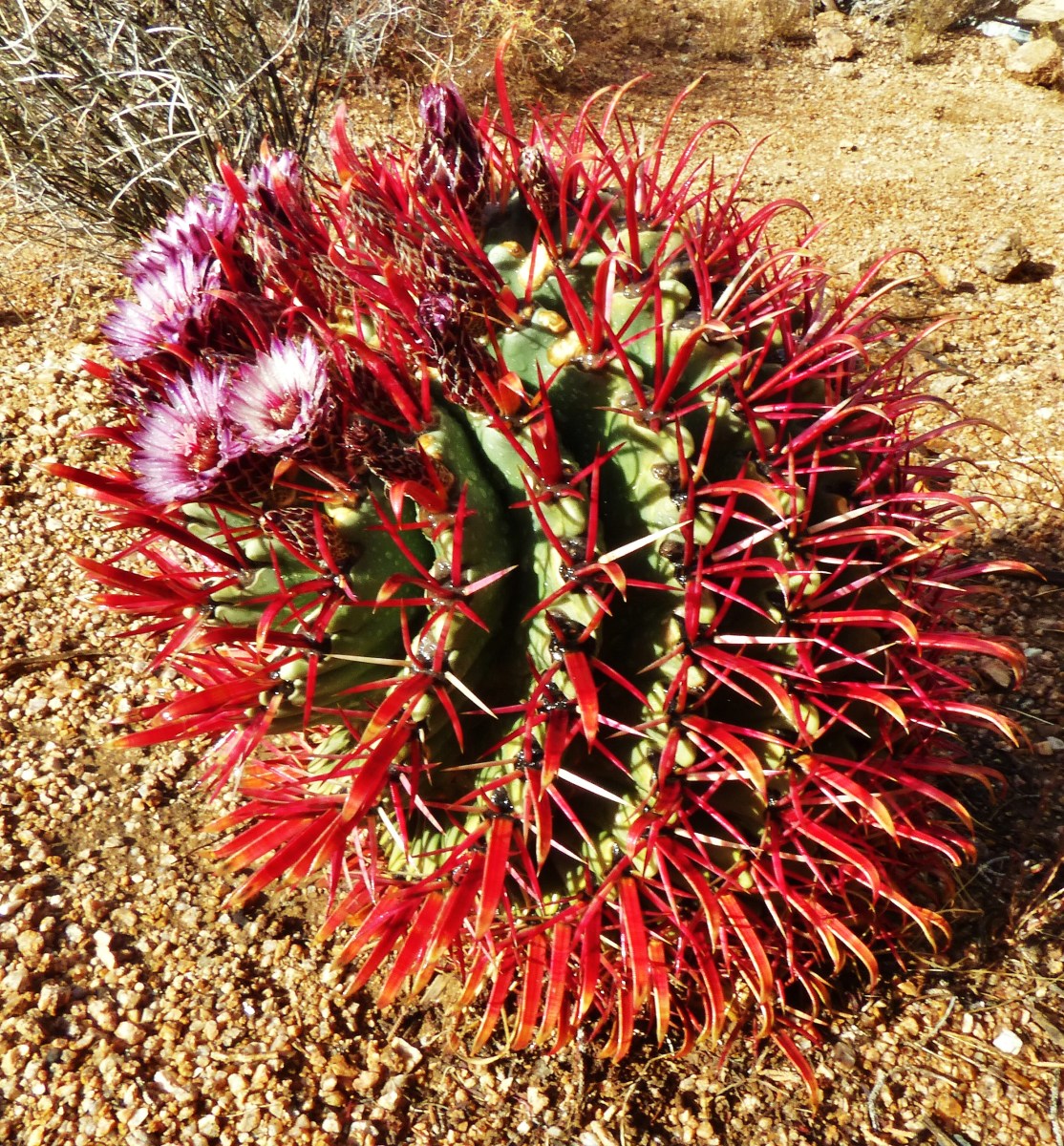
Ferocactus stands apart from its succulent kin with a presence that commands attention. These barrel cacti are characterized by stout, ribbed bodies armored in formidable spines that range in color from honey-gold to fiery red. Their dramatic form is not just a study in survival but a visual anchor in desert landscapes, offering both texture and a sculptural quality that few plants can match.
It’s important to recognize that Ferocactus doesn’t simply fill space; it dominates it. The large size and striking silhouette make it an ideal specimen for spotlighting, yet this very boldness poses a design conundrum—how to integrate it without overshadowing subtler desert elements like baja sages, yuccas, or native grasses.

Strategic Placement: Creating Visual Impact Without Clutter
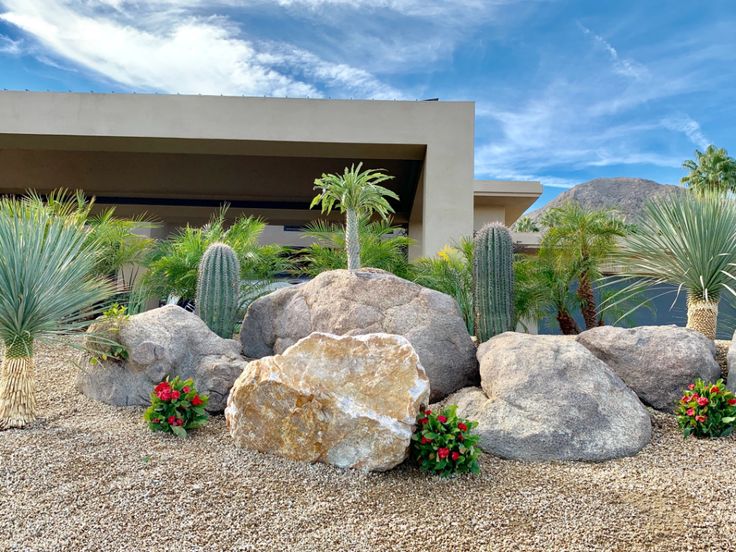
Placement is the cornerstone of any successful desert planting scheme involving Ferocactus. Given its size and dramatic form, the goal is to place it where it commands respect yet harmonizes with the broader landscape. Ideal locations often include elevated sandy berms or rocky outcrops where the cactus can boast its architectural silhouette against the desert skyline.
Consider natural sightlines and shadows cast throughout the day. Positioning Ferocactus where the midday sun emphasizes its ribbed texture, or where dusk light casts elongated, spiny shadows, can heighten its artistic impact. Avoid crowding it with too many neighboring plants. Instead, allow ample negative space to let the form breathe and to prevent a visual overload.
Balancing Texture and Contrast in Desert Palettes
One of the fascinating challenges in desert design is orchestrating textural symphony amidst a sometimes stark environment. Ferocactus offers a coarse, rigid texture unlike the soft, feathery foliage of desert grasses or the smooth leaves of agave. Complementing it with plants that provide contrast enhances the sensory intrigue of the space.
Soft, whispering desert grasses or trailing succulents such as sedum can soften the visual aggression of Ferocactus, adding layers that invite closer inspection. Combining earth tones with bursts of muted green or dusty blue brings color depth without detracting from the cactus’s fiery spine palette. Pebbles, sandstone, and coarse gravel can be employed as ground cover to echo the plant’s gritty aesthetic.
Practical Considerations: Thriving in Harsh Conditions
Ferocactus is no prima donna; it thrives under unforgiving desert conditions. Its drought tolerance and minimal soil demands make it an exemplary choice for xeriscaping efforts. However, planting these stalwarts requires mindful consideration of water drainage and soil alkalinity to prevent root rot and ensure longevity.
Since Ferocactus can grow quite large and heavy, ensuring a stable substrate is essential. Incorporating rock mulch around the base not only supports soil moisture retention but also mimics its natural environment, reducing transplant shock. Moreover, adequate spacing is necessary to accommodate mature growth, which might span considerable radius.
Incorporating Ferocactus into Functional Desert Spaces
Beyond its ornamental value, Ferocactus can be integrated into functional desert spaces—think outdoor seating areas, pathways, or meditation gardens. Imagine a circular stone bench encircling a stately Ferocactus, transforming it into a natural focal point where visitors pause to admire resilience personified.
Paths flanked by smaller barrel cacti can guide the eye while providing subtle boundary markers. Their spines act as natural deterrents, discouraging foot traffic in delicate zones. Using this trait cleverly can protect more fragile plantings or designate private spaces without resorting to artificial fencing.
Seasonal and Lighting Effects: Dynamic Desert Storytelling
Ferocactus isn’t static; its appearance transforms subtly through seasons. Though slow-growing, the cactus often sprouts bright yellow to red flowers at its apex in bloom season, injecting seasonal vibrancy into monochrome desert palettes. Highlighting this trait in garden planning elevates the landscape’s dynamism.
Lighting design can further amplify Ferocactus’s dramatic character after dusk. Carefully placed uplights can cast intricate shadows from its spiny ribs onto adjacent rock walls or sandy paths, creating an enchanting nocturnal display. Moonlight, too, interacts exquisitely with the cactus’s shape, turning it into a silhouette of mystique under the starlit desert sky.
Combining Ferocactus with Artifacts and Desert Architecture
Desert landscapes often feature rustic architectural elements—weathered wood, wrought iron, or adobe structures—that can harmonize spectacularly with Ferocactus. Positioning the cactus near a textured wall or aged sculpture can create a rich juxtaposition between organic and manmade forms, boosting the environment’s narrative depth.
Artful integration involves using the cactus as a natural pedestal or backdrop for desert ceramics or metal art, embedding storytelling elements into the landscape. These thoughtful pairings elevate the sense of place and showcase a dialogue between nature’s resilience and human creativity.
Conclusion: Mastering the Art of Ferocactus Integration
Far more than a prickly fixture, Ferocactus invites adventurous design that embraces both audacity and subtlety. The challenge is mastering its placement and pairing, harnessing its rugged beauty to sculpt desert spaces that tell compelling stories. When carefully composed with attention to scale, texture, and lighting, Ferocactus becomes the charismatic protagonist in any desert tableau—proof that even the harshest landscapes can harbor profound artistry.
FAQ
What is Ferocactus?
Ferocactus is a genus of barrel cacti known for their stout, ribbed bodies and formidable spines, thriving in desert environments.
How should I place Ferocactus in my garden?
Place Ferocactus in elevated areas or rocky outcrops to highlight its architectural form, ensuring there is ample negative space around it.
What plants complement Ferocactus?
Soft desert grasses and trailing succulents can provide contrast to Ferocactus, enhancing the visual appeal of the landscape.
Leave a Reply