
Short Answer
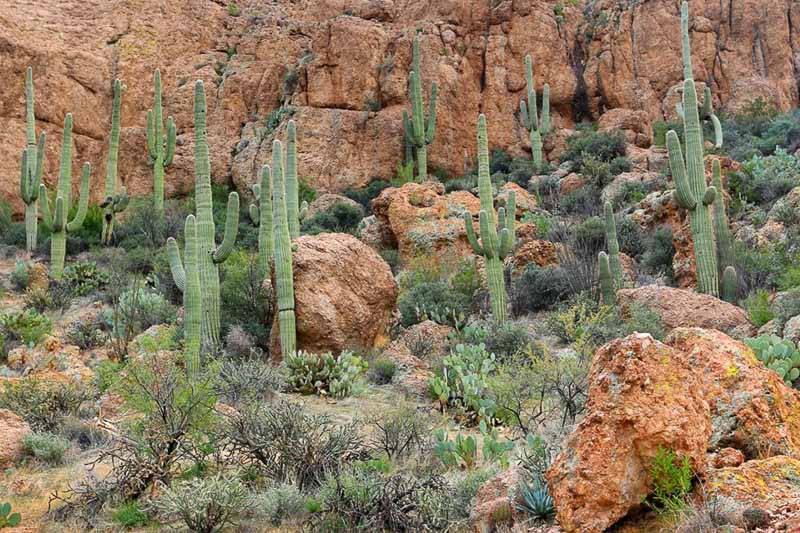
In the arid heart of the desert, where life clings to the thinnest sliver of moisture, the cactus stands as a sentinel of resilience. Its spines, sharp as a poet’s wit, and its flesh, plump with stored vitality, tell a story of survival against the odds. But what if that cactus, so proudly displayed in your home or garden, carries a shadow of exploitation? The allure of these desert jewels is undeniable, yet their journey from wild or cultivated soil to your windowsill is often shrouded in ambiguity. How can you, the discerning enthusiast, ensure that your cactus was not plucked from the earth like a rare gem, leaving ecological wounds in its wake? The answer lies not in blind trust, but in the art of verification—a detective’s pursuit wrapped in the quiet dignity of stewardship.
The Roots of Responsibility: Why Ethical Sourcing Matters
Imagine a cactus as a living tapestry, woven from threads of sunlight, soil, and time. Each spine, each fold of its flesh, is a testament to the delicate balance of its ecosystem. When a cactus is uprooted from its native habitat without thought, it’s not just a plant that’s taken—it’s a thread torn from the fabric of biodiversity. The desert, though seemingly barren, is a tapestry of interwoven life, where every organism plays a role in the grand symphony of survival. Removing a cactus without regard for its ecological role can disrupt this harmony, leaving behind a landscape that is as impoverished as a library stripped of its most profound tomes.
Ethical sourcing isn’t merely a moral checkbox; it’s a commitment to preserving the integrity of these desert wonders. It ensures that the cactus you bring into your home is not a victim of ecological plunder but a participant in a sustainable cycle. The responsibility doesn’t end with the plant’s survival—it extends to the communities and ecosystems that nurture it. By choosing ethically sourced cacti, you become a guardian of the desert’s legacy, ensuring that future generations can marvel at these prickly marvels just as you do.
The Paper Trail of Purity: Certifications and Documentation
In the world of cacti, as in the world of fine art or rare wines, provenance is everything. A cactus without a documented history is like a ghost—present in your home, yet absent in spirit. To verify its ethical sourcing, you must demand a paper trail as meticulous as that of a royal lineage. Look for certifications that vouch for sustainable cultivation practices, such as those awarded by organizations dedicated to ethical horticulture. These certifications are the cactus equivalent of a fair-trade label, assuring you that the plant was not wrenched from the wild but nurtured in conditions that respect its natural rhythms.
But documentation alone isn’t enough. Dig deeper. Ask the seller for records of the cactus’s journey—where it was grown, how it was propagated, and whether any wild specimens were involved. A reputable vendor will not shy away from these questions; they will revel in the opportunity to showcase their commitment to transparency. If the answers are vague or nonexistent, consider it a red flag waving as ominously as a cactus spine. The best sellers are those who treat their plants like family heirlooms, each with a story to tell and a legacy to uphold.
The Silent Witnesses: Local Growers and Indigenous Knowledge
In the desert’s embrace, indigenous communities have cultivated cacti for centuries, their knowledge passed down like whispered secrets from one generation to the next. These growers understand the cactus not as a commodity, but as a kin—a living entity deserving of respect and care. By sourcing your cactus from local growers or indigenous communities, you align yourself with a tradition of stewardship that predates modern horticulture by millennia. These growers often employ time-honored techniques that ensure the cactus thrives without depleting the land, a practice as elegant as a desert bloom unfurling at dawn.
Seek out nurseries or cooperatives that collaborate with indigenous groups, ensuring that the cacti you bring home are not just products, but participants in a cultural legacy. When you purchase from these sources, you’re not just buying a plant—you’re investing in a story, a heritage, and a future where the desert’s magic is preserved for generations to come. The cactus becomes more than a decorative piece; it becomes a bridge between past and present, a living testament to the wisdom of those who have walked the desert sands long before you.
The Desert’s Whisper: Observing the Plant’s Story
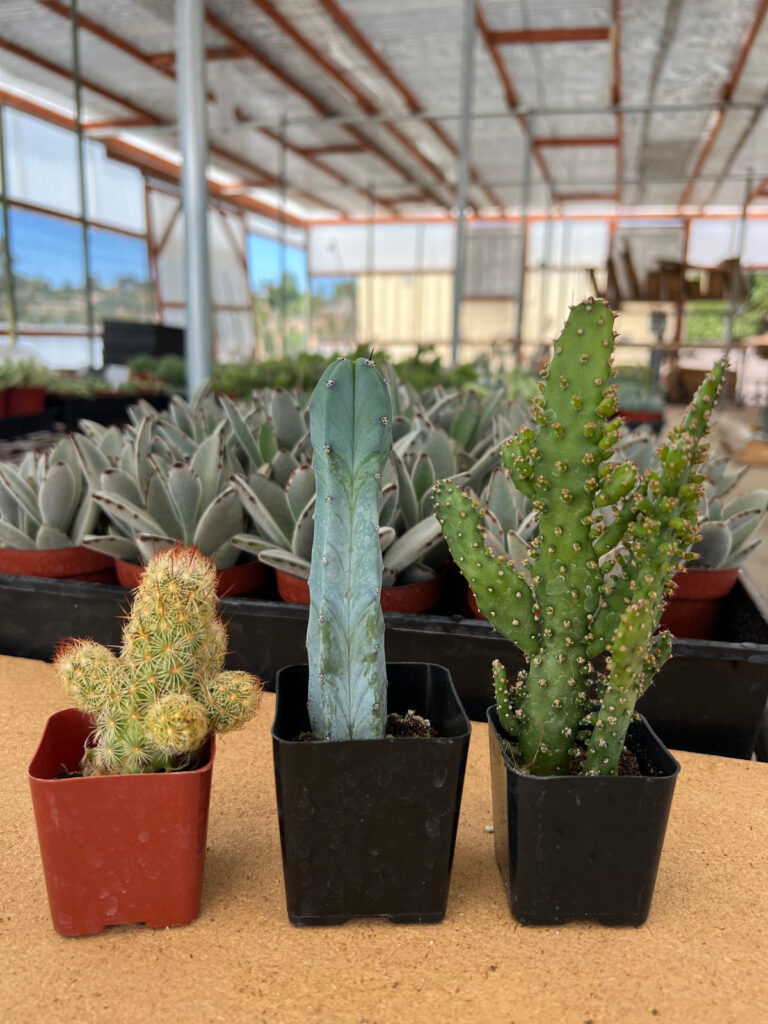
A cactus, like any living thing, carries the imprints of its life in its very being. Examine it closely, as if reading the lines of a palm. Are its spines uniformly spaced, suggesting careful cultivation, or do they appear uneven, hinting at a hasty extraction from the wild? Does its flesh bear the smooth, unblemished texture of a plant that has been nurtured in controlled conditions, or does it show signs of stress, like a desert wanderer who has been plucked too soon from its home? The answers to these questions are etched into the cactus itself, waiting to be deciphered by those who know how to listen.
Look for signs of ethical propagation, such as offsets (baby cacti) that have been carefully separated from the parent plant, or a root system that suggests it was grown in soil rather than torn from the earth. A cactus that has been ethically sourced will often have a more robust and healthy appearance, its colors vibrant and its structure intact. Conversely, a cactus that appears stunted or discolored may be a silent cry for help—a plea to be returned to the soil where it belongs. By learning to read these subtle signs, you become a connoisseur of cacti, capable of distinguishing between a plant that has been cherished and one that has been exploited.
The Chain of Custody: Tracing the Cactus’s Journey
Every cactus has a journey, a path that winds from seed to soil to shelf. To verify its ethical sourcing, you must trace this path like a detective following a trail of breadcrumbs. Start with the seller. Do they grow their own cacti, or do they source them from wholesalers? If the latter, ask for the names of those wholesalers and inquire about their sourcing practices. A reputable seller will have no qualms about connecting you to the next link in the chain, ensuring that each step of the journey is accounted for.
If the cactus was imported from another region or country, research the regulations and practices of that area. Some regions have strict laws protecting native cacti, while others may turn a blind eye to illegal harvesting. Be wary of cacti that arrive with little to no documentation, as they may be the product of black-market trade. The best cacti are those with a transparent journey, each stop on their path marked by care, respect, and a commitment to sustainability. By demanding this transparency, you become a force for change in an industry that often prioritizes profit over preservation.
The Ripple Effect: How Your Choice Shapes the Future
Every purchase is a vote—a declaration of the world you want to live in. When you choose an ethically sourced cactus, you cast a vote for sustainability, for biodiversity, and for the preservation of the desert’s fragile beauty. Your choice sends a ripple through the industry, encouraging more growers to adopt ethical practices and more sellers to prioritize transparency. It’s a small act, but one with the potential to create waves of change, like a single drop of water carving a canyon over time.
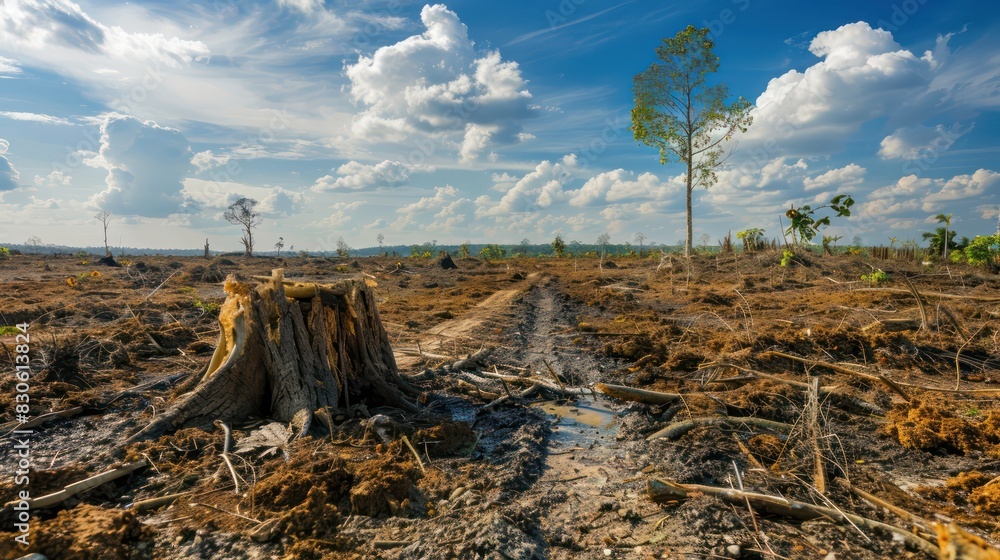
Conversely, purchasing a cactus without regard for its origins contributes to a cycle of exploitation. It fuels the demand for wild-harvested plants, driving unscrupulous collectors to scour the desert for specimens to sell, leaving behind barren landscapes and disrupted ecosystems. The cactus trade, like any industry, responds to consumer demand. By choosing ethically sourced plants, you become a guardian of the desert, ensuring that its wonders are not plundered but preserved. Your home becomes a sanctuary not just for the cactus, but for the story it carries—a story of respect, of care, and of the delicate balance between human desire and ecological integrity.
The Final Thorn: A Call to Action
The cactus in your home is more than a decorative piece; it’s a living reminder of the choices you make. It’s a symbol of your commitment to the planet, to the communities that nurture these plants, and to the future of the desert. So the next time you admire your cactus, ask yourself: Does it tell a story of exploitation, or one of ethical stewardship? If the answer isn’t clear, it’s time to dig deeper, to seek out the truth, and to make a choice that aligns with your values.
Start by educating yourself. Learn the signs of ethical sourcing, the importance of certifications, and the value of indigenous knowledge. Support growers and sellers who prioritize transparency and sustainability. And most importantly, share your knowledge with others. The more people who understand the importance of ethical sourcing, the greater the impact will be. Together, we can ensure that the cactus—this resilient, majestic, and often misunderstood plant—continues to thrive, not just in our homes, but in the wild landscapes that gave it life.
FAQ
What is the main concern when buying cacti?
The main concern is whether the cactus was ethically sourced, as many are harvested from the wild, which can harm ecosystems.


Leave a Reply