
Short Answer
Have you ever wondered where you can discover the living sculptures of the desert—those iconic, spiny sentinels known as cacti? These botanical marvels captivate with their quirky forms and resilient spirit, thriving in some of the most inhospitable landscapes on Earth. Yet, seeking out the best wild cacti habitats poses a playful challenge. Which desert vistas hold the most spectacular cacti displays, and how does one navigate these arid realms without becoming overwhelmed? Join a journey through sun-drenched valleys, rugged plateaus, and dusty foothills where these prickly wonders reign supreme.
The Sonoran Desert: A Kingdom of Saguaro Giants
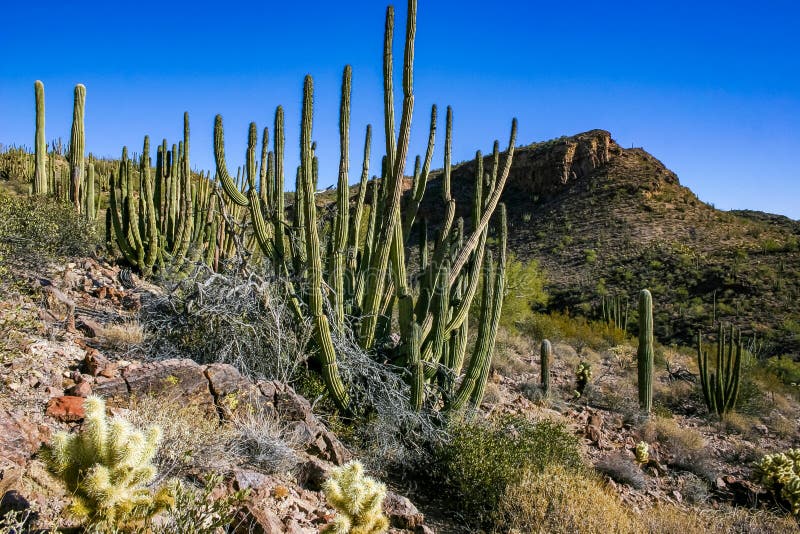
Begin your adventure in the Sonoran Desert, a sanctuary stretching across southern Arizona and northern Mexico. This desert is the paramount realm of the majestic saguaro cactus, a towering colossus often compared to natural skyscrapers. The saguaro’s iconic arms reach skyward, casting long, dramatic shadows as the sun dips below the horizon. Witnessing these giants en masse is nothing short of mesmerizing—it’s as if an army of green sentinels guards the desert, stoic and timeless.
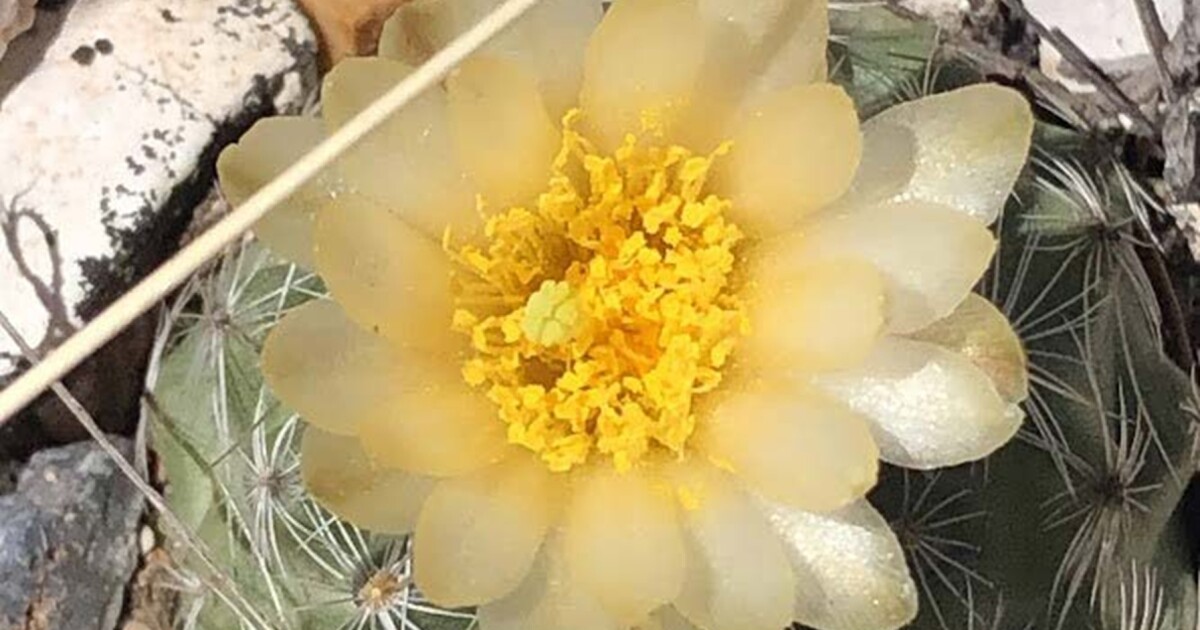
However, the Sonoran Desert is not just about size; it boasts an extraordinary biodiversity of cacti species. From the colorful claret cup cactus with its brilliant crimson blooms to the delicate teddy-bear cholla, this desert is a tapestry of textures and hues. The challenge here lies in visiting when the cacti are at their photographic best—springtime, when many species burst into vibrant flower, painting the desert with unexpected bursts of color.

The American Southwest: Sculptures of Stone and Spine
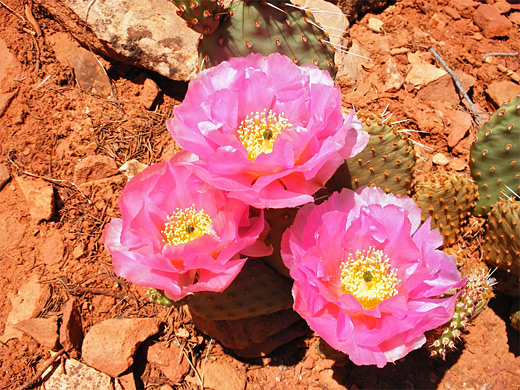
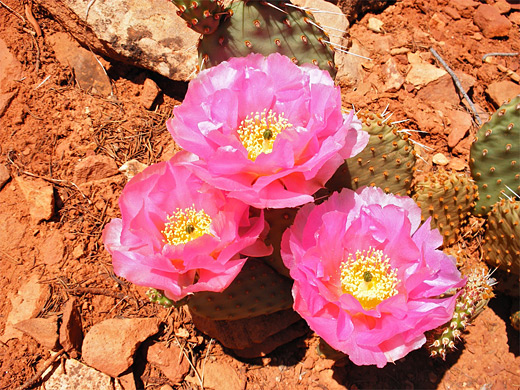
Moving northward, the American Southwest offers an extraordinary canvas where cacti interplay with stunning topography. Here, rugged plateaus and canyons showcase species like the opuntia macrorhiza, commonly known as the plains prickly pear. This cactus stands out with its flattened pads and vibrant yellow flowers, contrasting sharply against the rust-colored rock formations.
Explorers delight in this region not only because of the visual feast but also due to the varied environments. The interface between desert and mountainous terrain leads to unexpected microclimates where rare cacti species flourish. Yet, this delightful diversity comes with a logistical puzzle: how to traverse remote areas without disturbing fragile ecosystems? Careful planning and guided tours can unlock hidden treasures without compromising nature’s balance.
Chihuahuan Desert: The Understated Wonder
Farther south and east lies the vast Chihuahuan Desert, an often overlooked but extraordinary refuge for cacti aficionados. This desert’s elevation gives rise to unique species such as the magnificent agave and the formidable hedgehog cactus. The terrain undulates between stark desert plains and jagged mountain ranges, lending an unpolished wildness that rewards the patient observer.
Spotting these botanical gems can seem like a game of hide and seek, as many species hunker down in rocky outcrops or blend seamlessly with the desert’s muted palette. Nevertheless, spring rains tempt even the shyest cacti to flourish, offering bursts of ephemeral blooms. This fleeting spectacle is a tantalizing challenge for the intrepid traveler willing to immerse themselves in the desert’s rhythms.
Baja California: The Island of Cacti Marvels
Crossing the border into Mexico’s Baja California Peninsula reveals an insular paradise where desert meets the ocean. The peninsula is renowned for its endemic cacti species, some of which display singular forms unlike anywhere else on the planet. Imagine wandering near the Sea of Cortez, where stout, barrel-shaped cacti punctuate the landscape with muted green and silver tones, and rare species such as the Boojum tree elevate the alien aesthetic to new heights.
The peninsula’s semi-arid climate produces some of the most sculptural, other-worldly cacti formations. Yet, access can be demanding. Committing to long drives on unpaved roads or hiking remote trails tests one’s resolve, rewarding those who dare with pristine encounters far from crowded tourist paths. It is a place where solitude underscores the wild spirit of cacti.
Preparing for a Cacti Safari: Tips and Considerations
Embarking on a quest to witness wild cacti demands more than enthusiasm; it requires mindfulness and preparation. These dry lands, while breathtaking, are often rugged and unforgiving. Proper hydration, sun protection, and sturdy footwear are essential. In addition, awareness of local regulations helps preserve delicate ecosystems and ensures that these natural wonders remain protected for generations.
Moreover, timing can make all the difference. Blooms transform otherwise austere landscapes into vibrant spectacles, but these floral displays can be brief and unpredictable. Consulting with local experts or park rangers may unveil the best windows for your visit. Lastly, while photography is irresistible, approaching cacti with care—avoiding touching or damaging their spines—is a gesture of deep respect for these resilient plant artists.
In sum, the wild world of cacti beckons with its paradoxes: fragile yet enduring, spiny yet beautiful, lonely yet collective. These landscapes challenge the curious to look beyond the harsh exterior and celebrate life in its most tenacious form. So, are you ready to answer the call of the desert and meet the mesmerizing cacti where they thrive unbridled?
FAQ
What are the best places to see cacti in the wild?
Some of the best places include the Sonoran Desert, American Southwest, Chihuahuan Desert, and Baja California.
When is the best time to visit cacti habitats?
Spring is often the best time to visit, as many cacti species bloom during this season.
What should I prepare for a cacti safari?
Proper hydration, sun protection, sturdy footwear, and awareness of local regulations are essential.


Leave a Reply