
Short Answer
There’s something undeniably captivating about cacti—their resilience, their spiky silhouettes, and the surprising softness some conceal beneath their exterior. These desert dwellers have transcended mere botanical interest to become a cultural and educational phenomenon, especially within the classroom. Teachers across the nation are embracing cacti as a thematic muse to transform learning environments from mundane to mesmerizing. But why does this prickly plant generate such fascination, and how can educators harness its unique allure to enrich the classroom experience? Let’s embark on a journey through creative cactus-inspired classrooms where nature, artistry, and pedagogy converge.
The Subtle Majesty of Cacti: More Than Just a Plant
Cacti embody survival against all odds. Their very existence is a study in adaptation—thriving in arid, unforgiving environments where others falter. This echoes the broader narrative of perseverance that resonates deeply with teachers and students alike. Within the classroom, the cactus becomes a living metaphor for resilience and tenacity.
Unlike traditional leafy plants, cacti’s thick, sculptural forms invite curiosity and tactile engagement. They defy expectations of softness while inviting observation of their intricate geometry. This duality sparks conversations about appearances versus realities, providing fertile ground for lessons in science, art, and social-emotional growth.
Designing a Cactus-Themed Classroom: Visual and Sensory Engagement
Integrating a cactus motif into the classroom visual language is more than an aesthetic choice; it nurtures an immersive learning atmosphere. The color palette is inspired by desert hues—sun-faded ochres, sage greens, and twilight purples—offering a calming yet invigorating backdrop for learning.
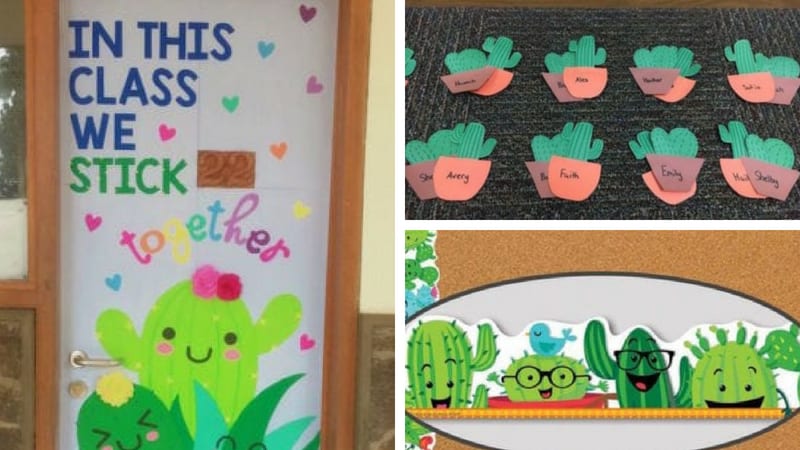
Classroom decorations embrace natural wood textures and minimalist succulents alongside cactus illustrations and posters. Handmade labels featuring stylized cacti aid literacy while adding charm. This environment subtly encourages mindfulness and attentiveness, as students find themselves surrounded by elements both novel and nature-infused.
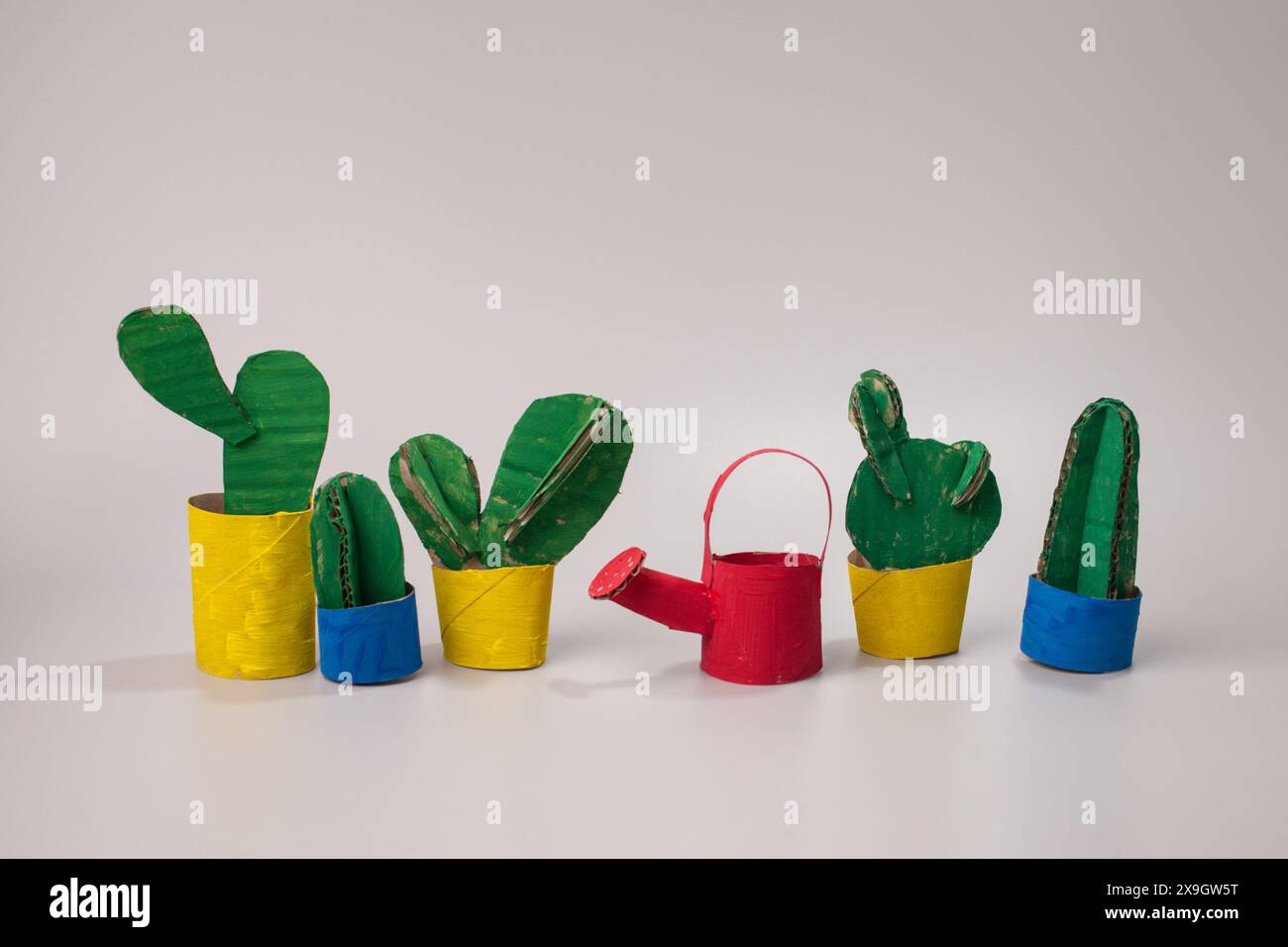
Three-dimensional cactus models or DIY paper cacti can be arranged on desks or shelves, creating sensory experiences that make the theme tangible. These tactile props enable younger students especially to explore texture, shape, and even symmetry without leaving their seats.

Incorporating Cacti Into Curriculum: Cross-Disciplinary Opportunities
Cacti serve as a springboard for myriad subject areas. In science, they introduce key concepts such as xerophytes, photosynthesis adaptations, and ecosystems of arid regions. Students study how these plants conserve water, prompting comparisons to human adaptations and survival strategies.
Mathematics comes alive through analyzing cactus shapes and patterns. Their spines often follow Fibonacci sequences and golden ratios, providing visually captivating lessons in geometry and number theory.
Language arts can weave cactus symbolism into creative writing prompts or poetry, challenging students to explore themes of endurance, isolation, and growth. Social studies may also be enhanced by investigating the cultural significance of cacti in Indigenous traditions and Southwestern U.S. heritage.
Cultivating Responsibility: Caring for Classroom Cacti
Having live cacti in the classroom teaches stewardship and responsibility with an easy-to-maintain touch. Unlike many plants, cacti require minimal watering and can tolerate neglect, making them ideal “first plants” for students learning about flora maintenance.
Establishing watering schedules, involving students in monitoring plant health, and recording growth over time cultivates observational skills and patience. These small caretaking rituals foster a nurturing mindset, helping children appreciate the balance between independence and attentiveness.
Social-Emotional Learning Through Cactus Themes
The cactus’s paradoxical nature—harsh yet beautiful, resilient yet vulnerable—is a powerful allegory for emotional growth and self-protection. Teachers can use cactus-themed discussions and activities to facilitate emotional literacy. For example, students might explore how one can maintain boundaries (like prickles) while still being approachable and kind.
Storytelling circles and social problem-solving scenarios inspired by cacti encourage empathy and self-awareness. Children learn that just like these plants, they too can thrive in challenging conditions by nurturing inner strength and balancing openness with self-care.
Community Building and Cactus-Themed Celebrations
Cactus themes serve as excellent catalysts for classroom communities to bond. Plan cactus-inspired celebrations such as “Desert Day” where students dress in themed attire, participate in cactus-related games, or create art projects involving sand, rocks, and miniature succulents.
These festivals ignite enthusiasm and foster team-building while connecting classroom activities to broader environmental and cultural awareness. Students come away with a sense of shared identity and pride in their creative and intellectual involvement.

Conclusion: The Enduring Appeal of the Classroom Cactus
The humble cactus does not just adorn the classroom; it transforms it. Its presence sparks curiosity, fuels interdisciplinary learning, and embodies profound life lessons. In embracing this emblem of resilience and beauty, teachers cultivate environments where students are inspired to grow, adapt, and flourish.
Whether through visual design, curriculum integration, or social-emotional learning, the cactus offers endless opportunities to invigorate educational spaces. At once prickly and poetic, it invites all who enter to pause, reflect, and persevere—just like this enchanting plant from the desert.
FAQ
How can cacti be integrated into classroom activities?
Cacti can be used as thematic elements in visual design, science lessons, and social-emotional learning activities, helping to engage students across various subjects.
What are some benefits of having cacti in the classroom?
Cacti teach responsibility, promote mindfulness, and serve as metaphors for resilience and adaptability, enriching students’ learning experiences.



Leave a Reply