
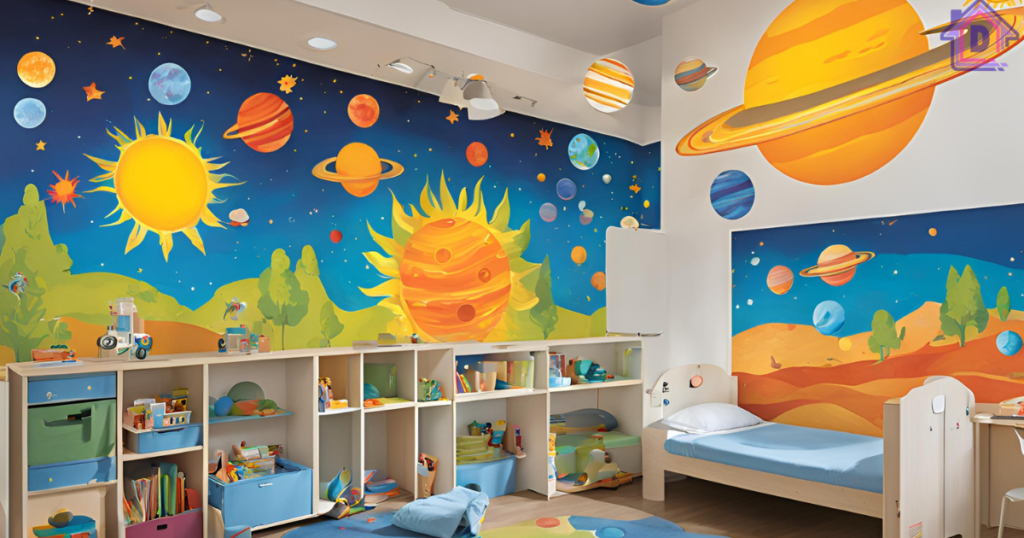
Short Answer
Have you ever considered how a humble cactus could transform a child’s room from a mere sleeping space into a vibrant hub of learning and imagination? In an era where educational decor is gaining momentum, the unassuming cactus stands out as a quirky, resilient, and surprisingly versatile addition to kids’ spaces. But is it merely a decorative flourish, or can it serve a deeper purpose in fostering creativity and curiosity? Let’s dig into the prickly yet playful world of cacti in children’s rooms, where every spine tells a story and every pot holds a lesson.
The Cactus as a Symbol of Resilience and Growth
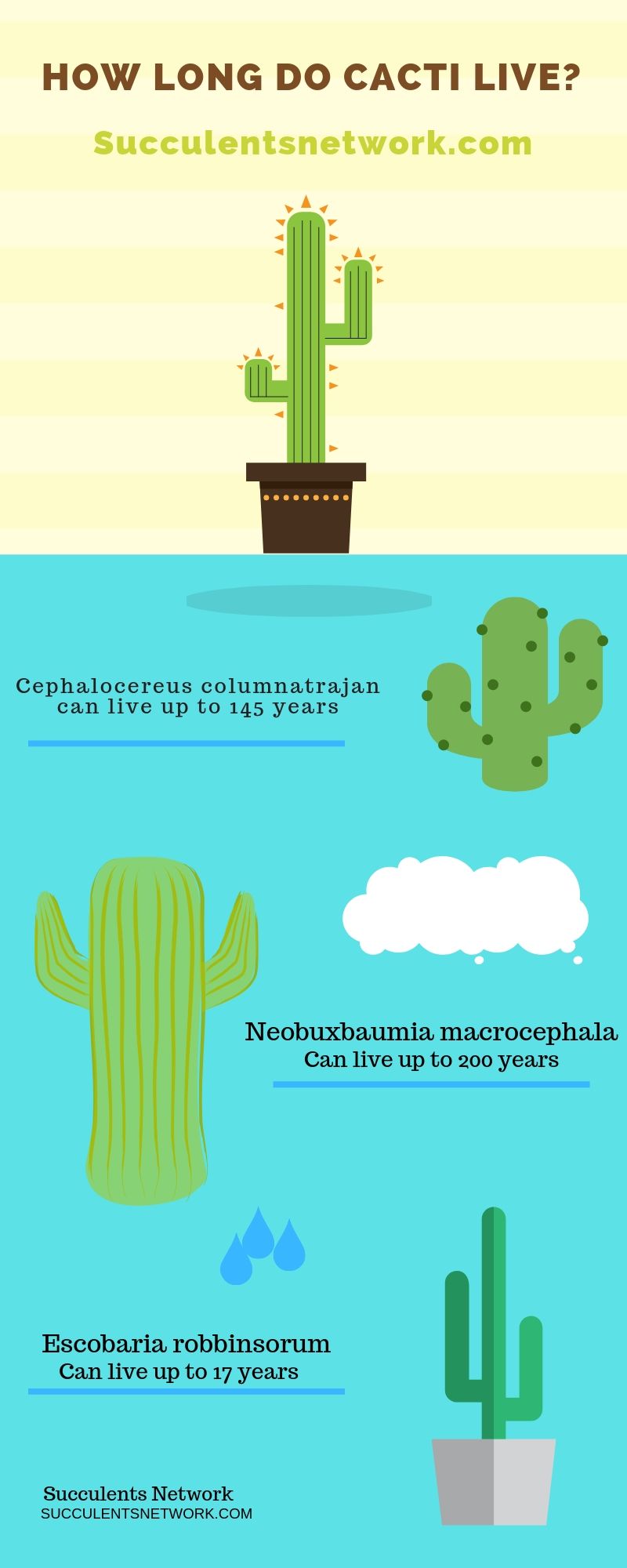
Children, much like cacti, are inherently resilient. They adapt, grow, and thrive even in the most challenging environments. Introducing a cactus into their room isn’t just about aesthetics—it’s about embedding a living metaphor into their daily lives. A cactus thrives with minimal water, teaching kids the value of patience and perseverance. Its slow but steady growth mirrors the incremental progress children make in their learning journeys. Imagine a child waking up to a spiky green companion that silently reminds them: “Growth takes time, but it’s worth the wait.” This subtle lesson in delayed gratification can be a powerful counterbalance to the instant-everything culture that surrounds them today.
Moreover, the cactus’s ability to store water in its thick, fleshy stem introduces an unexpected biology lesson. Parents can turn watering routines into mini science experiments, explaining how the plant conserves resources to survive arid conditions. It’s a tangible way to connect abstract ecological concepts to something tangible and visually engaging. Who knew a plant could be both a teacher and a trendsetter?
Playful Learning: Cacti as Educational Catalysts
Beyond symbolism, cacti can serve as dynamic educational tools. Picture a child’s room adorned with a cactus-themed alphabet poster, where each letter is paired with a fun fact about desert flora. “A is for Agave, B is for Barrel Cactus”—suddenly, learning the alphabet becomes an adventure through the sun-scorched landscapes of the Southwest. The tactile nature of these decorations, from plush cactus pillows to wooden letter blocks, engages multiple senses, reinforcing memory through touch and sight.
For older children, a cactus-themed growth chart can turn a mundane task into a celebratory ritual. Each year, they measure their height against the spiky silhouette, watching their progress unfold like the unfolding petals of a blooming cactus flower. It’s a playful yet meaningful way to mark milestones without the pressure of traditional charts. And let’s not forget the math potential—counting spines, measuring pot sizes, or even calculating how much water the plant needs based on its growth rate. Who said math couldn’t be prickly?
The Aesthetic Appeal: Why Cacti Are the Ultimate Decor Trend
From a design perspective, cacti bring a unique blend of whimsy and sophistication to children’s rooms. Their bold, architectural shapes contrast beautifully with soft pastels or earthy neutrals, creating a balanced visual appeal. A cluster of small cacti in terracotta pots can add a desert chic vibe, while a single large specimen in a sleek white planter exudes modern minimalism. The versatility of cactus decor allows it to adapt to any room theme, whether it’s a boho-chic jungle escape or a futuristic space odyssey.
Textiles play a crucial role here. Imagine a duvet cover adorned with a cartoon cactus donning sunglasses, or a rug featuring a sprawling cactus forest. These elements don’t just fill space—they create a cohesive narrative that sparks the imagination. Children love to weave stories around their surroundings, and a cactus-themed room provides the perfect backdrop for adventures in the “Great Cactus Desert” or tales of brave explorers taming the prickly guardians of the sand.
Potential Challenges: Navigating the Prickly Side of Cactus Decor
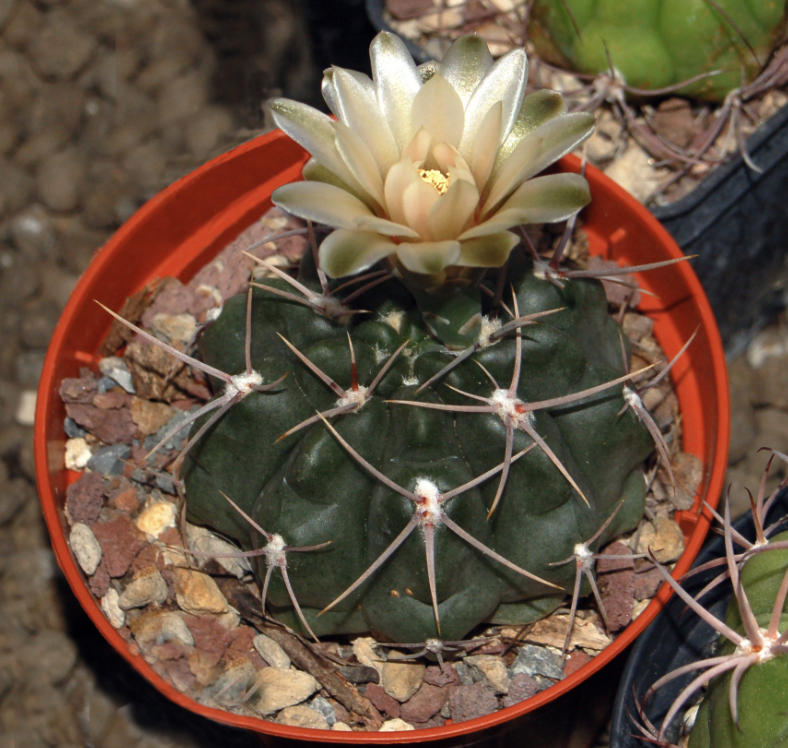
Of course, no decor choice is without its caveats. The most obvious challenge? Safety. Cacti, with their sharp spines, pose a risk to curious toddlers who might be tempted to poke, prod, or even taste their new green friend. The solution lies in strategic placement—high shelves, hanging planters, or cacti with minimal spines (like the Bunny Ears Cactus) can mitigate risks without sacrificing style. For parents of very young children, faux cacti made from soft fabric or plush materials offer a safe alternative that still delivers the aesthetic.
Another consideration is maintenance. While cacti are low-maintenance, they’re not no-maintenance. Overwatering is a common pitfall, leading to root rot and a sad, mushy demise. Teaching children the importance of responsibility through plant care can be rewarding, but it requires patience and consistency. A weekly “cactus check-in” where they observe the soil and decide whether it needs water can turn a chore into a cherished routine. For families with hectic schedules, opting for ultra-low-maintenance varieties like the Snake Plant (which, despite its name, shares the cactus’s love for neglect) can be a practical compromise.
Cultivating Creativity: Beyond the Cactus Itself
The magic of cactus decor extends beyond the plant itself. It can inspire a broader theme that infuses the entire room with creativity. Think of a “Desert Explorer” corner where a cactus stands guard alongside a DIY sand art station, a world map highlighting desert regions, or a bookshelf stocked with tales of desert adventures. The cactus becomes the linchpin of a larger narrative, encouraging children to explore geography, ecology, and storytelling in a cohesive, immersive way.
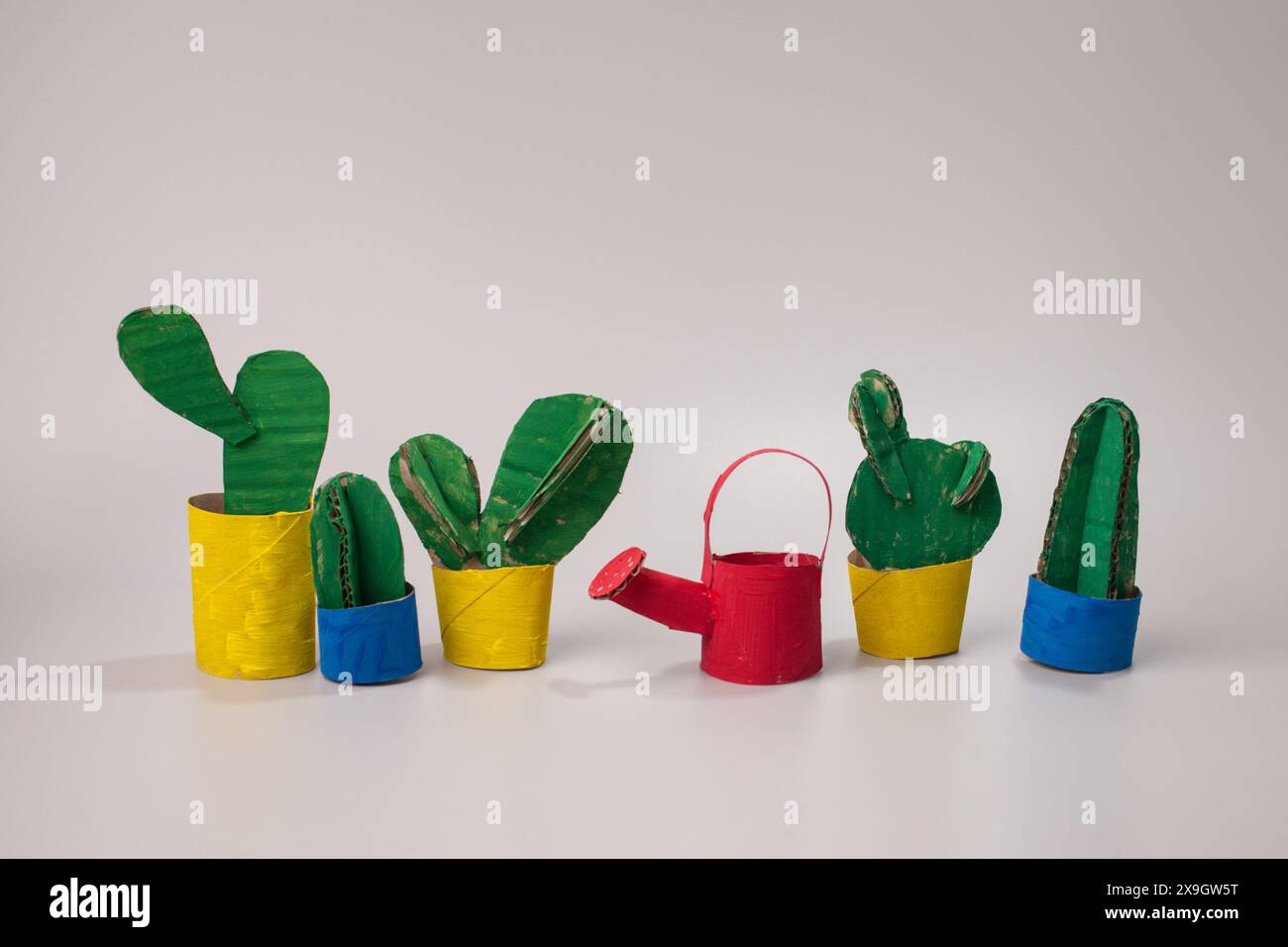
Art projects centered around cacti can also foster fine motor skills and artistic expression. Children can paint their own cactus pots, create cactus-shaped bookmarks, or even design a “cactus garden” using recycled materials. The tactile engagement of shaping clay or arranging pebbles around a plant pot transforms decorating into an activity that blends art, science, and play. And let’s not underestimate the joy of a child proudly presenting their handmade cactus to the family—a tangible symbol of their creativity and growth.
Conclusion: A Spiky Stepping Stone to Lifelong Learning
So, is a cactus in a child’s room just a trendy decor choice, or is it a gateway to deeper learning and resilience? The answer, much like the growth of a cactus itself, lies in the layers. It’s a plant that teaches patience, a design element that sparks joy, and a symbol that quietly reinforces life’s most valuable lessons. The key is to approach it with intention—choosing the right variety, integrating it thoughtfully into the room’s theme, and turning its care into a shared adventure.
In a world where children’s spaces are often cluttered with plastic toys and fleeting trends, the cactus stands as a steadfast reminder of nature’s quiet wisdom. It doesn’t shout for attention; it simply grows, adapts, and blooms in its own time. And perhaps that’s the most valuable lesson of all: that the most profound growth often happens slowly, steadily, and with a few well-placed spines along the way.
FAQ
What are the benefits of having a cactus in a child's room?
Cacti can serve as both decorative elements and educational tools, teaching children about patience, responsibility, and ecology.
Are there safe cactus options for young children?
Yes, options like the Bunny Ears Cactus or faux cacti can be safer alternatives for young children.
FAQ
What are the benefits of having cacti in kids' rooms?
Cacti can serve as playful decor that teaches kids about resilience, patience, and ecology while also sparking creativity through themed decorations.
How can I ensure my child's safety with cacti in their room?
Place cacti out of reach of small children and consider using varieties with minimal spines or opting for faux cacti.
FAQ
What are the benefits of having a cactus in a child's room?
Cacti can teach resilience and patience, serve as educational tools, and enhance room aesthetics.
Are cacti safe for young children?
While cacti can pose safety risks due to their spines, selecting low-spine varieties and proper placement can mitigate these concerns.
FAQ
What are the benefits of having a cactus in a child's room?
Cacti can teach children about resilience, biology, and responsibility while serving as engaging decor.
Are there safe cacti options for children's rooms?
Yes, varieties like the Bunny Ear Cactus have minimal spines, and faux cacti can also be used for safety.


Leave a Reply