
Short Answer
Have you ever wondered how a plant can survive in the scorching desert with hardly any water? Imagine trying to live in a place where rainfall is as rare as a snowflake in July! Cacti are nature’s incredible survivors, thriving in some of the toughest environments on Earth. But what makes these prickly plants so fascinating? Let’s embark on a journey to uncover some thrilling cactus facts that will not only surprise you but maybe even challenge you to see these spiky wonders in a whole new light!
The Marvelous Adaptations of Cacti
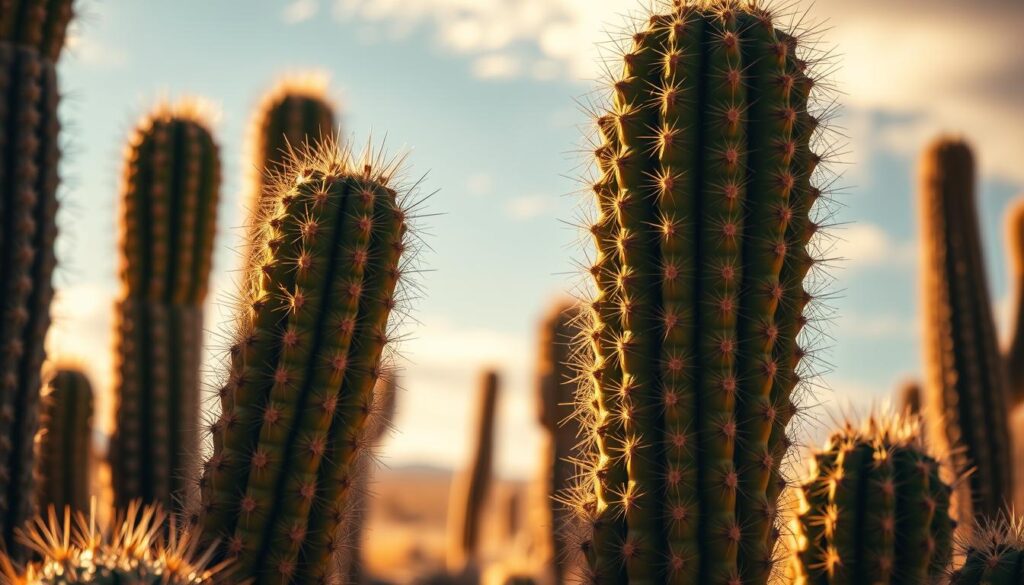
How does a cactus manage to live where most plants would simply wither away? The secret lies in its extraordinary adaptations. Unlike ordinary plants, cacti have thick, fleshy stems that store precious water, allowing them to endure long dry spells. Instead of leaves, their green stems perform photosynthesis, which is the process plants use to turn sunlight into food. This clever modification helps reduce water loss.
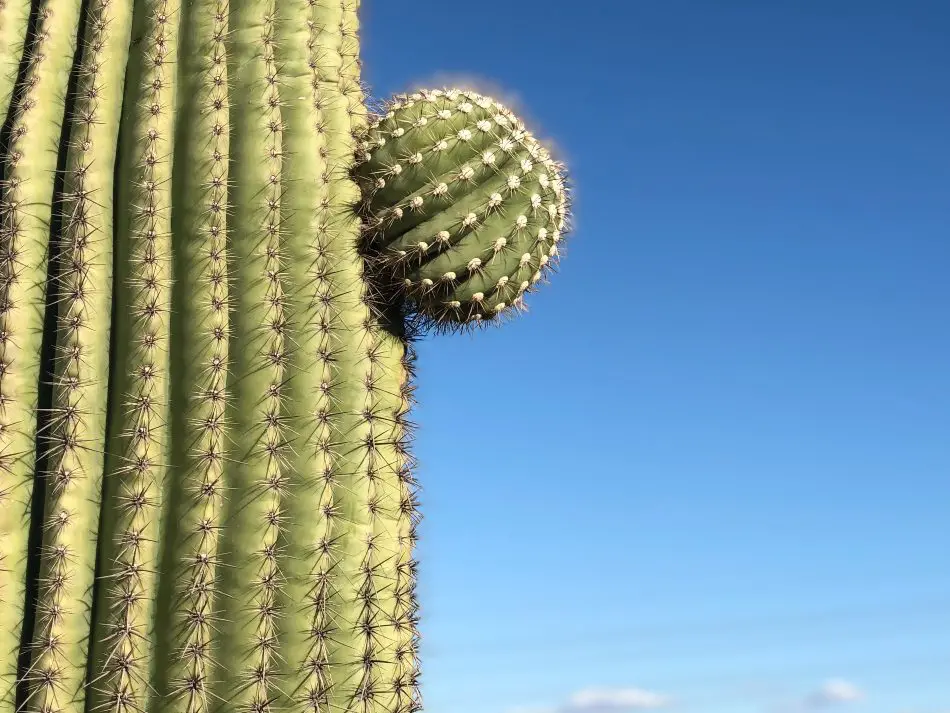
The spines, which replace leaves, aren’t just for protection. These tiny, needle-like structures also cast shade on the cactus, protecting it from the fierce desert sun. They can even help capture moisture from the air, funneling it down to the roots—a built-in rain collector of sorts!
Cactus Species: More Than Just a Prickle
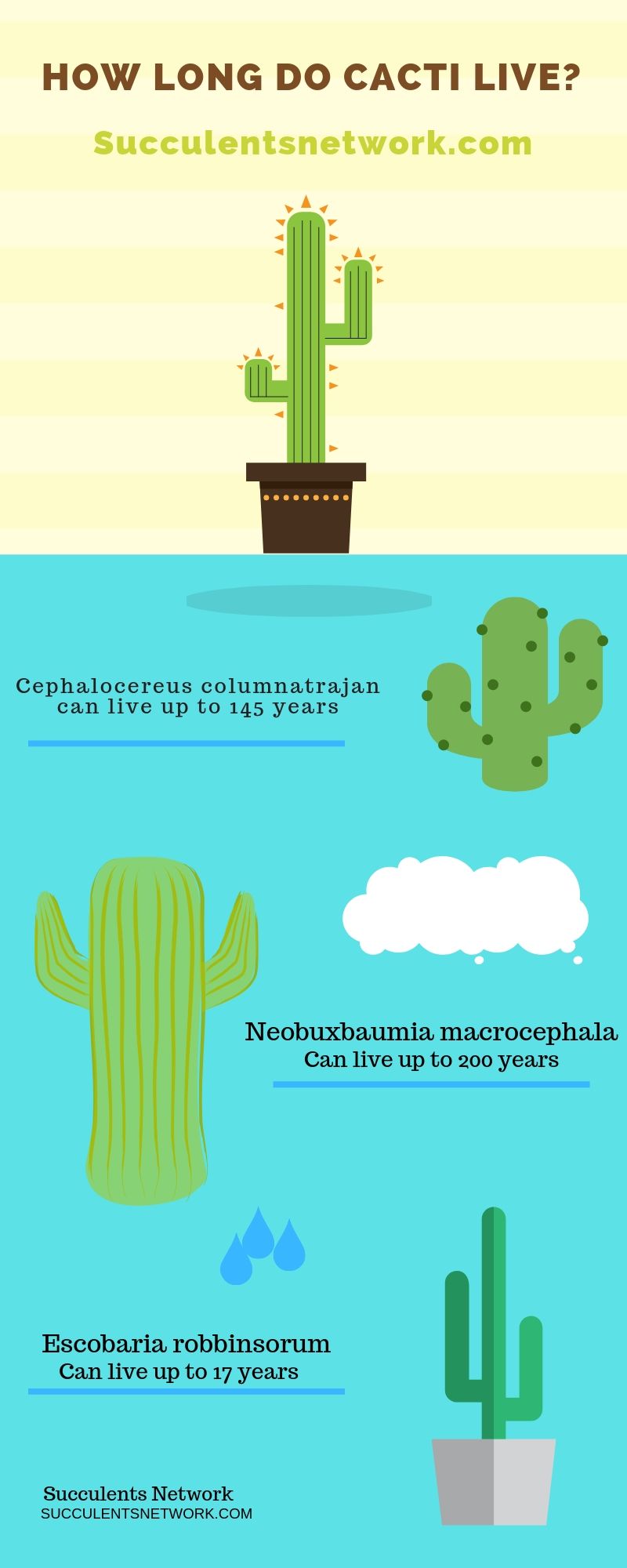
Believe it or not, there are over 1,500 different species of cacti scattered mostly across the Americas—from the heat-drenched deserts of Arizona to the tropical rainforests of Central and South America. Each species has unique features tailored to its surroundings. For instance, the Saguaro cactus, famous for its towering arms, can live for more than 150 years, growing up to 40 feet tall! On the other hand, some tiny cacti are no bigger than a golf ball.

Some cacti even bloom with vibrant flowers that open during the night to attract nocturnal pollinators like bats. Imagine a desert bursting with hidden colors when the sun goes down—who knew the desert could have such a secret nightlife?
The Desert Challenge: How Cacti Survive Droughts
Imagine going months without a sip of water. Sounds impossible, right? Cacti make this challenge look effortless. Their superpower is water conservation. During rare rainfalls, cacti soak up as much water as possible, swelling their stems like balloons. Then, during the dry months, they slowly use this stored water — but never too quickly, ensuring they don’t dry out before the next rain.
Moreover, cacti employ a unique method called CAM photosynthesis (Crassulacean Acid Metabolism). Instead of opening their pores during the day (when it’s hot and dry), these pores open at night to collect carbon dioxide. This minimizes water loss enormously—a desert trick only the smartest plants know!
Animals That Call Cacti Home
Despite their prickly defenses, cacti are more than just spiky plants—they are vital to desert ecosystems. Many animals depend on cacti for food and shelter. For example, the Gila woodpecker drills holes in Saguaro cacti to create cozy nests safe from predators. The cactus fruit is a delicious treat for desert critters, from birds and rodents to insects.
Even humans have found ways to use cacti. The fruit of the prickly pear cactus is edible and used in many traditional dishes. Some cacti also have medicinal properties. Who would have guessed that such a spiny plant could be so useful?
Fun Cactus Trivia That Might Surprise You
Did you know that some cacti can “walk”? No, they don’t have feet—but in a manner of speaking, young cacti sometimes detach from their parent plant and take root a short distance away, almost like a slow-moving migration! This helps them spread without having to rely entirely on seeds.
Or that the tallest cactus ever recorded measured an astonishing 78 feet tall? That’s taller than a seven-story building! Cacti may look like simple desert dwellers, but they hold within them a host of wondrous and whimsical secrets.

Growing Your Own Cactus: A Mini Desert Challenge
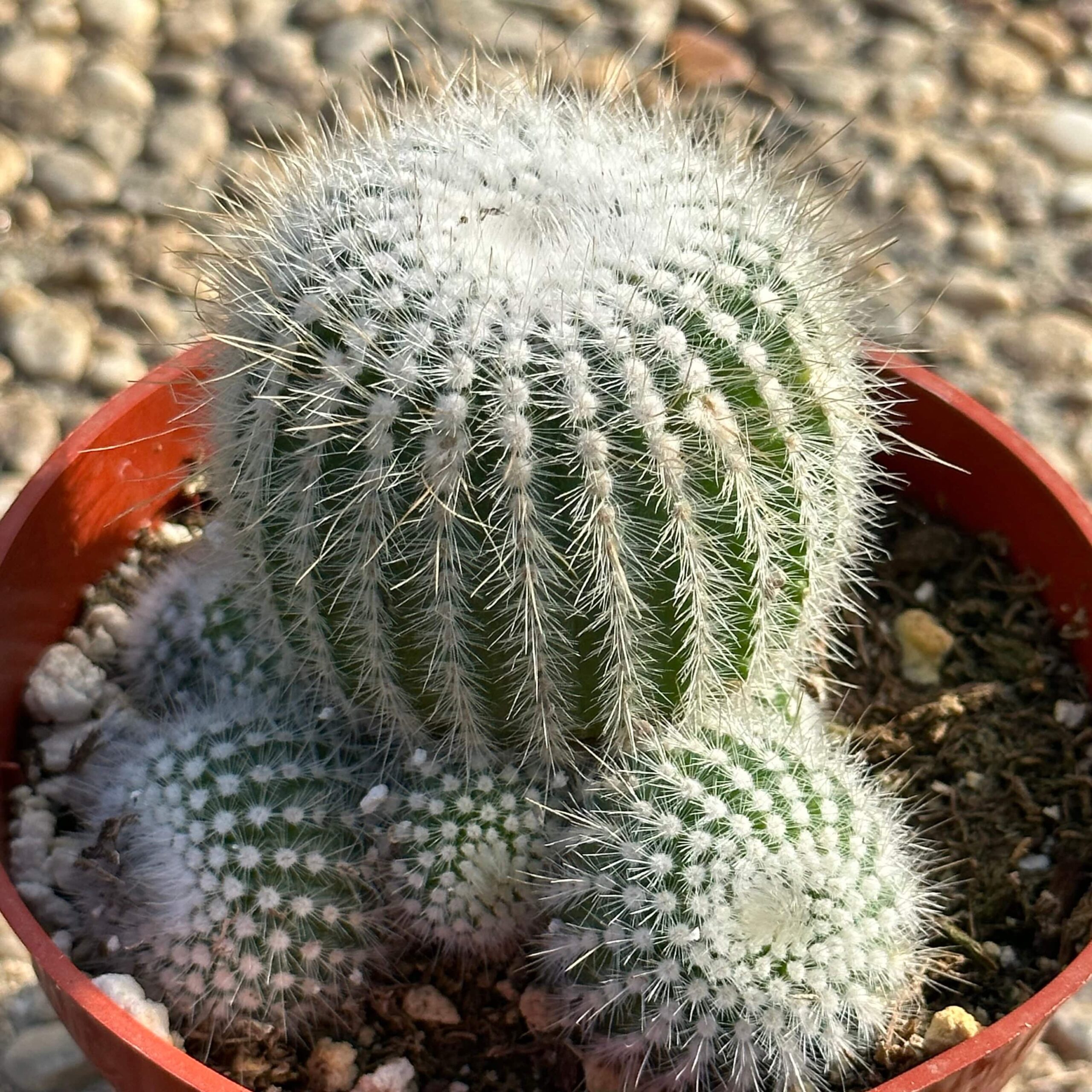
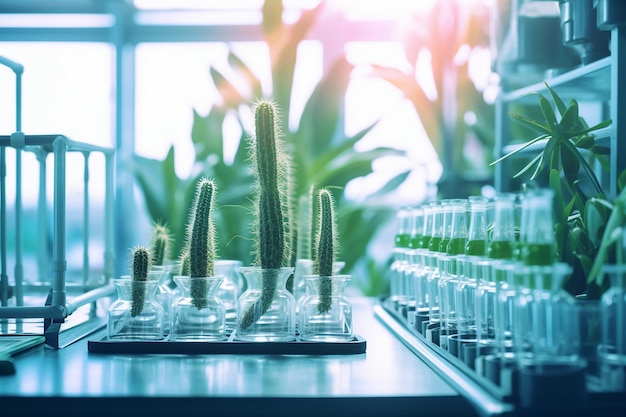
Feeling brave enough to take on a little cactus challenge? Growing a cactus at home can be a fun experiment! They are relatively low-maintenance, but there’s an art to giving them just the right amount of water and sunlight. Too much water, and your cactus might rot; too little light, and it can become leggy and weak.
Starting a cactus garden is like creating a tiny desert oasis. Watching your spiky friend grow and maybe even bloom can be incredibly rewarding. Plus, it’s a perfect way to learn about nature’s resilience up close!
So next time you see a cactus, think about its incredible journey—from drought survival and desert defenses to housing animals and dazzling with night blossoms. These fascinating plants aren’t just prickles in the sand—they’re stories of endurance, adaptation, and life thriving against all odds!
FAQ
What makes cacti special?
Cacti have unique adaptations that allow them to thrive in arid environments, including water storage and reduced leaf structures.
What animals rely on cacti?
Various animals, including birds and rodents, depend on cacti for food and shelter.



Leave a Reply