

Short Answer
There’s something undeniably magnetic about cacti. Their sculptural silhouettes and resilient nature captivate viewers, inviting a blend of curiosity and admiration. On social media, these spiky succulents often dominate feeds, not just for their quirky charm but for the visual storytelling they inspire. Capturing their essence transcends mere photography—it’s about unveiling the subtle poetry within their prickly exteriors. Understanding how to photograph cacti effectively enables creators to share more than images; they share wonder and intrigue that resonate deeply with audiences.
Understanding the Unique Aesthetic of Cacti
Cacti are extraordinary subjects for photography because they inhabit a realm between minimalism and complexity. At first glance, they appear deceptively simple—just a green, spiky plant with an arid, tough exterior. However, a closer inspection reveals a labyrinth of texture, geometry, and vibrant hues that challenge conventional botanical photography. From the radial symmetry of their spines to the vibrant blooms that sporadically appear, cacti embody a visual paradox: they’re both resilient and delicate, harsh yet beautiful.
Recognizing this duality is key to capturing images that speak to viewers on a subconscious level. The fascination stems from this juxtaposition—a botanical marvel defying the odds in seemingly inhospitable environments. Photographing cacti thoughtfully allows one to emphasize these themes, evoking not just appreciation, but a nuanced emotional response from the audience.
Choosing the Right Lighting to Accentuate Form and Texture
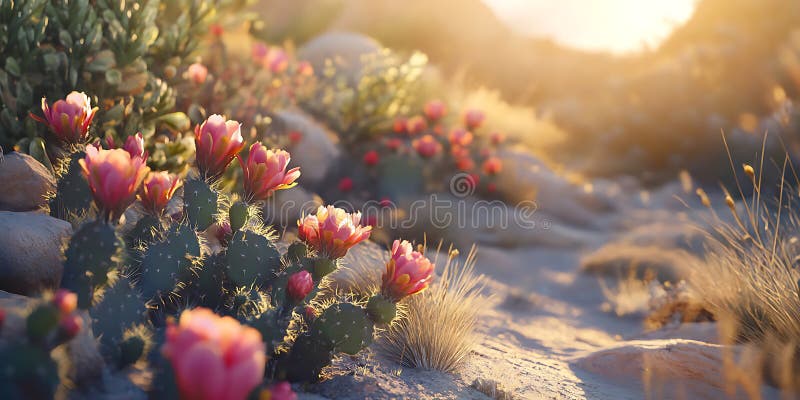
Lighting can transform the ordinary into the extraordinary. When photographing cacti, natural light—especially during the golden hour—is invaluable. Early morning or late afternoon sunlight casts a warm, diffused glow that softens the plant’s formidable spikes while enhancing its textures and contours.
Avoid harsh midday sunlight, which can create unforgiving shadows and flatten the intricate details. Instead, seek directional light that grazes the surface, revealing the minute ridges and the subtle gradations of color on the cactus skin. Backlighting can produce ethereal halos around spines, accentuating their sharpness and giving the photograph an almost surreal quality.

Artificial lighting can also be employed creatively—softboxes or diffused LED lights help mimic natural, gentle illumination and can be used in studio setups. Experimenting with shadows and light angles deepens the visual narrative, making the cactus appear both majestic and intimate.
Mastering Composition: Framing Cacti with Intent
Composition breathes life into a cactus photograph beyond its botanical features. Start by considering the narrative you wish to tell. Is the cactus a solitary hero standing defiant against a barren background, or part of a larger ecosystem where subtle interactions between plants or light add complexity?
Rule of thirds remains a powerful tool; positioning your cactus off-center can create dynamic tension and lead the viewer’s eye through the frame. Negative space is equally critical—an expanse of emptiness around the subject can emphasize isolation, strength, or vulnerability.
Close-ups are particularly effective when photographing cacti. Zooming into spines or the textured surface creates abstraction, almost rendering the plant as a tactile sculpture rather than a mere botanical specimen. This approach invites viewers into a more intimate, tactile connection with the subject.
Utilizing Backgrounds to Enhance Visual Impact
A distracting background can diminish the inherent artistry of the cactus. One of the most effective ways to highlight your subject is by employing clean, simple backgrounds—muted desert hues, blurred natural environments, or monochromatic backdrops that don’t wrestle for attention.
Playing with depth of field is the secret weapon here. Using a shallow aperture not only isolates the cactus but transforms the background into a creamy bokeh, drawing attention to every spine and crevice. Consider the color contrasts and how they interplay. Earthy greens and ochres complement the cactus while vibrant blooms or sky-blue backgrounds introduce striking contrasts that elevate the visual drama.

Technical Settings: Finding Balance Between Detail and Artistic Flair
Camera settings are critical for revealing the cactus in its full glory. Shooting in RAW format ensures maximum detail retention and flexibility in post-processing. Aperture values should typically hover between f/5.6 and f/11 to balance depth of field with sharpness. Too shallow, and parts of your subject may blur unexpectedly; too deep, and the background might compete for attention.
ISO is generally best kept low to prevent noise—a distraction from the fine textures of the plant. Utilize a tripod to avoid camera shake during slower shutter speeds, especially if working in softer light conditions. Manual focus is often advantageous to precisely control which part of the cactus is razor-sharp, such as focusing on the apex of the spines or the delicate flower buds.
Incorporating Seasonal Variations and Bloom Cycles
The transient beauty of cactus blooms is a siren’s call to every photographer. Flowers on cacti are fleeting and often unpredictable, emerging under specific environmental triggers. Capturing these ephemeral moments introduces color, softness, and a narrative of life’s persistence against harsh odds.
Patience and regular observation are essential. Monitor the plants during flowering seasons and be ready to seize the moment. Flowers provide an excellent contrast to the thorny body of the cactus and add emotional depth to the image, symbolizing hope, renewal, and survival.
Post-Processing: Amplifying, Not Fabricating
Post-processing is where the character of your cactus images can be refined without sacrificing authenticity. Enhance texture subtly through sharpness and clarity adjustments. Slight contrast boosts enrich shadows and highlights, emphasizing three-dimensionality without exaggeration.
Color grading should be tasteful. Often, desaturating the background or enriching the greens and reds within the cactus itself helps keep the viewer’s eye anchored where it belongs. Avoid heavy filters that erase the natural tones or introduce artificial vibes. The goal is to accentuate the inherent spectacle of these plants, not to overwrite it.
Engaging Your Social Media Audience with Storytelling
Finally, the resonance of cactus photography on social media lies in storytelling. Pairing images with captions that explore the ecological significance, survival tactics, or cultural symbolism of cacti enriches engagement. Share insights about the plant’s habitat or the metaphorical meaning behind its resilience.
By weaving visual artistry with compelling narratives, photographers transform social media feeds into spaces of discovery and inspiration. Followers don’t just scroll past; they pause, reflect, and connect emotionally to the resilient beauty that cacti represent.
Photographing cacti for social media is a joyful dance of patience, technical skill, and artistic intuition. Through mindful choices in lighting, composition, and storytelling, these desert marvels emerge from the frame as timeless icons of endurance and beauty—capturing hearts far beyond their prickly exteriors.
FAQ
What is the best time of day to photograph cacti?
The golden hour, either early morning or late afternoon, provides warm, diffused light that accentuates cactus textures and form.
How can I make cactus photos stand out on social media?
Use storytelling in captions, focus on composition and lighting, and highlight unique cactus features like blooms and textures.
Should I use artificial lighting for cactus photography?
Yes, diffused softboxes or LED lights can mimic natural light and help control shadows in studio settings.
What camera settings work best for cactus photography?
Shoot in RAW format, use apertures between f/5.6 and f/11, keep ISO low, and use a tripod for stability.
Why is post-processing important in cactus photography?
Post-processing enhances texture and color subtly without altering the natural look, helping images retain authenticity.




Leave a Reply