
Short Answer
There’s something quietly rebellious about bringing the desert into your home. Not in the form of a plastic cactus or a synthetic succulent, but in the raw, preserved essence of a living thing—its spines still sharp, its form still intact, yet stripped of the need for water, soil, or sunlight. A cactus shadow box is more than a decorative object; it’s a miniature ecosystem frozen in time, a testament to resilience, and a quiet defiance against the ephemeral nature of life. It’s an act of preservation that whispers, “I choose what lasts.”
The Allure of the Desert: Why Cacti Captivate Us
Cacti are survivors. They thrive where others wither, store life in their flesh, and bloom under the harshest conditions. This tenacity speaks to a deeper human fascination—our own desire to endure, to adapt, to find beauty in adversity. When we preserve a cactus in a shadow box, we’re not just capturing a plant; we’re immortalizing a philosophy. The desert’s stark beauty, with its muted palettes and angular forms, offers a visual respite from the chaos of the modern world. It’s a reminder that strength doesn’t require softness, and beauty doesn’t demand gentleness. The cactus, with its prickly exterior and delicate blooms, embodies this paradox. It’s a metaphor for resilience, and when we bring it indoors, we invite that resilience into our personal spaces.
Selecting the Right Cactus: Size, Shape, and Story
Not all cacti are created equal, and the choice of specimen will dictate the soul of your shadow box. A small, round Mammillaria with its clustered spines might evoke a sense of cozy protection, while a tall, columnar Saguaro fragment could command attention like a silent sentinel. Consider the narrative you want to tell. Is this a tribute to a desert landscape you once wandered? A memento from a trip to the Southwest? Or simply an homage to the quiet strength of nature? The cactus you choose should resonate with your story. For beginners, opt for hardy varieties like Echeveria or Haworthia, which dry beautifully and retain their structure. Avoid overly fleshy specimens, as they may shrivel unpleasantly during the drying process.
Drying the Specimen: Patience as an Act of Love
Preservation is an exercise in patience. The drying process is where the magic—and the mess—happens. Begin by gently brushing off any loose debris, then place the cactus in a dry, well-ventilated space away from direct sunlight. A cardboard box with ventilation holes works wonders. The goal is slow dehydration, which prevents mold and preserves the cactus’s form. Depending on the size and thickness, this can take anywhere from a few days to several weeks. Resist the urge to rush it. This is where the cactus’s true character emerges—not in its living state, but in its stripped-down, skeletal beauty. The spines may soften slightly, the colors may deepen, and the once-plump pads may flatten into delicate, papery layers. It’s a transformation that feels almost alchemical.
Designing the Shadow Box: Composition and Aesthetic
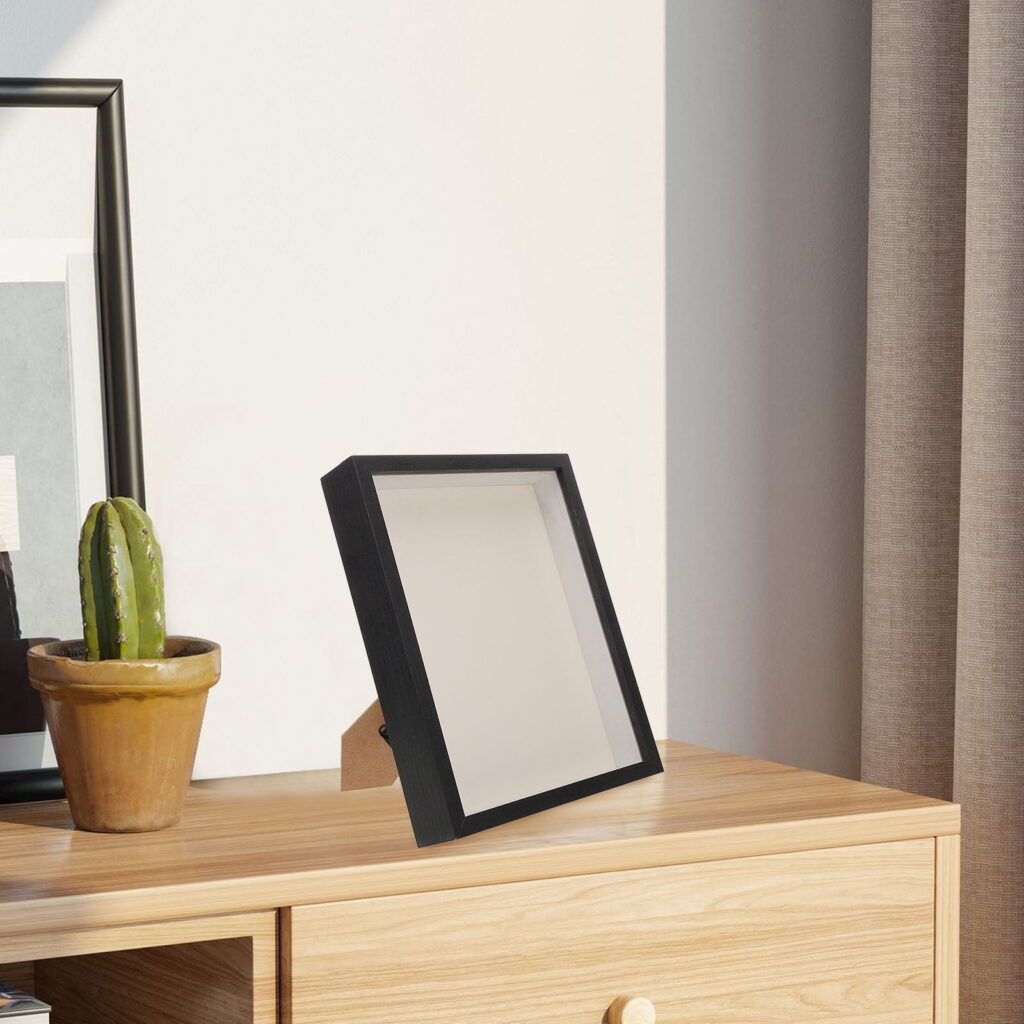
A shadow box is a stage, and your cactus is the star. But even the most compelling protagonist needs a supporting cast. Think of the box as a diorama, where every element plays a role in the narrative. Start with the background—a neutral tone like sand beige or slate gray will let the cactus take center stage, while a muted desert landscape print can add depth. Consider the placement of the cactus: off-center compositions often feel more dynamic, while symmetrical arrangements lend a sense of order. Don’t overlook the power of negative space. A lone cactus in a vast expanse of nothingness can feel more profound than a crowded tableau. For texture, layer in elements like smooth river stones, driftwood, or even a sprinkle of fine sand. These details ground the piece and enhance the desert aesthetic.
Securing the Specimen: Techniques for Longevity
Once your cactus is dry, the challenge is keeping it that way—permanently. The key is stability. Use a strong adhesive like museum-quality gel or a clear-drying craft glue to affix the cactus to the box’s interior. For larger specimens, consider a lightweight wire frame hidden beneath the base, which can be anchored to the box’s back panel. Avoid hot glue, as it can yellow over time and may not provide enough hold for heavier pieces. If your cactus has delicate parts, like thin spines or fragile blooms, consider reinforcing them with a thin layer of clear sealant before placement. This adds a protective barrier against dust and humidity, ensuring your shadow box remains a timeless piece rather than a fleeting trend.
Lighting and Display: Illuminating the Desert’s Soul
Light is the final brushstroke in your masterpiece. A well-lit shadow box can transform a static display into a living tableau. LED strip lights or small battery-operated puck lights can cast a warm glow, highlighting the cactus’s textures and creating subtle shadows that add depth. Position the lights to avoid glare on the glass, and consider using a dimmer switch to adjust the ambiance. If your shadow box is in a high-traffic area, opt for UV-protective glass to prevent fading. The goal is to create a focal point that draws the eye and invites contemplation. A beautifully lit shadow box isn’t just decoration; it’s an experience—a moment of quiet reflection in a world that’s always moving.
Beyond the Cactus: Expanding the Narrative
While the cactus is the heart of your shadow box, the surrounding elements can weave a richer story. Include a small handwritten tag with the cactus’s scientific name and the date of collection—this adds a layer of authenticity and educational value. For a personal touch, tuck in a tiny handwritten note or a pressed flower from a meaningful location. If you’re crafting a shadow box as a gift, consider incorporating elements that reflect the recipient’s personality or interests. A traveler might appreciate a miniature compass or a scrap of fabric from a local market. The possibilities are endless, limited only by your imagination. Each addition should feel intentional, like a sentence in a poem that builds toward a greater meaning.
The Emotional Resonance: Why We Keep These Boxes
At its core, a cactus shadow box is a conversation between the past and the present. It’s a way to hold onto fleeting moments—whether it’s the memory of a desert sunset, the resilience of a plant that thrived against the odds, or simply the joy of creating something with your own hands. In a world where everything is disposable, these boxes are acts of defiance. They say, “This matters. This will last.” They’re not just decorations; they’re talismans, reminders of the beauty in endurance. And perhaps, in preserving a piece of the wild, we preserve a piece of ourselves.
FAQ
What is a cactus shadow box?
A cactus shadow box is a decorative display that preserves dried cactus specimens, showcasing their beauty and resilience.
How do I dry a cactus for a shadow box?
To dry a cactus, brush off debris and place it in a dry, ventilated area away from sunlight. The drying process can take several days to weeks.
What materials do I need for creating a cactus shadow box?
You will need a shadow box, dried cactus specimens, adhesive, decorative elements like stones or sand, and optional lighting.





Leave a Reply