
Short Answer
Have you ever wondered if you can transform tiny seeds into spiky, majestic cacti that seem to defy the odds of survival? Growing cactus from seeds can often feel like coaxing a secret whispered by the desert itself—full of intrigue, patience, and a sprinkle of challenge. From the initial sowing to watching those prickly miracles flourish, the journey is as rewarding as it is unique. But how does one master this art without falling into the common pitfalls that plague many enthusiasts? Let’s delve into the fascinating world of cactus propagation and uncover the essential tips to elevate your success.
Understanding the Challenge: Why Growing Cactus from Seeds Isn’t Child’s Play
Patience, precision, and persistence—these are the trifecta attributes needed when nurturing cactus seeds. Unlike the more rapid propagation methods such as offsets or cuttings, seed germination inhabits a precarious space of unpredictability. Cacti seeds are incredibly minute, sometimes no larger than a grain of sand, which makes handling them a delicate affair. Additionally, their germination rates can vary dramatically depending on species and environmental conditions.
But what makes it particularly tricky is their natural evolutionary strategy. Seeds are designed to remain dormant, waiting for the right moment—often a rare and perfect confluence of moisture, temperature, and light—to sprout. This dormancy can be maddeningly persistent if the indoor conditions do not simulate their arid habitats correctly.
Selecting the Right Seeds: The Genesis of Your Cactus Journey
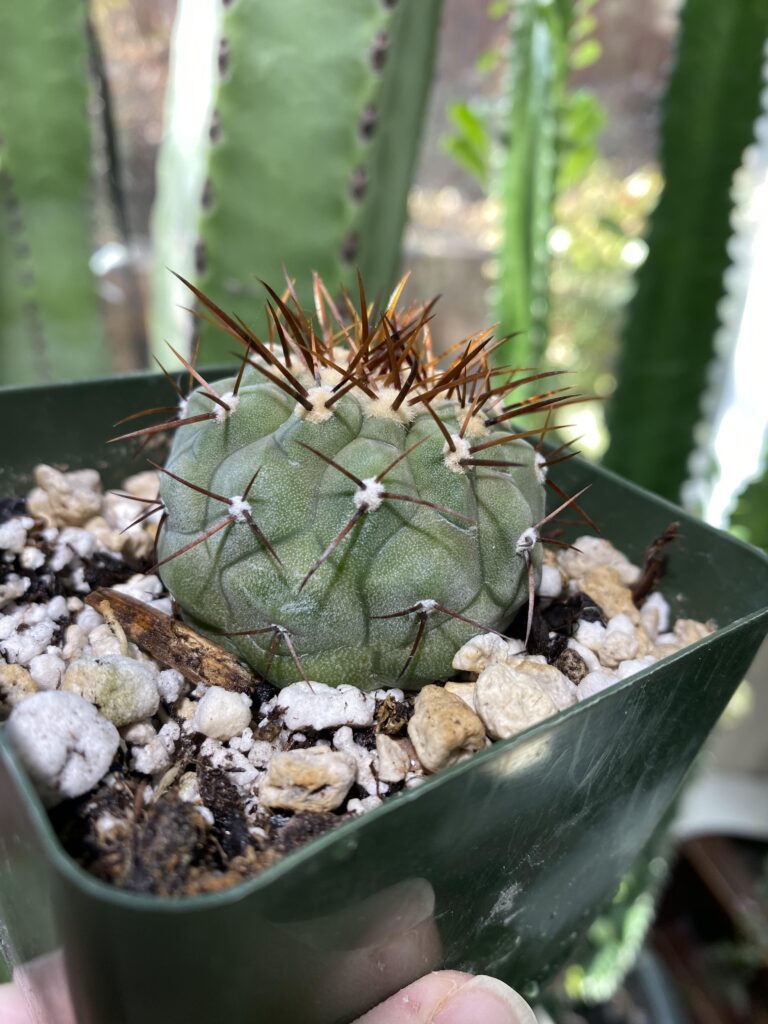
Choosing high-quality, viable seeds is pivotal to your endeavor. While the market offers a dizzying variety of species—from the dramatic Copiapoa cinerea to the playful Mammillaria—each carries its own requirements and growth timelines. Look for seeds that appear plump and undamaged. Often, reputable suppliers will provide freshness dates or germination guarantees, which can be a trustworthy indicator.
Seed provenance matters more than you might suspect. Wild-collected seeds might possess hardier genetic traits advantageous for resilience, while cultivated varieties often boast faster germination and consistent form. Understanding your goals—whether hybrid aesthetics or species preservation—will steer your selection process.
The Art of Seed Preparation: Awakening Dormant Giants
Before sowing, certain cactus seeds benefit immensely from pre-treatment techniques designed to break dormancy and encourage rapid germination. This step can include stratification (a period of cold treatment), scarification (lightly nicking the seed coat), or even soaking in warm water to coax the embryo to wake.
Some species sport hard seed coats that inhibit moisture absorption. By carefully employing such techniques, you simulate natural desert processes, like seasonal rains or passing through an animal’s digestive tract. These are nuanced steps, but mastering them swiftly accelerates the delicate germination phase and minimizes seed wastage.
Choosing the Optimal Soil Mix: Crafting the Perfect Nest
The soil acts as the cradle where the seedlings will take their first breath. For cacti, the substrate must be impeccably well-draining to prevent the nefarious spread of damping-off disease and root rot. A customary soil blend pairs coarse sand or perlite with a gritty organic component such as finely sifted compost or cactus potting mix.
Beyond texture, the pH level affects nutrient availability; slightly acidic to neutral (pH 6.0–7.0) is typically ideal. The chosen medium must remain moist but never waterlogged—striking this balance demands vigilance and regular monitoring, particularly in climates with fluctuating humidity.
Sowing Techniques: Precision Meets Patience
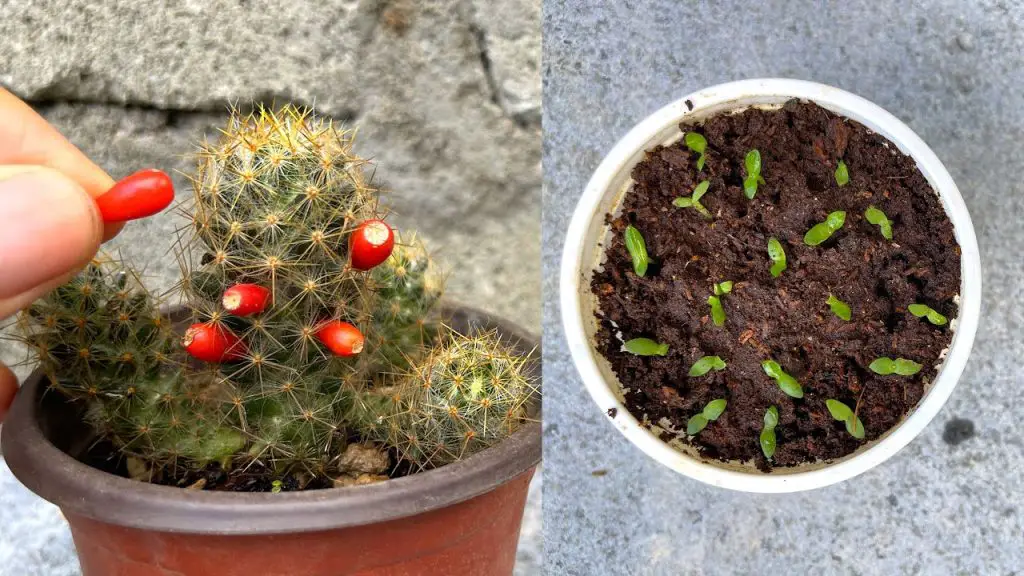
Herein lies the moment that most amateur growers falter—how deep should one bury minute cactus seeds? The answer is deceptively simple: barely at all. Most cactus species require surface sowing. Their seeds need light to trigger germination, so lightly pressing them onto the soil surface ensures optimal exposure. Covering too deeply could smother them entirely.
Spacing is another subtle art. Crowding seeds might tempt moisture retention but risks fungal outbreaks and complicates thinning later on. A sparse, deliberate placement using tweezers or a damp brush often yields the best results, allowing seedlings ample room to develop their initial root systems and cotyledons.
Environmental Factors: Mimicking Mother Nature Indoors
Temperature, humidity, and light—each plays a starring role in the drama of cactus seed germination. The ideal temperature range typically oscillates between 70°F and 85°F (21°C–29°C), mirroring the warm, arid ecosystems cacti natively inhabit. Consistency here is vital. Sudden cold snaps or drastic fluctuations can stunt or kill nascent sprouts.
Light should be abundant but filtered. Direct harsh sunlight can scorch tender seedlings, while insufficient illumination encourages leggy, weak growth. A well-lit windowsill with morning sun or artificial grow lights configured for 12-16 hours a day usually strikes the perfect equilibrium.
Humidity levels deserve special attention. Many beginners err by overwatering or failing to maintain humidity during germination. Utilizing a transparent cover or humidity dome encourages a microclimate that reduces evaporation without drowning your seeds. Ventilation small enough to prevent mold but sufficient to refresh air creates the healthiest environment.
Watering Wisdom: The Tightrope Walk Between Moisture and Misery
Watering cactus seeds calls for near-constant vigilance. The substrate should remain evenly moist, never soggy. Excess water provokes fungal pathogens like damping-off—a swift assassin of young seedlings—while insufficient moisture halts germination altogether. Using a fine mist sprayer or bottom watering methods helps maintain gentle hydration without disturbing seeds or compacting soil.
Once seedlings emerge, gradually reduce watering frequency to prevent etiolation and prepare them for life in xeric conditions. This step-wise approach mimics their evolutionarily ingrained drought tolerance, encouraging sturdy, shapely growth.
Post-Germination Care: From Fragile Sprouts to Robust Cacti
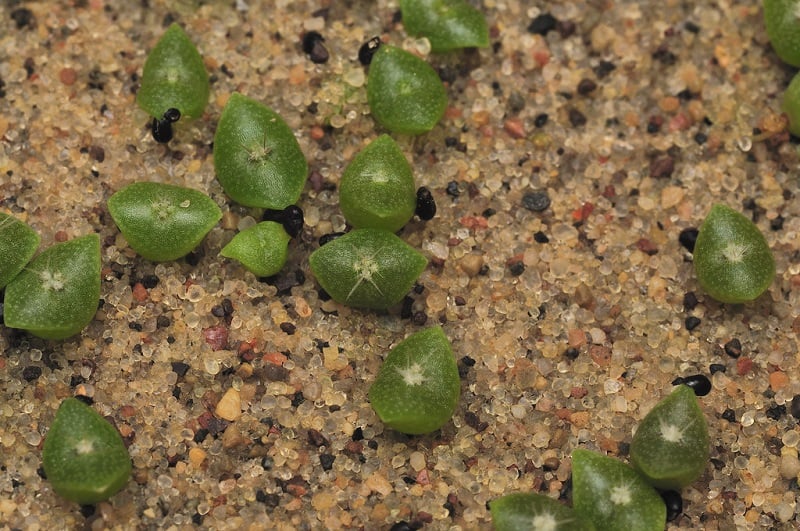
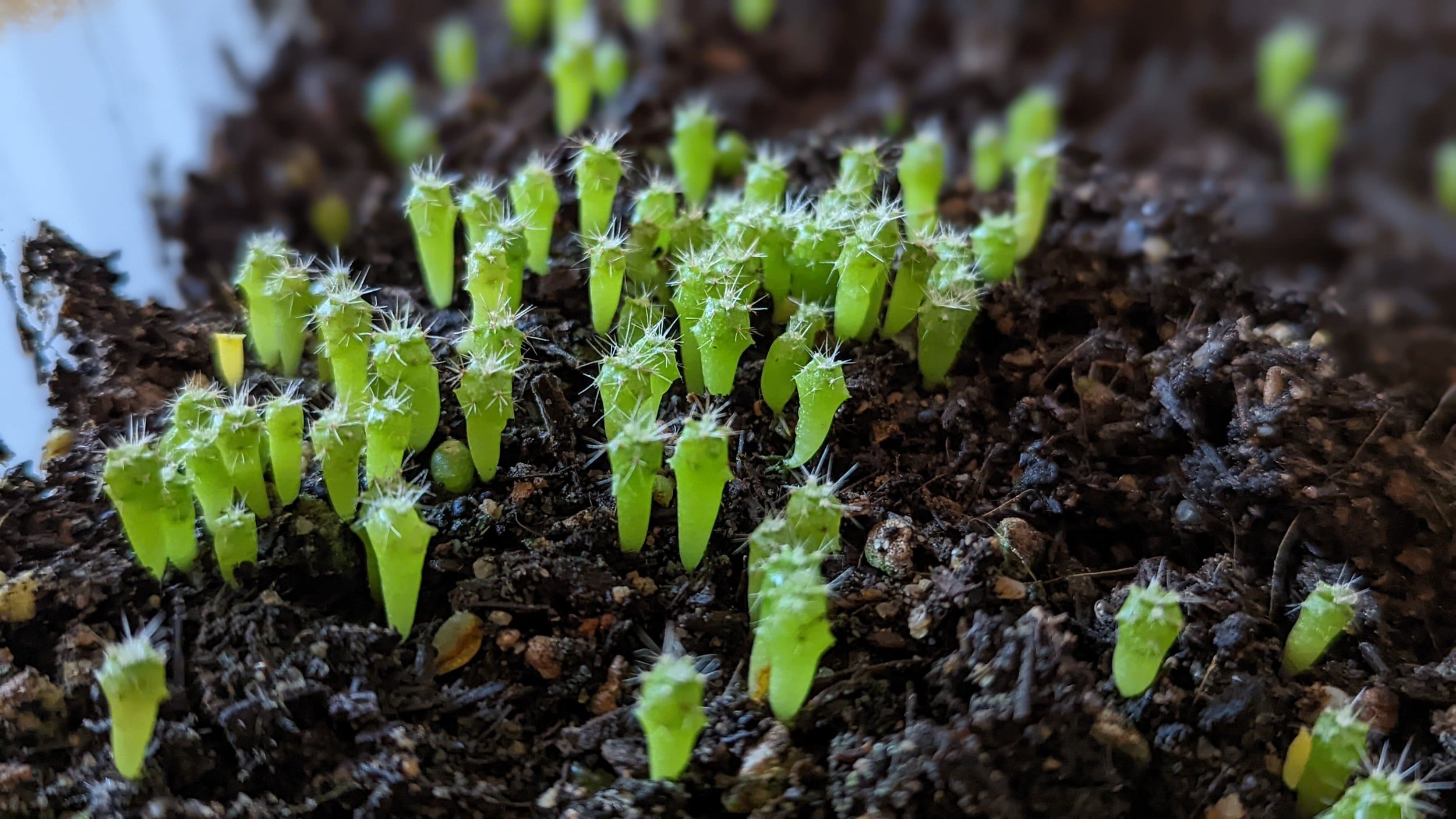
The first few weeks following germination are perhaps the most delicate. Seedlings require sheltered nurturing to avoid shocks such as temperature drops, rapid drying, or pest invasions. Transplanting should be deferred until the cacti develop well-formed roots and several true spines—often months after sowing.
During this phase, light intensity can be increased gradually, and feeding with diluted, balanced cactus fertilizer helps support vigorous development—though moderation is key to prevent leggy or overly lush growth that compromises drought hardiness.
Patience Rewarded: Embracing the Long Haul
Growing cactus from seeds is not a weekend project or a quick gratification hobby. The slow dance of emergence, elongation, and maturation demands timeframes measured in months, sometimes years. But therein lies its charm—the deep connection to nature’s rhythm and a profound sense of accomplishment with every tiny spine that unfolds.
Celebrate incremental milestones, document growth progress, and explore diverse species to keep your enthusiasm ablaze. Each successful seedling is a testament to your dedication and finesse, a miniature marvel born from sand and persistence.
In Conclusion: Are You Ready to Take the Seedling Challenge?
Are you prepared to master the intricacies of growing cactus from seeds? Through meticulous seed selection, mindful preparation, and an embrace of patience, you can unlock the secrets of desert survival and create a verdant spiny sanctuary. Every step, every challenge, every tiny sprout holds a story of resilience and wonder. So grab your seeds, prepare your soil, and let the magic begin. The desert’s secret is now yours to cultivate.
FAQ
How long does it take for cactus seeds to germinate?
Cactus seeds typically take from a few days up to several weeks to germinate depending on the species and environmental factors.
Do cactus seeds need special preparation before planting?
Yes, some seeds benefit from treatments such as stratification, scarification, or soaking to break dormancy and improve germination rates.
What type of soil is best for cactus seed germination?
A well-draining, gritty soil mix with a slightly acidic to neutral pH is recommended to prevent root rot and support seedlings.
How should I water cactus seedlings?
Use gentle watering methods like misting or bottom watering to keep the soil moist but not soggy, avoiding fungal infections.
When can cactus seedlings be transplanted?
Transplant seedlings once they have strong roots and several true spines, usually after several months.


Leave a Reply