
Short Answer
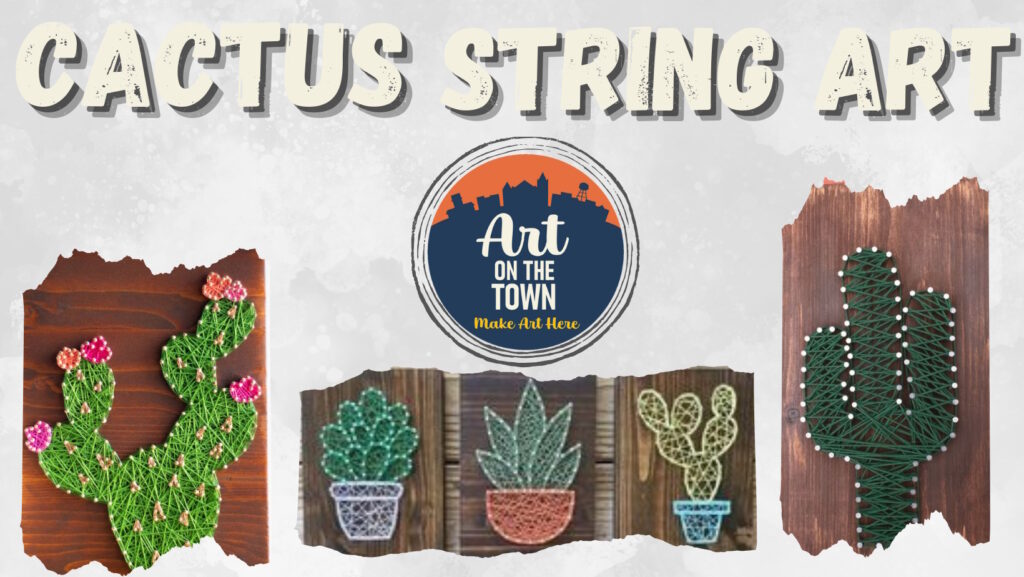
There’s something inherently rebellious about cacti—their defiant spines, their stoic endurance in arid landscapes, their ability to thrive where others wither. These desert sentinels, often dismissed as mere prickly oddities, are the perfect muse for an art workshop that transcends age and skill level. A Cactus Art Workshop isn’t just about creating pretty pictures; it’s a tactile rebellion against the ordinary, a celebration of resilience, and a playground for imagination. Whether you’re a parent seeking to ignite your child’s creativity, an educator designing an interdisciplinary lesson, or an adult yearning to reconnect with the tactile joy of making, this workshop promises to be a prickly yet profoundly rewarding adventure.
The Allure of Cacti: Why These Spiky Icons Inspire Art
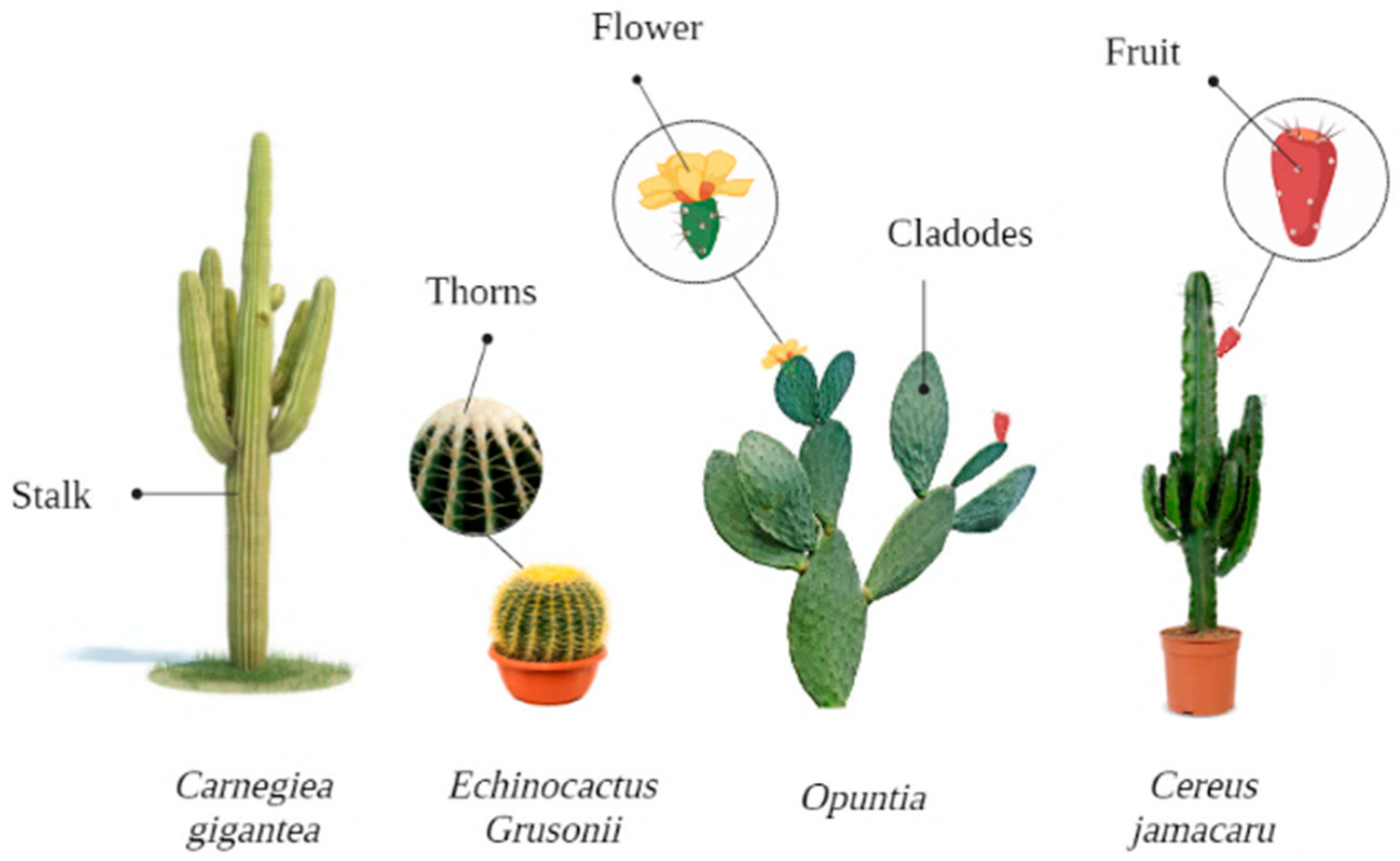
Cacti are more than just plants; they are architectural marvels, sculptural wonders, and ecological superheroes. Their geometric precision—whether the spiraling ribs of a barrel cactus or the fractal symmetry of a saguaro—offers a masterclass in form and function. In a world dominated by soft, rounded shapes, the cactus stands out with its sharp angles, bold silhouettes, and an almost alien aesthetic. This visual contrast makes them irresistible subjects for artists of all ages. For children, cacti are like living puzzles, their spines and segments begging to be counted, drawn, or recreated in clay. For adults, they represent a challenge to capture their stark beauty without resorting to clichés. The workshop taps into this dual appeal, blending botanical study with artistic experimentation. Participants will learn to see cacti not as obstacles to avoid, but as collaborators in the creative process.
Materials That Thrive: Crafting with Purpose and Play
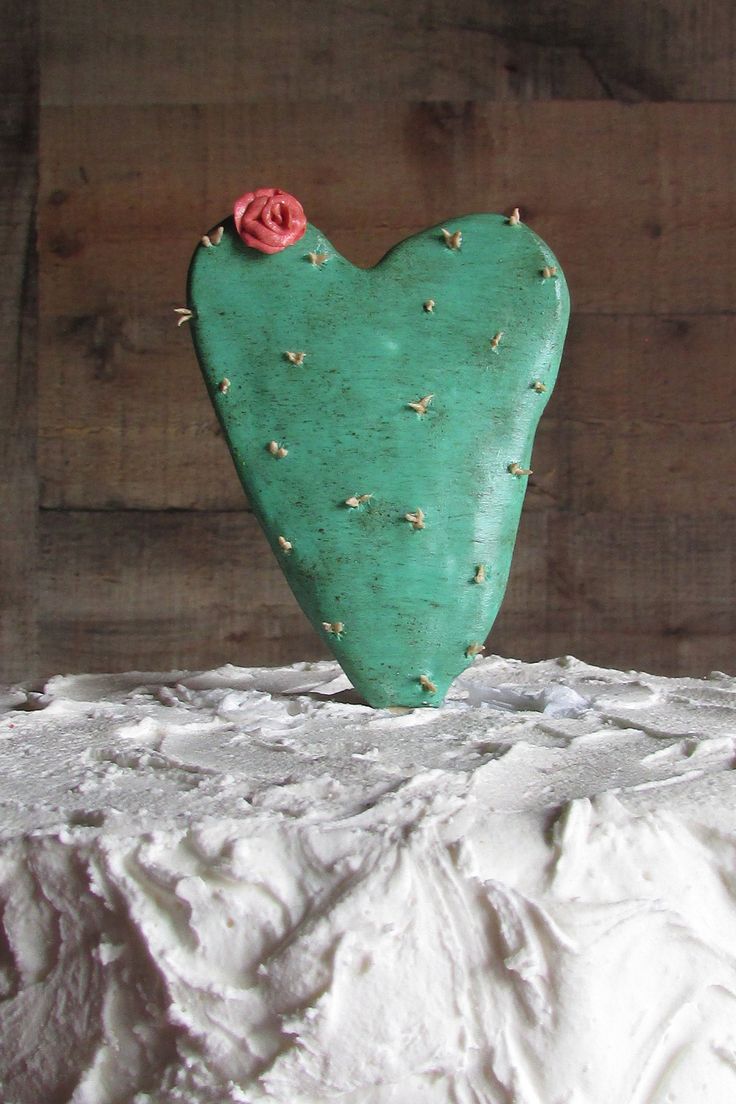
The beauty of a cactus art workshop lies in its adaptability. The materials can be as humble or as extravagant as the project demands, ensuring accessibility without sacrificing creativity. For the youngest artists, air-dry clay and non-toxic paints transform into three-dimensional cacti gardens, complete with tiny paper spines and painted pots. Older children might explore mixed media, combining fabric scraps for textured “desert landscapes,” or using recycled materials like cardboard tubes to build towering saguaro sculptures. Adults, meanwhile, can delve into more sophisticated techniques—think wire-wrapped cacti, resin-encased desert scenes, or even cyanotype prints of pressed cactus leaves. The key is to emphasize sustainability: repurposed fabrics, natural dyes, and biodegradable glues not only reduce waste but also deepen the connection to the subject matter. Each material choice becomes a statement—about resourcefulness, about the intersection of art and nature, and about the quiet power of creation.
From Sketch to Sculpture: Step-by-Step Projects for Every Skill Level
The workshop’s structure is designed to meet participants where they are, whether they’re holding a pencil for the first time or wielding a palette knife like a seasoned pro. Begin with observational drawing, where attendees sketch live cacti from life or high-resolution photographs, focusing on capturing the interplay of light and shadow. This foundational exercise hones patience and attention to detail, skills that extend far beyond the workshop. Next, move into relief sculpture, where participants carve or mold their cactus designs into foam boards or clay, creating textured “landscapes” that pop off the page. For those craving a challenge, kinetic cacti introduce movement—think mobiles with spinning arms or cacti with accordion-folded “arms” that sway when touched. The pièce de résistance might be a collaborative mural, where each person contributes a section of a sprawling desert scene, their individual styles merging into a vibrant, unified whole. The progression ensures that no one feels left behind, while still allowing advanced artists to push boundaries.
Science Meets Art: The Educational Undercurrent
A cactus art workshop is secretly a STEAM powerhouse. While participants are busy creating, they’re also absorbing lessons in botany, ecology, and even physics. Discussions about xeriscaping—the art of gardening with minimal water—tie into the choice of materials, reinforcing the importance of sustainable practices. The study of cactus spines (are they for protection? for shade? for water collection?) can inspire experiments with texture and form. Older participants might explore the golden ratio in cactus growth patterns, while younger ones can measure and compare the heights of different species. The workshop can even incorporate a “desert adaptation” challenge, where teams design cacti that could hypothetically survive in extreme conditions, blending art with problem-solving. By weaving science into the creative process, the workshop transforms passive learning into an active, hands-on experience.
Cultural Threads: Cacti in Global Art and Folklore
Cacti are not just plants; they are symbols laden with cultural significance. In Mexican maguey art, the agave cactus is a sacred plant tied to mythology and tradition. In Southwestern Native American pottery, cacti motifs tell stories of survival and resilience. Even in contemporary street art, cacti appear as playful icons or political statements. The workshop can incorporate these narratives, inviting participants to explore how different cultures have interpreted these plants. A storytelling session might involve sharing myths about cacti—like the Hopi belief that the saguaro is a “tree of life”—before participants create their own visual interpretations. Alternatively, a global cactus collage project could have attendees research and replicate art styles from different regions, from the vibrant hues of Mexican folk art to the minimalist lines of Japanese ink paintings. This cultural layer adds depth, turning the workshop into a celebration of both art and heritage.
Therapeutic Spines: The Healing Power of Cactus Art
Art has long been recognized as a balm for the mind, and cacti—with their paradoxical blend of harshness and beauty—offer a unique therapeutic angle. The act of sculpting or painting a cactus can be meditative, the repetitive motions of shaping clay or blending colors providing a rhythmic escape from daily stressors. For those dealing with anxiety or trauma, the cactus’s resilience can serve as a metaphor: “Like the cactus, I am strong. Like the cactus, I can grow in unexpected places.” The workshop can incorporate mindfulness exercises, such as focusing on the sensation of kneading clay or the sound of a brush gliding across paper. For groups, collaborative projects foster a sense of community, while solo work allows for introspection. The result is not just a finished piece, but a sense of catharsis—a reminder that creativity, like a cactus, can flourish even in the driest of circumstances.
Beyond the Workshop: Keeping the Cactus Spirit Alive
The end of the workshop shouldn’t mark the end of the cactus-inspired creativity. Participants can take home not just their artworks, but a toolkit for continued exploration. A desert journal—a sketchbook with prompts like “Draw a cactus at sunset” or “Invent a new species”—encourages ongoing practice. A community gallery or online platform can showcase their work, fostering connections between artists. For educators, the workshop can serve as a springboard for interdisciplinary projects, from writing desert-themed poetry to designing a school garden. Even something as simple as a cactus care guide can extend the learning, teaching participants how to nurture their own prickly companions. The goal is to leave attendees with a lasting relationship with their creations—and with the idea that art, like a cactus, is something that grows and changes over time.
FAQ
What is a Cactus Art Workshop?
A Cactus Art Workshop involves creating art projects inspired by cacti, suitable for participants of all ages.
What materials are used in the workshop?
Materials can include air-dry clay, non-toxic paints, recycled materials, and more, focusing on sustainability.
What educational elements are included?
Participants learn about botany, ecology, and cultural significance while engaging in creative projects.
Leave a Reply