
Short Answer
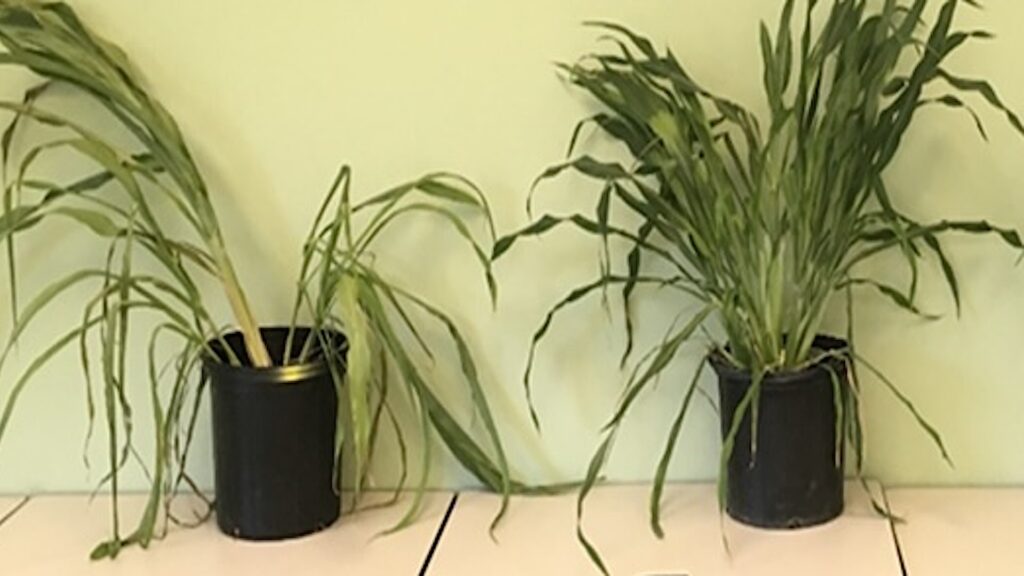
In the vast expanse of arid deserts, where survival is a masterpiece of resilience, cacti stand as silent sentinels of endurance. These remarkable plants, often viewed merely as prickly oddities, harbor secrets that could revolutionize agriculture in the face of escalating drought conditions. As climate change intensifies water scarcity across the globe, scientists have turned their gaze toward cacti – nature’s quintessential drought survivors – hoping to unlock biological blueprints that could redefine how we cultivate crops. This exploration into the world of cacti promises a radical shift in perspective, compelling us to rethink what it means to grow food sustainably under scarcity.
Unveiling the Intricacies of Cacti Physiology
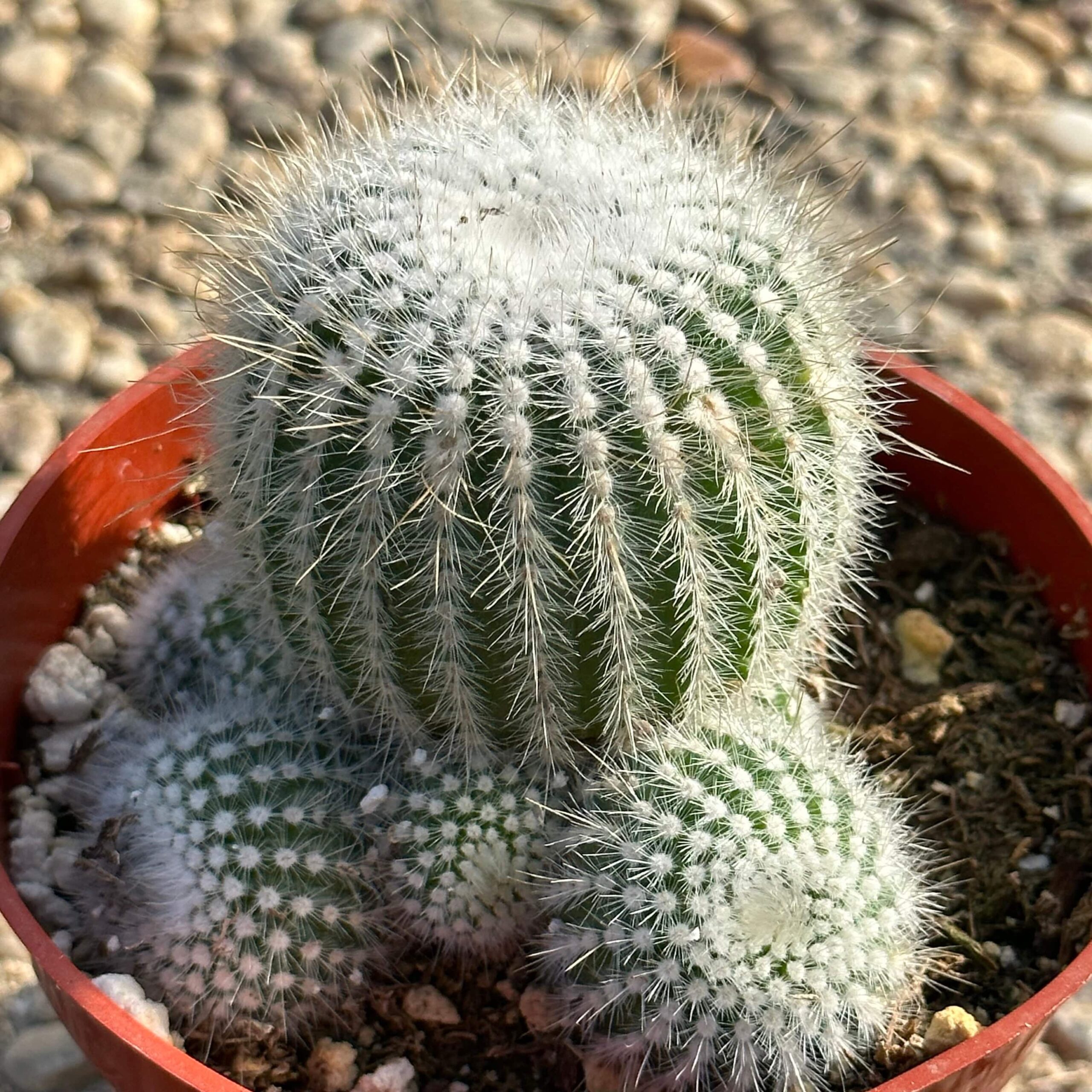
The study of cacti begins with their extraordinary physiology, a symphony of adaptations honed over millennia. Unlike most plants, cacti utilize a specialized form of photosynthesis known as Crassulacean Acid Metabolism (CAM). This ingenious process allows stomata—the microscopic pores on the plant’s surface—to open at night rather than during the day, minimizing water loss in blistering heat. This nocturnal carbon dioxide uptake is stored as organic acids and metabolized during daylight, a remarkable trade-off that conserves precious moisture while ensuring survival.

Moreover, cacti possess a thick, waxy epidermis that acts as a formidable barrier against dehydration. Beneath this, a dense network of succulent tissues retains water with astonishing efficiency. Their spines, often mistaken as mere defenses against predators, reduce airflow and shade the plant surface, further diminishing evaporation. Such multifaceted adaptations are a treasure trove of insights for scientists aiming to engineer drought-resilient crops with similar water-conservation tactics.
Genomic Insights: Decoding the DNA of Drought Endurance
The promise of cacti extends beyond their visible adaptations—they are molecular marvels encoded with genetic resilience. Advances in genomics have enabled researchers to sequence cactus genomes, revealing genes responsible for osmotic regulation, stress response, and water storage mechanisms. Key regulatory genes activate under drought stress to maintain cellular stability and prevent damage from dehydration.
By identifying these genetic components, biotechnology can selectively introduce drought-resistance traits into staple crops. The manipulation of transcription factors, osmoprotectant synthesis pathways, and aquaporin proteins—channels managing water transport—are informed directly by the cactus blueprint. This genomic research heralds a future where crops aren’t just surviving drought—they’re thriving in its presence.
Biotechnological Innovation Inspired by Cacti
The cross-pollination between botanical study and molecular engineering has birthed biotechnological breakthroughs rooted in cactus biology. Techniques such as gene editing allow for precision integration of drought-tolerance genes into crops previously vulnerable to water stress. Cutting-edge CRISPR-Cas systems enable scientists to activate or silence specific cactus-derived genes, adapting resilience traits for agriculture worldwide.
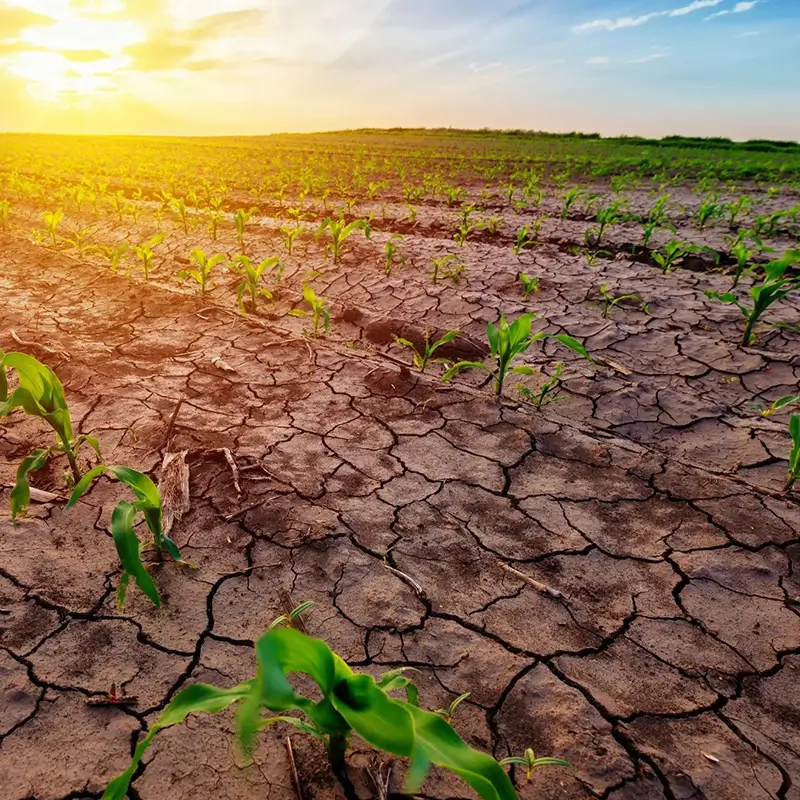
Beyond genes, scientists are also exploring biomimicry—the design of agricultural materials that emulate cactus properties. For instance, hydrophobic coatings inspired by cactus epidermis can be applied to seeds or leaves to minimize surface water loss. Such innovations extend the cactus legacy from natural physiology into practical agronomic solutions, embedding resilience within the very fabric of crop production.
Integrating Cactus Traits into Traditional and Emerging Crops
The applications of cactus-inspired drought resistance traverse both traditional and novel crops. Researchers are experimenting with integrating CAM photosynthesis pathways into C3 and C4 plants, fundamentally altering their uptake and water usage patterns. This is no small feat, as it requires reprogramming complex physiological processes, but the potential payoff is transformative—a paradigm shift from water-intensive to water-efficient farming.
Parallel efforts explore selective breeding and hybridization with drought-tolerant species, guided by molecular markers discovered in cactus genomes. This multipronged approach ensures that resilience is not an abstract ideal but a tangible trait manifest in the resilience of global food systems.
Challenges and the Path Forward
Despite the promise held by cacti, the journey toward widespread agricultural adoption of cactus-derived traits is fraught with scientific and logistical challenges. Translating cactus biology into crop systems requires overcoming species-specific barriers—such as metabolic constraints and ecological compatibility. Moreover, ethical considerations and regulatory frameworks around genetic modification necessitate careful navigation.
Yet, the urgency imposed by global water shortages and climate volatility accelerates innovation. Collaborative efforts between geneticists, agronomists, and ecologists are forging pathways that bridge laboratory discovery with field-scale implementation. These endeavors not only embody scientific ingenuity but also a hopeful narrative—that nature’s ancient survivors like cacti might hold keys to securing humanity’s agricultural future.
Conclusion: Reimagining Agriculture Through the Lens of Cacti
To study cacti is to embark on an expedition into resilience itself. Their survival in some of Earth’s harshest landscapes challenges entrenched paradigms of crop production and water usage. The insights gleaned offer more than incremental improvements; they invite a wholesale reevaluation of agricultural strategies in a drying world.
As science continues to decode and adopt cactus traits, the once unassuming desert dwellers become symbols of hope—testaments to nature’s capacity for adaptation and a beacon guiding agriculture toward sustainability. Harnessing the power of cacti may well transform drought from a devastating limitation into an opportunity for innovation, ensuring food security amid uncertainty.
FAQ
How do cacti adapt to conserve water?
Cacti utilize a specialized photosynthesis process called Crassulacean Acid Metabolism (CAM) and have thick, waxy epidermis to minimize water loss.
What role do cacti play in developing drought-resistant crops?
Cacti provide insights into genetic traits and physiological adaptations that can be integrated into traditional crops to enhance their drought resistance.




Leave a Reply