
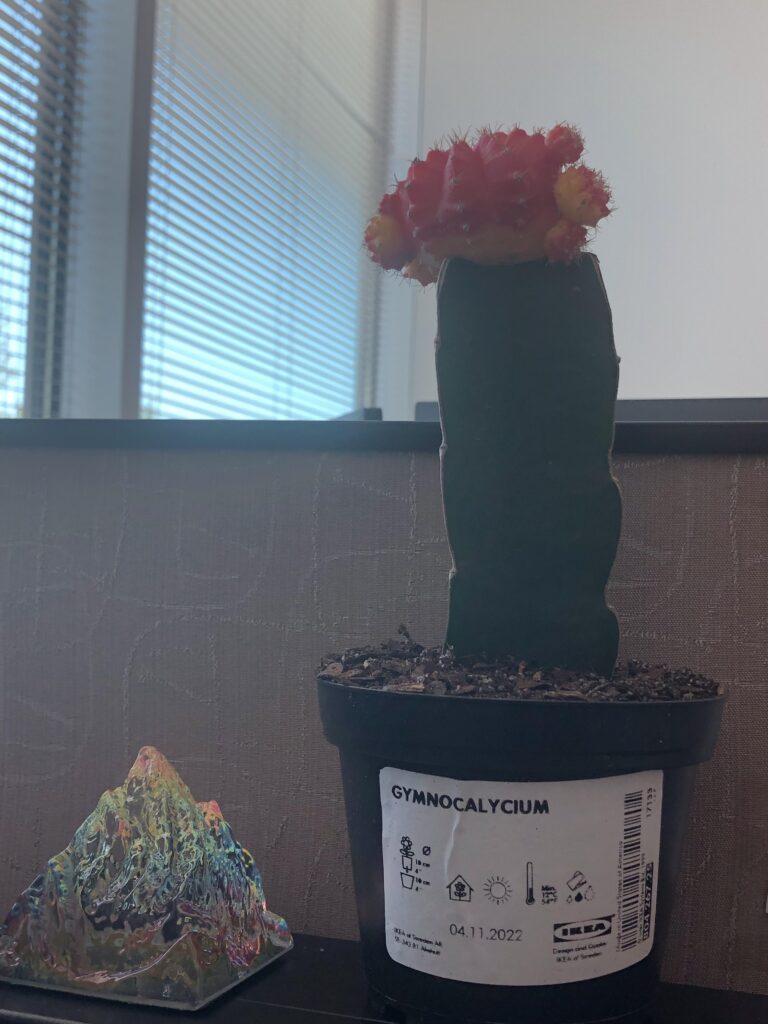
Short Answer
Have you ever gazed upon your Gymnocalycium, that spiky little sentinel of the desert, and wondered if it’s thirstier than a marathon runner at mile 20? Or perhaps you’ve drowned it in affection—er, water—only to watch its roots stage a mutiny? Fear not, fellow plant whisperer! The art of watering these resilient yet delicate cacti is less about rigid schedules and more about reading the whispers of the soil and the sighs of the stems. Let’s dive into the nuanced world of Gymnocalycium hydration, where overwatering is the villain, and under-watering is merely a stern suggestion.
The Myth of the “One-Size-Fits-All” Watering Schedule
Ah, the allure of a simple rule: “Water every two weeks!” But plants, much like humans, are not fond of being boxed into neat little categories. Gymnocalycium, those jewel-like cacti native to South America’s sunbaked landscapes, thrive on inconsistency—or at least, inconsistency in our expectations. Their natural habitat is a rollercoaster of drought and deluge, where rain is a rare guest and survival depends on storing every precious drop.
So why do we insist on treating them like pampered houseplants? The truth is, Gymnocalycium’s watering needs are a dance between its dormant and active phases. During its growing season—typically spring and summer—it craves moisture, but not the kind that turns its roots into a soggy, anaerobic swamp. In winter, it’s a different story: a near-fasting period where even a drop of water is a betrayal. Ignore this rhythm, and you’ll either starve your cactus into submission or drown it in misplaced kindness.
Signs Your Gymnocalycium Is Crying for a Drink (or a Breakup)
Plants, much like exes, have a way of making their needs known—if you know how to listen. A thirsty Gymnocalycium will exhibit a subtle but unmistakable hunch: its ribs may appear slightly deflated, like a balloon that’s lost a bit of air. The spines might lose their usual bristly vigor, and the body could take on a duller hue, as if the desert sun has bleached its vibrancy away.
But here’s the twist: overwatering is a far sneakier foe. A cactus drowning in excess moisture will first mimic thirst—yellowing, softening, or even translucent patches—as if it’s begging for help. Then, the rot sets in. A foul, mushy odor wafts from the soil, and the base of the plant turns into a squishy, blackened mess. By then, it’s often too late. The key? Check the soil. If it’s damp to the touch, resist the urge to water. If it’s bone-dry, your Gymnocalycium is likely parched.
The Golden Rule: Soak and Dry (But Not Too Much)
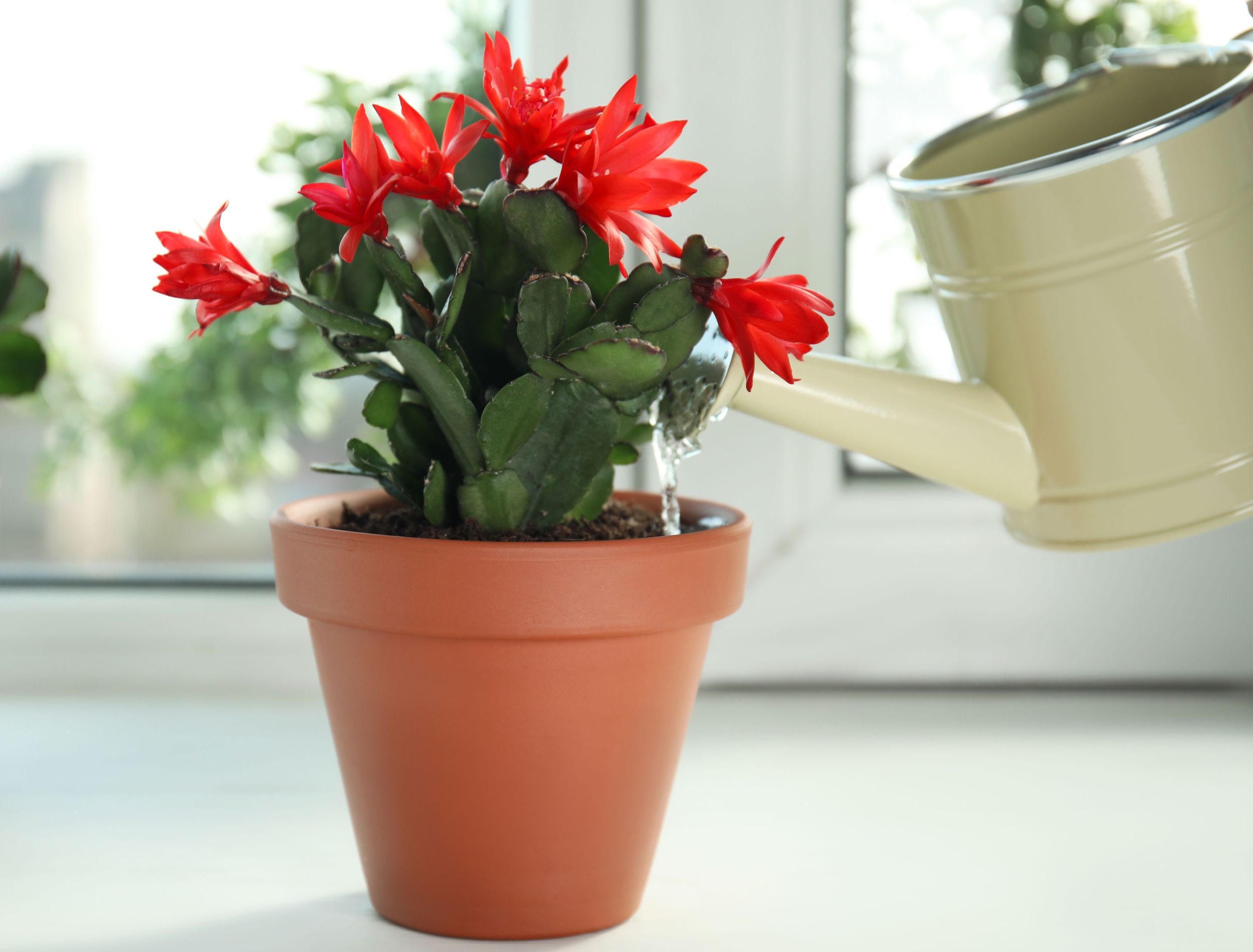
Forget the misting spray bottle and the daily sprinkle. Gymnocalycium despises half-measures. The ideal watering technique is a deep, thorough soak—until water drains freely from the bottom of the pot—followed by a prolonged dry spell. This mimics the desert’s sporadic downpours, where a single storm can sustain life for months.
But how do you know when to water again? Stick your finger into the soil. If the top inch is dry, it’s time. If it’s still clinging to moisture, walk away from the watering can. Seasonality matters too. In the peak of summer, you might water every 10–14 days. In cooler months, stretch that to a month or more. And if you’re growing your Gymnocalycium in a terrarium or a sealed container? Congratulations, you’ve just sentenced it to a slow, soggy demise. These cacti need airflow like a fish needs a bicycle.
Pottery Matters: The Unsung Hero of Cactus Care
Your Gymnocalycium’s pot isn’t just a pretty face—it’s a lifeline. Terracotta pots, with their porous walls, are the MVPs here. They wick away excess moisture, preventing the dreaded root rot. Plastic pots, on the other hand, are the equivalent of a waterbed for your cactus: comfortable until it’s not.
Drainage holes are non-negotiable. If your pot lacks them, drill some or resign yourself to a future of blackened stems and regret. And speaking of pots, size matters. A Gymnocalycium crammed into a cavernous pot is like a goldfish in a bathtub—it’ll drown in its own excess. Choose a container that’s just a smidge larger than the root ball, and your cactus will thank you with vibrant growth.
The Dreaded Overwatering Pitfall: When Kindness Becomes Cruelty
Overwatering isn’t just a mistake; it’s a slow-motion tragedy. The first act is subtle: a slight softening at the base, a hint of yellowing. The second act is the stench—rot has set in, and the roots are surrendering to fungal invaders. The third act? The plant collapses, a sad, mushy heap of what was once a proud desert dweller.
Prevention is simpler than you think. Water less frequently than you’d water a fern. Use a well-draining soil mix—think gritty, sandy, and airy, like a beach vacation for your cactus. And for the love of all things spiky, don’t let your Gymnocalycium sit in a saucer of water. It’s not a lily pad; it’s a drought-adapted survivor.
Seasonal Shifts: Adapting to Your Cactus’s Mood Swings
Gymnocalycium’s watering needs aren’t static; they’re a reflection of its internal clock. In spring, as the days lengthen, it wakes from its winter slumber and starts to stretch toward the light. This is when you can gradually increase watering, but always with caution. Summer is its prime time—water generously, but never let the soil stay soggy. As autumn arrives, taper off, and by winter, your cactus should be in a state of near-hibernation, surviving on the moisture stored in its fleshy body.
This seasonal rhythm is why keeping a watering journal can be a game-changer. Jot down dates, soil moisture levels, and your cactus’s appearance. Over time, you’ll start to see patterns—like how a particularly humid week might mean you can skip a watering, or how a heatwave demands an extra drink.
Final Thoughts: The Zen of Cactus Care
Watering Gymnocalycium isn’t about control; it’s about observation, intuition, and a dash of humility. These plants teach us patience, resilience, and the art of doing less. So next time you reach for the watering can, pause. Ask yourself: Is this a drink, or a drowning? Let the soil guide you, and your Gymnocalycium will reward you with years of steadfast, spiky companionship.
FAQ
How can I tell if my Gymnocalycium needs water?
Check the top inch of soil; if it's dry, it's time to water.
What type of pot is best for Gymnocalycium?
Terracotta pots are ideal as they allow moisture to escape.
Leave a Reply