
Short Answer
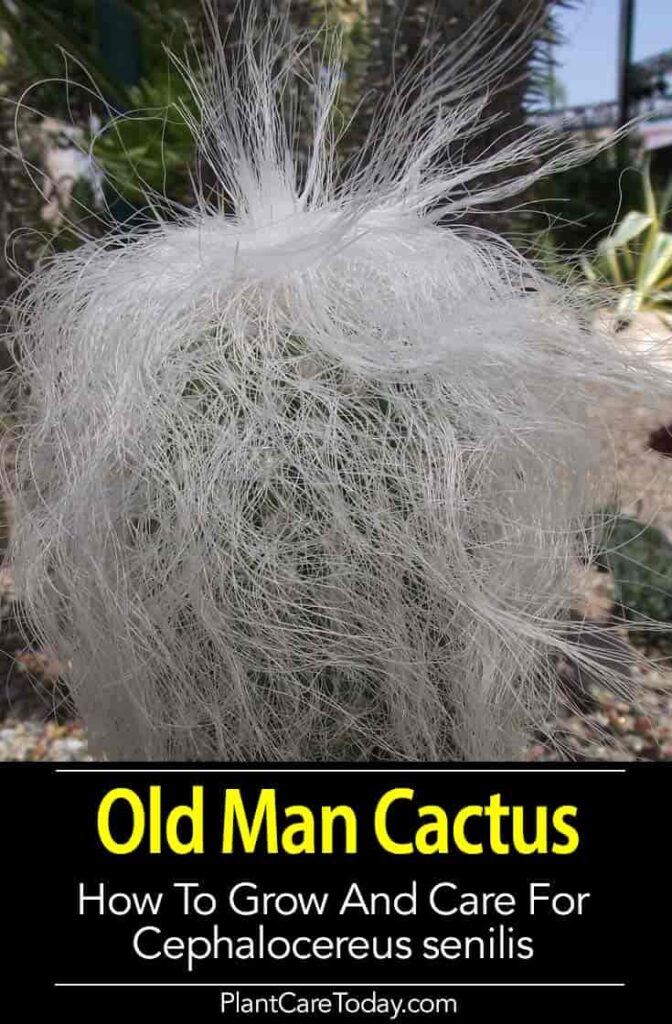
Prepare to embark on a fascinating journey into the realm of the Cephalocereus senilis, affectionately known as the Old Man Cactus. A plant that defies ordinary botanical expectations, it beckons gardeners and succulent enthusiasts alike to reconsider what it means to nurture and appreciate desert flora. Its distinctive “hairy” appearance is not merely an aesthetic curiosity but a marvel of evolutionary adaptation and subtle beauty. Growing this charismatic cactus promises to transform any collection, inviting not only admiration but a deepened respect for botanical resilience. As we delve into the intricate art of Cephalocereus care, expect your perspective on cactus cultivation to shift dramatically, sparking both intrigue and enthusiasm.
The Enigmatic Charm of the Old Man Cactus
With its elongated columnar body cloaked in a soft, silvery “hair,” the Old Man Cactus captivates with an aura of age-old wisdom and desert endurance. This unique filamentous covering isn’t merely decorative; it plays a pivotal role in protecting the plant from intense sunlight and drastic temperature swings. Intriguingly, these fine hairs act as a natural sunscreen, diffusing the harsh rays of the desert sun while also trapping moisture from the air—a masterstroke of survival. The visual effect imparts a venerable character, evoking images of ancient desert sentinels in the wild. Cultivating such a cactus brings a touch of the exotic and mysterious into your indoor garden or outdoor oasis.

Ideal Growing Conditions: Mimicking a Desert Symphony
To truly honor the Old Man Cactus and encourage its best growth, one must emulate its native environment with precision. Originating from the deserts of Mexico, this cactus thrives under bright, unfiltered sunlight. Ideally, it requires a minimum of 6 hours of direct sun each day—insufficient light will lead to etiolation, a lanky and weakened form that undercuts the plant’s robust nature. Equally crucial is the substrate composition; a gritty, porous soil that promotes rapid drainage is essential. This prevents the bane of cactus cultivation: root rot. A blend of coarse sand, pumice, and a small amount of organic matter mirrors the cactus’s original desert floor, fostering vigorous root development.
Watering Wisdom: The Blithe Art of Moderation
Watering a Cephalocereus is a delicate ballet of timing and restraint. Unlike verdant tropical plants, this cactus thrives on drought. Overzealous watering is the greatest threat, often causing the roots to suffocate or rot. During the active growing season—spring through early fall—hydrate sparingly, allowing the soil to dry out completely between waterings. In winter, when the cactus enters dormancy, water is virtually unnecessary; a light mist if the air is bone-dry may suffice. Listening to the plant’s subtle cues is paramount—the slight softening of the stem can signal thirst, while too firm and unmarred a texture means it’s content and hydrated. Mastering this nuanced approach cultivates not just health but longevity.

Nurturing Growth: Fertilization and Repotting Practices
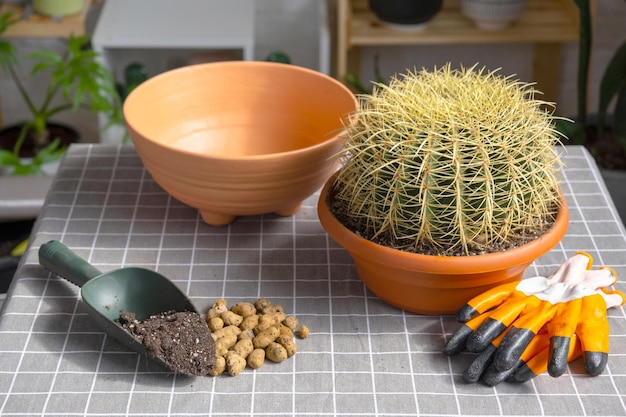
Feeding the Old Man Cactus is a subtle endeavor, requiring balanced nutrients without overwhelming its stoic metabolism. Utilization of a diluted, balanced cactus fertilizer during the spring and summer months supports blooming and healthy spination. An excess of nitrogen, however, can weaken the hair-like filaments or induce excessive, weak growth—meddling with the cactus’s majestic appearance. Repotting frequency is modest; every two to three years suffices, allowing the plant space to expand without stress. When repotting, handle with care to protect the delicate hairs, and select pots with excellent drainage to maintain an airy root environment.
Pests and Perils: Guarding Against Common Issues
Despite its hardy facade, the Old Man Cactus is not impervious to pests and environmental stresses. Mealybugs and spider mites can be stealthy adversaries, often hiding within the dense hair-like covering. Vigilance is essential; regular visual inspections and gentle cleaning with a soft brush or cotton swab dipped in rubbing alcohol can keep infestations at bay. Additionally, prolonged exposure to cold drafts or overly moist environments can trigger fungal infections. Ensuring airflow around the plant and avoiding excessive watering are frontline defenses. Recognizing early symptoms—discoloration, mushy spots, or abnormal hair loss—can save your cactus from serious damage.
The Magic of Maturation: Witnessing the Flowering Phenomenon
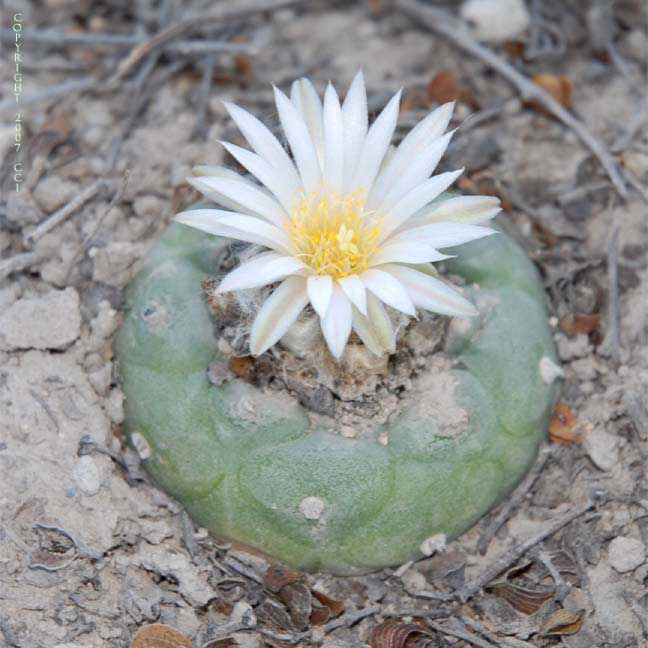
The ultimate reward of attentive Cephalocereus care manifests in the emergence of flowers. This event, however, is a spectacle reserved for cacti of considerable age—often decades old in the wild. Patience and dedicated stewardship cultivate the conditions for cephalium (a woolly flower-bearing section near the crown) development, which subsequently produces creamy white to pink nocturnal blossoms. These fleeting, fragrant flowers enchant the night, offering a glimpse into the cactus’s reproductive marvels. Cultivating the Old Man Cactus is not merely a horticultural pursuit; it’s a testament to endurance, nurturing, and the slow but majestic unfolding of nature’s grandeur.

Integrating the Old Man Cactus into Your Botanical Sanctuary
Beyond its intrinsic botanical allure, the Old Man Cactus provides an exquisite focal point in diverse garden settings—whether nestled in a sun-drenched windowsill, arrayed among desert succulents, or showcased as a solitary sculpture in rock gardens. Its unique texture and form create visual and textural contrast, sparking conversation and admiration. It invites gardeners to slow down, learn from its unhurried rhythm, and appreciate the paradox of a plant so resilient yet delicate. Incorporating it thoughtfully can elevate your horticultural collection from mundane to mesmerizing, enriching your daily experience with nature’s silent grandeur.
Embrace the challenge and joy of growing Cephalocereus senilis—not just as a plant, but as a botanical companion that promises to transform your perspective on gardening, patience, and natural beauty. The Old Man Cactus, with its wisdom-woven ‘hair’ and stoic silhouette, is waiting to share its desert secrets with those willing to nurture it with reverence and care.
FAQ
What are the ideal growing conditions for the Old Man Cactus?
The Old Man Cactus thrives in bright, unfiltered sunlight for at least 6 hours a day, with a gritty, porous soil for rapid drainage.
How often should I water my Cephalocereus?
Water sparingly during the growing season, allowing the soil to dry out completely between waterings, and minimize watering during winter dormancy.
What pests are common with Old Man Cactus?
Mealybugs and spider mites can be issues; regular inspections and gentle cleaning can help prevent infestations.
FAQ
What are the ideal growing conditions for the Old Man Cactus?
The Old Man Cactus thrives in bright, unfiltered sunlight for at least 6 hours a day, requires a gritty, well-draining soil, and prefers to be watered sparingly.
How often should I repot my Old Man Cactus?
Repotting should be done every two to three years to allow the plant space to expand without stress.
What pests commonly affect the Old Man Cactus?
Common pests include mealybugs and spider mites. Regular inspections and gentle cleaning can help manage these pests.
FAQ
What is the ideal light requirement for the Old Man Cactus?
The Old Man Cactus requires a minimum of 6 hours of direct sunlight each day for optimal growth.
How often should I water my Cephalocereus senilis?
Water sparingly during the growing season, allowing the soil to dry out completely between waterings.
What type of soil is best for the Old Man Cactus?
A gritty, porous soil mix that promotes rapid drainage is ideal for preventing root rot.
Can the Old Man Cactus flower indoors?
Yes, but flowering is more common in mature plants that are well-cared for and often takes decades.
FAQ
What is Cephalocereus senilis?
Cephalocereus senilis, commonly known as the Old Man Cactus, is a unique cactus known for its long, hairy appearance and resilience in harsh desert environments.
How often should I water my Old Man Cactus?
Water sparingly, allowing the soil to dry out completely between waterings, especially during the winter months when the cactus is dormant.
What are common pests that affect the Old Man Cactus?
Common pests include mealybugs and spider mites, which can hide in the plant’s dense hair.


Leave a Reply