

Short Answer
What if the next time you turn a corner in your city, you’re greeted not by a towering skyscraper or a bustling billboard, but by a towering cactus—its spiky silhouette painted in vibrant hues across a brick wall? Street art has long been a canvas for rebellion, storytelling, and cultural commentary, but lately, it’s sprouting a new obsession: desert flora. Among them, the humble cactus has emerged as an unlikely muse, transforming urban landscapes into surreal desert dreamscapes. These murals don’t just decorate—they challenge our perceptions of nature, urbanity, and the boundaries between the two. So, what happens when the arid heart of the desert takes root in the concrete jungle? Let’s dive into the prickly, colorful world of cactus-themed street art.
The Rise of the Desert in the City: Why Cacti Are Taking Over Walls
Street art has always been a mirror to society, reflecting its obsessions, fears, and fantasies. In recent years, environmental consciousness has surged, and with it, a fascination with resilient, drought-tolerant plants. Cacti, with their stoic endurance and striking forms, have become symbols of adaptation and survival. Artists are drawn to their geometric precision, their defiant spines, and their ability to thrive in harsh conditions—qualities that resonate in an era of climate anxiety.
But there’s more to this trend than mere symbolism. Cacti are visually arresting. Their bold silhouettes and textured surfaces offer artists a playground of contrasts: soft gradients against sharp edges, organic shapes against rigid architecture. A mural of a saguaro cactus against a fire escape isn’t just a plant—it’s a statement. It’s a reminder that nature isn’t confined to national parks or botanical gardens; it can—and does—burst into our daily lives, even in the most unexpected places.
Consider the way light plays on a cactus’s ribs in a mural. The artist doesn’t just replicate the plant; they capture its essence—the way it bends toward the sun, the way its shadows stretch like fingers across the pavement. These murals aren’t static. They’re alive, breathing, pulsing with the rhythm of the city.
From Prickly Pear to Giant Saguaro: The Diversity of Cactus Art
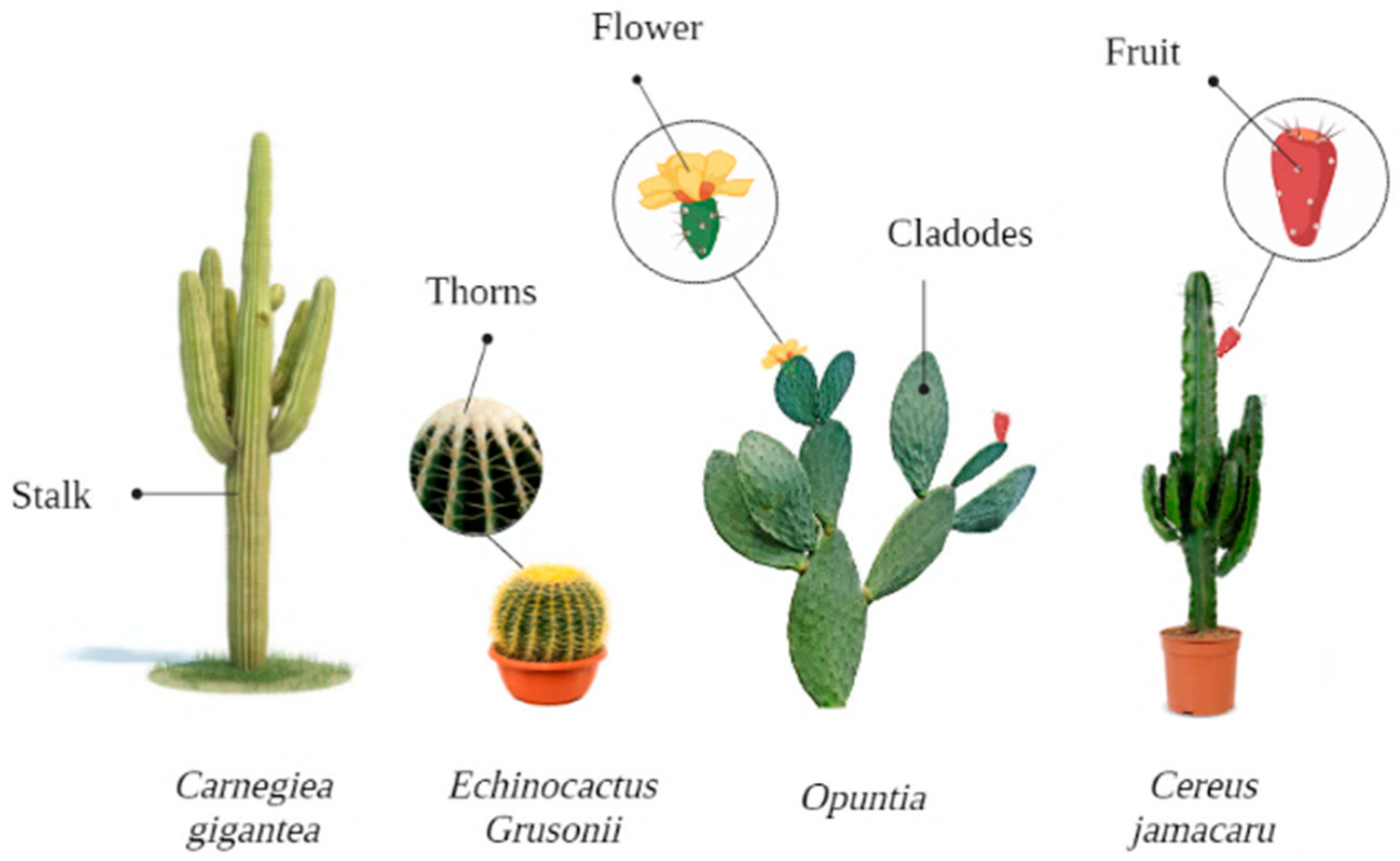
The world of cacti is vast, and street artists are mining its diversity with gusto. You’ll find delicate pencil cacti rendered in monochrome, their segmented arms twisting like calligraphy across a wall. There are towering saguaros, their arms outstretched as if embracing the sky, their trunks textured with the rough brushstrokes of a palette knife. And then there are the prickly pears, their flat pads bursting with color—fuchsia, tangerine, lime green—like a candy store exploded against a brick facade.
Some artists take a minimalist approach, using negative space to let the cactus’s form speak for itself. Others go maximalist, layering neon hues and surrealist details—imagine a cactus with a face, or one that’s sprouting wings like a desert angel. The variety is staggering, but one thing unites them all: a sense of wonder. These aren’t just plants; they’re characters in a larger narrative, each with its own personality and story.
Take, for example, a mural of a barrel cactus in a dimly lit alley. The artist has used chiaroscuro to dramatic effect, casting half the plant in shadow and half in golden light. The spines aren’t just lines—they’re daggers, bristling with tension. It’s a study in contrast, a dance between light and dark, softness and sharpness. This is street art as fine art, pushing the boundaries of what we expect from urban canvases.
The Challenge of Scale: Painting a Cactus on a Wall
Creating a cactus mural isn’t as simple as slapping some green paint on a wall and calling it a day. The scale alone is a formidable challenge. A saguaro can reach 40 feet tall in the wild, but on a city wall, every inch must be meticulously planned. Artists often start with a grid, scaling up their designs from a small sketch to a full-blown masterpiece. Mistakes aren’t just visible—they’re glaring.
Then there’s the issue of perspective. A cactus in the desert grows upward, but on a wall, it might need to twist or lean to fit the space. Artists must consider how the mural will be viewed—from street level, from a passing car, or from a drone’s aerial perspective. A poorly executed cactus can look like a deflated balloon, its proportions all wrong. But when done right? It’s a triumph of artistry, a testament to the artist’s skill and vision.
Materials play a role too. Spray paint is the medium of choice for many street artists, but it’s not without its challenges. The texture of a cactus’s ribs might require layering, blending, and even sanding to achieve the right effect. Some artists incorporate mixed media, using tiles, mosaic, or even 3D elements to give their cacti depth and dimension. The result is a tactile experience, inviting passersby to reach out and touch—even if they hesitate at the last second, wary of those spines.
Cacti as Cultural Icons: Symbolism in Street Art
Beyond their aesthetic appeal, cacti carry deep cultural significance. In Mexican folklore, the cactus is a symbol of resilience, a plant that thrives where others wither. It’s no coincidence that many cactus murals appear in neighborhoods with strong Latinx communities, where the imagery resonates on a personal level. These murals become more than art—they’re affirmations, declarations of identity and pride.
In other contexts, cacti take on new meanings. A mural of a blooming cactus might symbolize hope, a promise that beauty can emerge even in the harshest conditions. A cactus with a broken spine could represent struggle, a visual metaphor for overcoming adversity. Artists use these plants to tell stories, to provoke thought, and to challenge viewers to see the world differently.
Consider a mural in a gentrifying neighborhood, where a once-neglected wall now features a towering cactus, its arms outstretched as if to shield the community from change. The imagery is deliberate. It’s a reminder of what was there before, of the roots that run deep beneath the pavement. Street art, at its best, doesn’t just decorate—it preserves, it protests, it persists.
The Interactive Cactus: Murals That Invite Participation
Some cactus murals don’t just sit there—they invite interaction. Artists are experimenting with augmented reality (AR) and augmented reality (AR) elements to bring their creations to life. Imagine scanning a QR code on a wall, and suddenly, the cactus on the mural starts to bloom, its petals unfurling in real time. Or perhaps it’s a cactus that “grows” as you walk past, its arms stretching taller with each step you take.
These interactive murals blur the line between art and experience. They turn passive viewers into active participants, encouraging them to engage with the artwork—and, by extension, with the space around them. It’s a playful challenge: How can a mural not just be seen, but felt? How can it respond to the people who encounter it?
Some artists take a more tactile approach, creating murals that incorporate physical elements. A cactus mural might feature real soil and pebbles embedded in the paint, or it might be designed to cast shadows that change with the time of day. These details transform a static image into a living, breathing part of the urban ecosystem.
The Future of Cactus Street Art: What’s Next?
As street art continues to evolve, so too will the role of cacti in it. We’re already seeing artists experiment with new techniques, from AI-generated cactus designs to murals that change color with the seasons. The possibilities are endless, but one thing is certain: the cactus is here to stay.
What’s next? Perhaps we’ll see entire “desert districts” emerge in cities, where walls are transformed into sprawling cactus gardens. Maybe artists will collaborate with botanists to create murals that double as vertical gardens, their plants thriving alongside the paint. Or perhaps cactus murals will become a form of activism, a way to highlight the impact of climate change on desert ecosystems.
One thing is clear: the cactus is more than just a plant. It’s a symbol, a challenge, a canvas, and a conversation starter. And as long as artists continue to find inspiration in its prickly beauty, the desert will keep blooming in the most unexpected places.

The saguaro cactus, a towering sentinel of the Sonoran Desert, finds new life on an urban canvas. The artist has captured its iconic silhouette with a palette that defies convention, blending traditional desert imagery with a surreal, almost dreamlike quality. The spines are rendered with such precision that they seem to shimmer in the sunlight, while the background fades into a gradient of twilight blues and purples, as if the cactus is glowing from within.

This close-up of a prickly pear cactus is a riot of color and texture. The artist has eschewed realism in favor of a more abstract approach, using bold strokes and unexpected hues to bring the plant to life. The pads of the cactus are a riot of pink, orange, and yellow, their edges jagged and uneven, as if they’ve been torn from the pages of a comic book. The background is a deep, inky black, providing a stark contrast that makes the colors pop. It’s a mural that demands attention, a splash of vibrancy in an otherwise drab urban landscape.

In this surreal mural, the cactus takes on a life of its own, its form twisted into something both familiar and alien. The artist has given it a human face, its features rendered with a mix of tenderness and menace. The arms are outstretched, as if in greeting or warning, their spines sharp and unyielding. The background is a swirl of colors, a chaotic blend of blues, greens, and yellows that suggests movement and energy. It’s a mural that challenges the viewer, inviting them to look closer, to question what they’re seeing. Is it a cactus? Is it a person? Or is it something in between?
FAQ
What is the significance of cacti in street art?
Cacti symbolize resilience and adaptation, resonating with themes of environmental consciousness and cultural identity.
How do artists create cactus murals?
Artists often use techniques like scaling, perspective planning, and mixed media to depict cacti realistically on urban walls.
Leave a Reply