
Short Answer
In the lush realm of holiday flora, few plants captivate the imagination quite like the vibrant holiday cacti. Among them, two siblings often stir curiosity and occasional confusion: the Christmas Cactus and the Thanksgiving Cactus. Like familiar cousins attending the same family reunion, these two plants share a seasonal charm yet reveal distinctive personalities upon closer inspection. Their subtle nuances weave a botanical tale of form, bloom time, and habitat. Embark on this verdant journey, where we unravel the mystery of these festive favorites and discover how to tell the difference between the Christmas Cactus and its autumn counterpart, the Thanksgiving Cactus.
Botanical Origins and Seasonal Storytelling
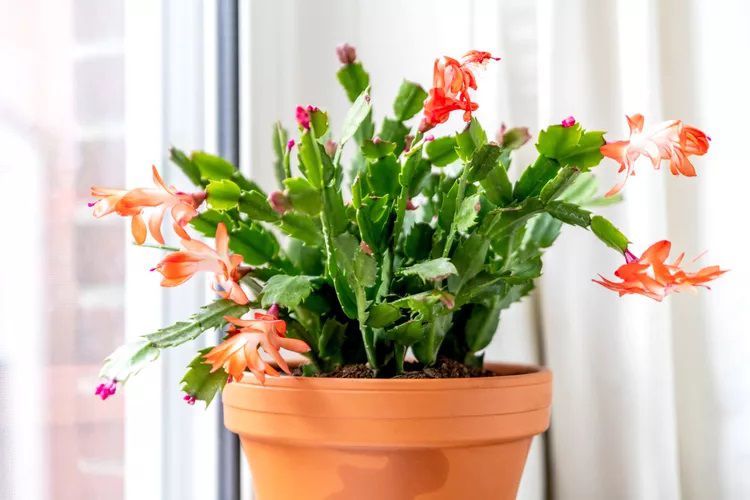
Both plants hail from the fascinating Schlumbergera genus, native to the mist-covered, humid forests of Brazil. Yet, while their roots intertwine in the tropical wilderness, seasonal rhythms diverge. The Thanksgiving Cactus, scientifically known as Schlumbergera truncata, earns its name from its traditional bloom period in late fall, making an appearance right around Thanksgiving. Conversely, the Christmas Cactus, or Schlumbergera bridgesii (sometimes classified as Schlumbergera x buckleyi), heralds winter’s arrival with blooms peaking closer to Christmas.
These contrasting bloom times are like choreographed dances, timed to herald different chapters of the holiday saga. The Thanksgiving Cactus bursts forth as the autumn leaves rustle down, while the Christmas Cactus paints its vibrant strokes amid the frosty air and twinkling lights of December.
:max_bytes(150000):strip_icc()/thanksgiving-cactus-care-guide-5199419-hero-78a44308e21d40efa9b2f02dceabe8d3-636a7cdcebc9497ab268c6ea7ff89381.jpg)
Distinctive Morphology: The Leaf and Spine Ballet
At first glance, the leaf segments (technically, flattened stems called cladodes) of these plants whisper subtle secrets that distinguish one from the other. Imagine the Thanksgiving Cactus leaves as sharp-edged dancers, with pointed, claw-like projections resembling crab pincers along the segment margins. Their precise jagged edges are a hallmark of Schlumbergera truncata, evoking a sleek architectural elegance.
The Christmas Cactus, in contrast, performs a softer ballet. Its segments feature smoother, rounded edges that lack the pointed “claws,” giving the plant a gentler, more flowing silhouette. This morphology lends the Christmas Cactus a more delicate appearance, almost like petals gently unfurling in a winter breeze. These subtle physical cues are invaluable when identifying your botanical companions — a tactile riddle in leaf form.

Flower Structure and Hue Variations: A Floral Lexicon
Flowers tell the story of identity in botanical language, and here the holiday cacti don their brightest cloaks. The Thanksgiving Cactus typically boasts flowers with sharply pointed petals that mimic its leaves’ jagged elegance — almost like tiny trumpets or icy daggers, protruding in vivid magenta, red, or coral tones. These flowers often have a dramatic flair, with petals splaying outwards and inviting pollinators into their intricate playground.
Conversely, the Christmas Cactus petals are usually more rounded and overlap with a gentler curve, their colors ranging from soft pinks to pastels, though vivid reds aren’t uncommon. The blooms cascade gracefully, resembling strings of miniature lanterns swaying in the holiday breeze. Petal shape and flower timing together create a symphony of seasonal heralding — each plant announcing its story with an unmistakable voice.
Growth Habit and Care: Cultivating Character
Beyond appearances, these cacti divulge their differences through growth habits and preferred care conditions. The Thanksgiving Cactus tends to be more forgiving in varying conditions, flourishing in moderately bright light and slightly cooler temperatures typical of early autumn. It appreciates a watering routine that supports slow, steady growth with well-drained soil, avoiding the soggy pitfalls of overzealous hydration.
The Christmas Cactus, however, is a bit more particular. It thrives in slightly warmer environments, with indirect but bright light to coax its signature red blooms. More sensitive to temperature fluctuations, this cactus delights in stable warmth and slightly higher humidity — conditions reminiscent of its jungle lagoon origins during the peak winter months.
Both plants reward attentive caretakers with lengthy bloom periods, but understanding their preferences accelerates their symbiotic flourishing. Like learned companions, they respond best when nurtured according to their subtle distinctions.
Holiday Significance and Symbolism: More Than Just Decor
These cacti are more than seasonal ornaments; they are living emblems of celebration and endurance. The Thanksgiving Cactus, blossoming as families gather around autumn tables, represents gratitude and the bountiful finale of the harvest year. Its sturdy nature and spiky leaves symbolize resilience and readiness for change.
The Christmas Cactus embodies hope and renewal, blooming amidst the darkest days of the year. Its lush flowers herald festive joy and the promise of light returning, often gifted as a symbol of friendship and goodwill during the holidays. Positioned on mantels or windowsills, it becomes a silent storyteller of warmth, bridging chilly nights with bursts of vibrant life.

Navigating Confusion: Practical Tips for Identification
For the untrained eye, discerning the Thanksgiving Cactus from the Christmas counterpart can be as challenging as distinguishing whispers in a forest. However, a few practical strategies can illuminate the path:
- Observe the Bloom Calendar: Note when your plant flowers. Late fall points toward Thanksgiving; mid-to-late December signals Christmas.
- Examine the Leaf Edges: Jagged, claw-like segments mean Thanksgiving; smooth, rounded edges indicate Christmas.
- Look at the Flower Shape: Sharp-petaled flowers herald Thanksgiving; rounded, lantern-like blooms suggest Christmas.
- Consider Growth Conditions: Plants thriving in cooler autumn conditions are more likely Thanksgiving varieties; those favoring warmer winter niches lean toward Christmas.
With patience and keen observation, these clues transform confusion to clarity, empowering enthusiasts to cultivate and celebrate their unique holiday cactus.
Conclusion: Embracing the Unique Charms of Holiday Cacti
Like two gleaming jewels in nature’s festive crown, the Christmas and Thanksgiving cacti each offer their own beguiling allure. Understanding their distinct traits is akin to decoding an elegant botanical poetry — where leaf shape, bloom time, and cultural significance converge into a tapestry rich with meaning.
Welcoming either one into your home is a celebration of nature’s artistry and a reminder that even closely related beings have unique tales to tell. Whether heralding Thanksgiving’s warmth or Christmas’s sparkle, these cacti invite us to slow down, appreciate subtleties, and revel in the flourishing beauty of the holiday season.
FAQ
How can I identify a Thanksgiving Cactus?
Look for jagged leaf edges and blooms around Thanksgiving.
What are the care requirements for a Christmas Cactus?
It thrives in indirect light and warmer temperatures, requiring slightly higher humidity.


Leave a Reply