
Short Answer
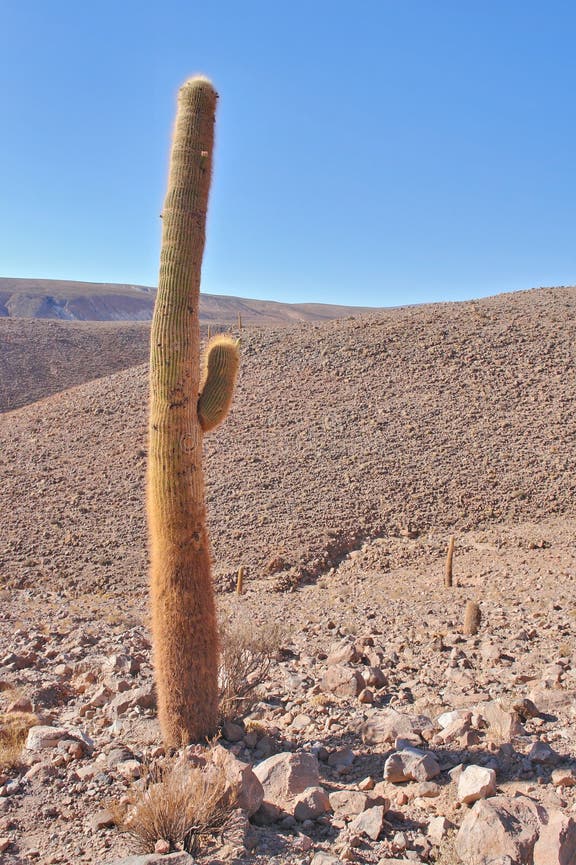
The Atacama Desert stretches like a sun-bleached dream across northern Chile, a vast, arid canvas where the earth seems to exhale silence. Yet, amid this stark expanse, a quiet rebellion thrives—one rooted not in defiance, but in resilience. The cacti here are not mere survivors; they are sculptors of the landscape, carving out pockets of life where none should exist. What if the desert’s harshness is not a barrier, but an invitation? What if the cacti, with their spiny defiance and slow, deliberate growth, hold the key to understanding not just survival, but flourishing?
The Cacti: Masters of Arid Elegance
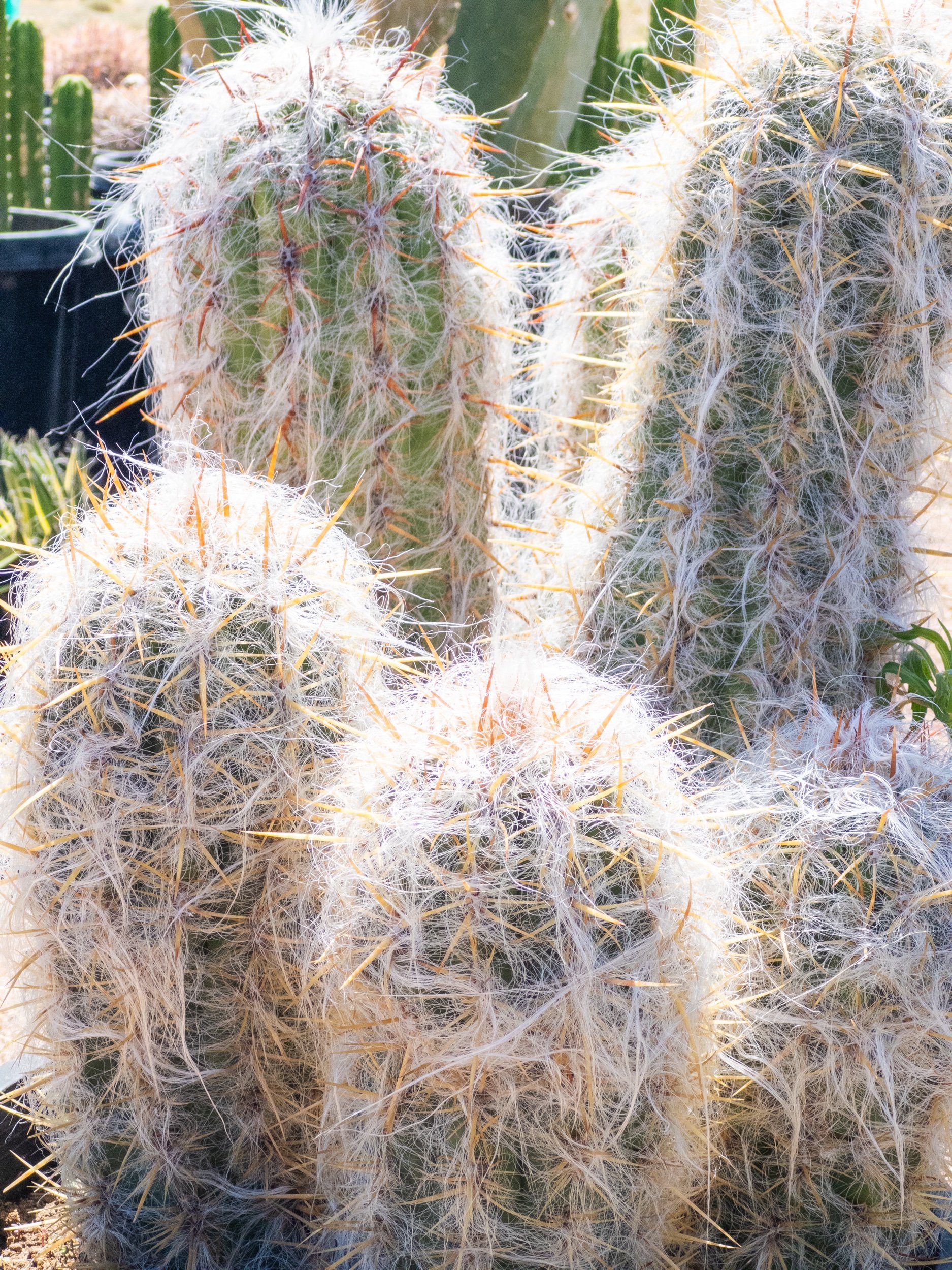
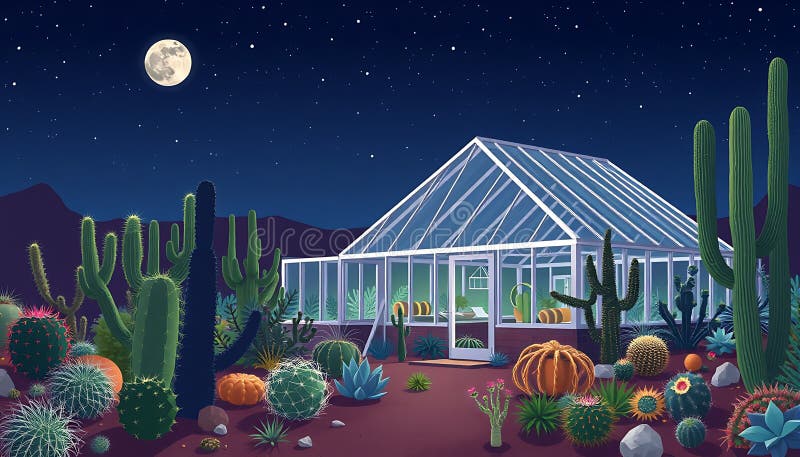
Behold the cacti of the Atacama—each a testament to nature’s ingenuity. The Eulychnia acida, or candelabra cactus, stands like a gnarled chandelier, its arms reaching skyward in defiance of the relentless sun. Its ribs, a lattice of green and silver, store water with the precision of a miser hoarding gold. Nearby, the Echinopsis atacamensis, or cardón, grows in such density that entire groves resemble a forest of stone. These aren’t just plants; they are living sculptures, their forms shaped by millennia of wind and scarcity.
But here’s the playful challenge: How does a cactus, a being so unyieldingly still, command such presence? It doesn’t chase the sun—it basks in it. It doesn’t flee the drought—it embraces it. The Atacama’s cacti teach us that strength isn’t found in motion, but in stillness; that beauty isn’t born from abundance, but from scarcity. To love these plants is to admire a kind of quiet revolution.

The Desert’s Crucible: Where Life Learns to Thrive
The Atacama isn’t just dry—it’s a place where the rules of life are rewritten. Rainfall is measured in millimeters per decade. The soil is laced with salt and copper, a legacy of ancient volcanic fury. Yet, against all odds, life persists. The cacti here have evolved in ways that boggle the mind. Some, like the Copiapoa genus, have developed thick, waxy skins to minimize water loss. Others, such as the Neoporteria species, grow in tight clusters, creating microclimates where moisture lingers like a secret.
This is where the desert’s paradox reveals itself: its harshness is not a curse, but a crucible. The cacti that call it home are not weaklings; they are alchemists, turning adversity into art. Their spines aren’t just for defense—they’re for shade. Their slow growth isn’t laziness; it’s strategy. To walk among them is to witness evolution in its most unapologetic form.
The Human Connection: A Love Affair with Thorns
Humans, too, have fallen under the Atacama’s spell. Indigenous communities, like the Atacameño people, have long revered these cacti—not just as resources, but as kin. The cardón’s wood, lightweight yet sturdy, was once used to build homes. Its sap, fermented, became a sacred drink. Even today, the cacti of the Atacama are more than flora; they are cultural touchstones, symbols of endurance and ingenuity.
Yet, this relationship is not without tension. Tourism, while a boon for local economies, threatens to trample the very landscapes that draw visitors. The footprints of careless travelers can linger for decades in this fragile ecosystem. So here’s the challenge: Can we love these plants without loving them to death? Can we admire their resilience without eroding the conditions that allow them to thrive?
The Cactus Canyon: A Hidden Oasis of Wonder
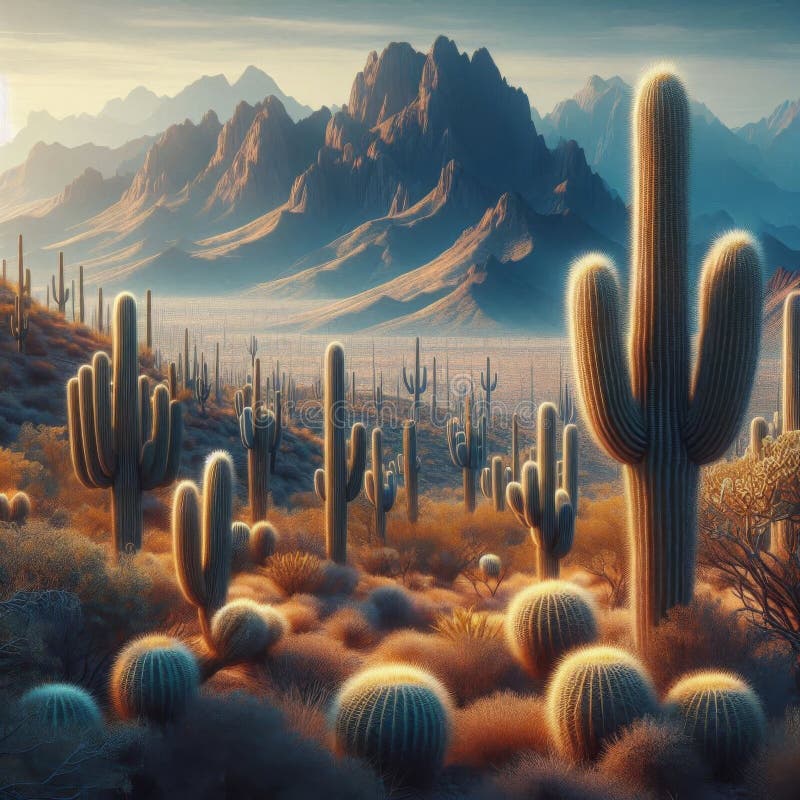
Tucked away in the desert’s folds is a place that feels like a secret—Cactus Canyon. Here, the land dips into a shallow basin, creating a natural basin where moisture collects. The result? A congregation of cacti so dense, so vibrant, that it feels like stepping into another world. The Eulychnia and Echinopsis species stand shoulder to shoulder, their silhouettes etched against the ochre sky like a chorus of ancient sentinels.
This is where the desert’s magic is most palpable. The air hums with the quiet energy of life refusing to surrender. The canyon isn’t just a landscape; it’s a living museum, a place where the past and present collide in a symphony of spines and stone. To stand here is to feel the pulse of the desert itself—a reminder that even in the most inhospitable places, life finds a way.
The Future: Can We Be Worthy of This Beauty?
The Atacama’s cacti are not just survivors; they are storytellers. Their rings, like the lines on a palm, tell tales of drought and deluge, of centuries of silent witness. But their stories are not just for the desert to keep. They are for us—for our curiosity, our humility, our willingness to learn. The challenge, then, is not just to visit, but to listen. To walk softly. To leave no trace but footprints that fade with the wind.
So, the next time you find yourself in the Atacama, ask yourself: Are you here to take, or to marvel? Are you here to conquer, or to connect? The cacti have already shown us the way. They ask only for respect—and in return, they offer a lesson in resilience that no classroom could ever teach.
FAQ
What is the Atacama Desert known for?
The Atacama Desert is known for its extreme aridity and unique cactus species that have adapted to survive in harsh conditions.
What types of cacti can be found in the Atacama Desert?
Notable cacti include the Eulychnia acida and Echinopsis atacamensis, both of which have evolved special adaptations to thrive in the desert.
How does tourism affect the Atacama Desert's ecosystem?
While tourism can benefit local economies, it poses risks to the fragile ecosystems of the Atacama Desert, including damage to the habitats of native cacti.

Leave a Reply