
Short Answer
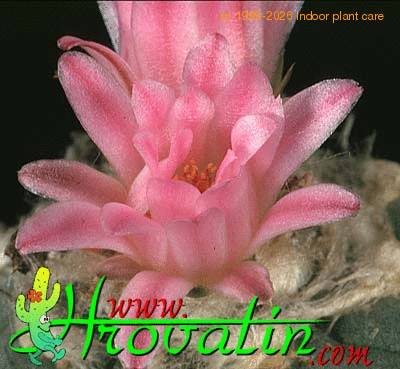
There’s something quietly revolutionary about the act of repotting a Lophophora—those small, spineless cacti that seem to defy the harshness of their natural habitats with an almost stubborn grace. You’ll often hear growers marvel at how these plants thrive in conditions that would wither most others, their resilience mirroring the quiet strength of those who tend them. But repotting isn’t just a chore; it’s a ritual, a moment of communion between caretaker and plant, where patience and precision become acts of devotion. The fascination isn’t merely in the process itself but in the deeper understanding it reveals: that growth, even in the most unassuming forms, demands care, attention, and a willingness to embrace the messiness of transformation.
The Art of Timing: When to Repot Your Lophophora
Timing is everything. You wouldn’t uproot a seedling in the dead of winter, just as you wouldn’t ignore a Lophophora that’s outgrown its home. The ideal moment arrives when roots begin to peek out from drainage holes or when the soil has become a compacted, lifeless husk. This isn’t just about aesthetics—it’s about survival. A cramped root system stifles growth, and stagnant soil breeds disease. Yet, rushing the process can be just as damaging. The plant’s dormant phases, often in late winter or early spring, are the sweet spot. Here, the Lophophora’s slow metabolism works in your favor, minimizing stress. Watch for subtle cues: a slight lift in the soil’s surface, a hint of yellowing at the base—these are the plant’s silent pleas for a new vessel.
Choosing the Right Vessel: Size, Material, and Mindset
Not all pots are created equal, and neither are all growers. The Lophophora thrives in shallow, wide containers that mimic its natural, sprawling habitat. Terracotta is a classic choice—its porous nature wicks away excess moisture, preventing the dreaded root rot that claims so many cacti. But don’t overlook the psychological dimension of the vessel. A pot that feels too large can overwhelm the plant, while one that’s too snug feels like a straitjacket. The Lophophora’s compact form demands a balance: just enough room for expansion without the void of unused space. Consider the material’s thermal properties too. In scorching summers, a lighter-colored pot reflects heat; in chilly winters, terracotta retains warmth. The vessel becomes an extension of your care, a silent partner in the plant’s journey.
The Soil Alchemy: Crafting a Home for Roots
Soil isn’t just dirt—it’s a lifeline. A Lophophora’s native soils are gritty, mineral-rich, and devoid of organic matter that would hold too much moisture. Replicating this isn’t about precision but intuition. Start with a base of cactus mix, but don’t stop there. Add perlite or pumice for aeration, a handful of coarse sand to mimic the desert’s texture, and a whisper of crushed limestone to replicate the alkaline conditions these plants adore. The goal isn’t sterility but harmony. The soil should crumble like fresh bread when squeezed, never clumping or slick with moisture. This isn’t just horticulture; it’s a form of environmental storytelling, where every grain whispers of arid landscapes and relentless sun.
The Gentle Extraction: Handling Roots with Reverence
Here’s where the metaphor deepens. Extracting a Lophophora from its pot is like disentangling a tightly woven tapestry—each thread (or root) matters. Begin by running a knife along the pot’s inner rim to loosen the soil’s grip. Tilt the plant sideways, cradling the base as if it were a fragile artifact. If resistance persists, don’t force it. Instead, tap the pot’s edges or soak the root ball in water to coax the soil free. The roots themselves are a revelation: some will be firm and white, others brown and papery. Trim only the dead or mushy ones—healthy roots are sacred. This isn’t just gardening; it’s a lesson in patience, where brute force has no place, and gentleness is the only path to renewal.
Positioning the Plant: The Sacred Geometry of Placement
How you position the Lophophora in its new home isn’t arbitrary. The plant’s orientation matters. If it’s been leaning toward the light in its old pot, replicate that tilt in the new one. The goal is continuity, a seamless transition from old to new. Bury the base just enough to stabilize it, but never so deep that the soil smothers the crown. Leave a finger’s width between the soil’s surface and the pot’s rim—this space prevents overflow during watering and allows for future top-dressing with grit. The act of positioning is almost meditative. You’re not just placing a plant; you’re choreographing its next chapter, ensuring every angle maximizes light and airflow.
The First Watering: A Ritual of Renewal
Watering after repotting is where many well-intentioned growers falter. The impulse to drench the soil is strong, but the Lophophora’s post-repot state is delicate. Wait a week. Let the roots settle, the micro-tears in the root system callous over. When you do water, do it sparingly—a light misting, not a deluge. The soil should be moist but never soggy. This isn’t just about avoiding rot; it’s about signaling to the plant that this is a new beginning, not a continuation of the old. The first sip of water after repotting is like the first breath of spring after a long winter—it’s a promise, a renewal, a quiet celebration of life’s persistence.
Post-Repot Care: The Art of Watchful Waiting
The weeks following repotting are a test of restraint. Resist the urge to fuss. The Lophophora doesn’t need daily check-ins or excessive coddling. Instead, observe. A slight wrinkling of the skin might indicate underwatering; a soft, mushy base suggests overwatering. Rotate the pot occasionally to ensure even light exposure, but don’t overhandle the plant. This is its time to acclimate, to root itself in its new environment. The fascination here lies in the unseen: the microscopic dance of mycorrhizal fungi colonizing the roots, the slow unfurling of new spines, the quiet expansion of the caudex. You’re not just a caretaker; you’re a witness to a silent revolution.
The Deeper Fascination: What Repotting Reveals
Beyond the practicalities, repotting a Lophophora is a meditation on resilience. These plants endure conditions that would cripple most others—scorching sun, parched soils, the relentless pressure of their own growth. Yet they thrive, not in spite of their hardships but because of them. The act of repotting mirrors this philosophy: it’s a controlled disruption, a necessary upheaval that leads to stronger, more vibrant life. There’s a feminist undertone here, too. The Lophophora’s ability to flourish in inhospitable spaces is a quiet rebellion against the idea that growth requires perfection. It thrives in imperfection, in the cracks of terracotta pots and the uneven layers of gritty soil. Repotting isn’t just about changing a plant’s home; it’s about embracing the messy, necessary process of transformation—and finding strength in it.
FAQ
How do I know when my Lophophora needs repotting?
Look for roots emerging from drainage holes or compacted soil that hinders growth.
Can I use any pot for repotting Lophophora?
No, choose shallow, wide terracotta pots that allow good aeration and moisture control.
Should I prune the roots when repotting?
Only trim dead or mushy roots; healthy roots should be left intact.
How much soil should cover the base of the plant?
Cover enough to stabilize the plant, but avoid burying the crown deeply.

Leave a Reply