
Short Answer
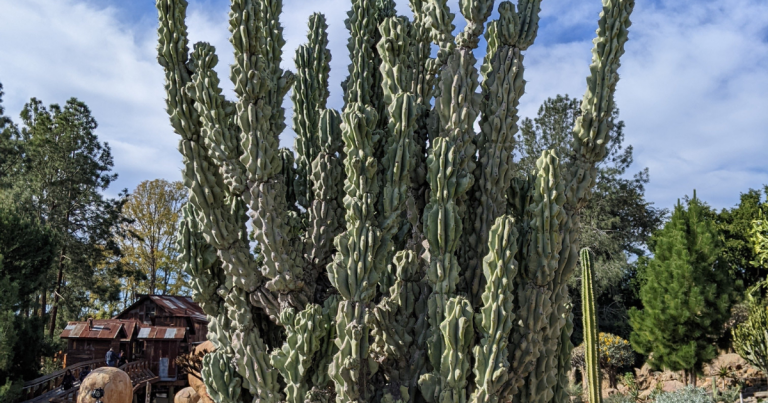
In the arid expanse of deserts and the sun-baked crevices of rocky terrains, cacti stand as sentinels of resilience, their spiny silhouettes etched against the horizon. These succulent marvels are not merely survivors; they are architects of microcosms, their roots weaving intricate networks that sustain entire ecosystems. Soil health, often overlooked in the grand narrative of flora, is the unsung hero in this story—a silent partner in the cactus’s quest for survival. Understanding the symbiotic relationship between cacti and their subterranean homes reveals a world where every grain of sand and every drop of moisture tells a tale of adaptation, endurance, and ecological interdependence.
The Foundations of Resilience: How Cactus Roots Shape Soil Structure
Beneath the prickly exterior of a cactus lies a root system that is nothing short of revolutionary. Unlike the sprawling, fibrous roots of many plants, cacti often deploy a dual strategy: shallow, widespread roots to capture fleeting rainfall, and deep taproots to anchor themselves against the merciless winds and extract moisture from deeper strata. This dichotomy is not merely a quirk of evolution but a masterclass in resource optimization. Shallow roots, often extending no deeper than a few inches, act as a sponge, soaking up the brief, sporadic showers that define arid climates. Meanwhile, taproots plunge into the earth, sometimes reaching depths of 20 feet or more, tapping into groundwater reserves that remain untouched by the sun’s relentless gaze.
The act of root penetration itself is a transformative force. As roots grow, they fracture compacted soil, creating micro-channels that improve aeration and water infiltration. This process, known as bioturbation, is akin to nature’s own tilling, loosening the earth and fostering conditions where other plants—even those less drought-tolerant—can take root. In this way, cacti are not solitary actors but keystone species, their presence reshaping the very ground they inhabit. The soil, in turn, becomes a dynamic entity, its structure evolving in response to the cactus’s needs and, by extension, the needs of the ecosystem it supports.
Moisture Management: The Cactus’s Hydrological Ballet
Water is the lifeblood of any ecosystem, and in the desert, its scarcity is a defining challenge. Cacti have evolved an extraordinary relationship with moisture, one that begins with their roots but extends far beyond. The root systems of these plants are not passive receptors of water; they are active participants in a hydrological ballet, orchestrating the capture, storage, and redistribution of every precious drop. When rain falls, the shallow roots spring into action, absorbing water at a rate that would make a sponge envious. This rapid uptake prevents runoff, allowing the soil to retain moisture for longer periods.
Yet, the cactus’s role in moisture management doesn’t end there. As water is absorbed, it is channeled into the plant’s succulent tissues, where it is stored for lean times. But here’s the twist: the cactus doesn’t hoard this water like a miser. Instead, it releases it gradually into the surrounding soil through a process known as hydraulic redistribution. At night, when transpiration rates drop, the cactus pumps water from its deeper roots back into the upper layers of soil, effectively irrigating its own micro-environment. This not only sustains the cactus itself but also creates a hospitable zone for other plants and microorganisms, fostering biodiversity in an otherwise inhospitable landscape.
Soil Chemistry: The Alchemy of Nutrient Cycling
The relationship between cacti and soil extends beyond physical structure and moisture dynamics; it delves into the realm of chemistry, where roots act as alchemists, transforming the very composition of the earth. Cacti are masters of nutrient cycling, their roots secreting organic acids and enzymes that break down minerals and organic matter, making nutrients more accessible to themselves and neighboring plants. This process, known as rhizodeposition, is a silent revolution in soil health, enriching the substrate with compounds that enhance fertility.
Moreover, cacti contribute to the soil’s organic content through the deposition of fallen spines, dead roots, and leaf litter. These organic inputs decompose over time, forming humus—a dark, nutrient-rich layer that improves soil structure, water retention, and microbial activity. The humus layer, in turn, becomes a haven for decomposers like bacteria, fungi, and arthropods, which further break down organic matter and recycle nutrients. This creates a virtuous cycle, where the cactus’s presence begets a thriving subterranean community, each organism playing a role in maintaining the health of the soil and, by extension, the ecosystem.
Symbiotic Relationships: The Underground Network of Life
Beneath the desert floor, a hidden world thrives—a network of roots, fungi, and microorganisms engaged in a complex dance of symbiosis. Cacti are not solitary entities; they are part of a larger, interconnected web of life, where relationships are forged in the darkness of the soil. One of the most fascinating of these relationships is mycorrhizal symbiosis, where cactus roots form partnerships with fungi. These fungi, known as mycorrhizae, extend the root system’s reach, accessing nutrients and water that would otherwise be out of reach. In return, the cactus provides the fungi with carbohydrates, a mutually beneficial exchange that underscores the interdependence of life.
But the cactus’s role in the underground network doesn’t stop at fungi. The roots also host a diverse array of bacteria, including nitrogen-fixers that convert atmospheric nitrogen into a form usable by plants. This process, known as nitrogen fixation, is a game-changer for soil fertility, particularly in nitrogen-poor desert environments. The cactus, in essence, becomes a nitrogen factory, enriching the soil and enabling other plants to thrive. This symbiotic web is a testament to the power of collaboration, where every organism, no matter how small, plays a crucial role in maintaining the health of the ecosystem.
Climate Resilience: Cacti as Agents of Ecosystem Adaptation
In an era of climate change, where extreme weather events and prolonged droughts are becoming increasingly common, the role of cacti in ecosystem resilience cannot be overstated. These plants are not just survivors; they are pioneers, adapting to harsh conditions and paving the way for other species to follow. Their root systems, with their dual strategy of shallow and deep roots, are a blueprint for water conservation, offering lessons for sustainable agriculture and land management. By improving soil structure, enhancing moisture retention, and fostering biodiversity, cacti create microclimates that are more resilient to environmental stressors.
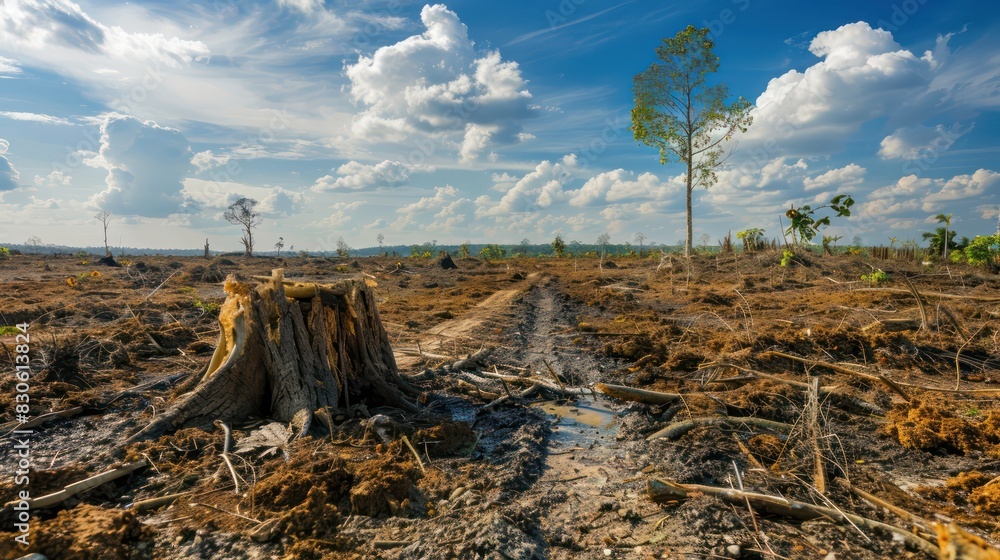
Moreover, the presence of cacti can mitigate the effects of desertification, a process where fertile land is transformed into arid, barren landscapes. As cacti stabilize the soil and improve its water-holding capacity, they create conditions where other drought-resistant plants can take root. This, in turn, supports a broader range of wildlife, from insects to birds, creating a thriving ecosystem where life persists despite the odds. In this way, cacti are not just passive inhabitants of their environment; they are active agents of change, shaping the land in ways that enhance its ability to withstand the challenges of a changing climate.
Cultural and Practical Implications: Lessons from the Desert
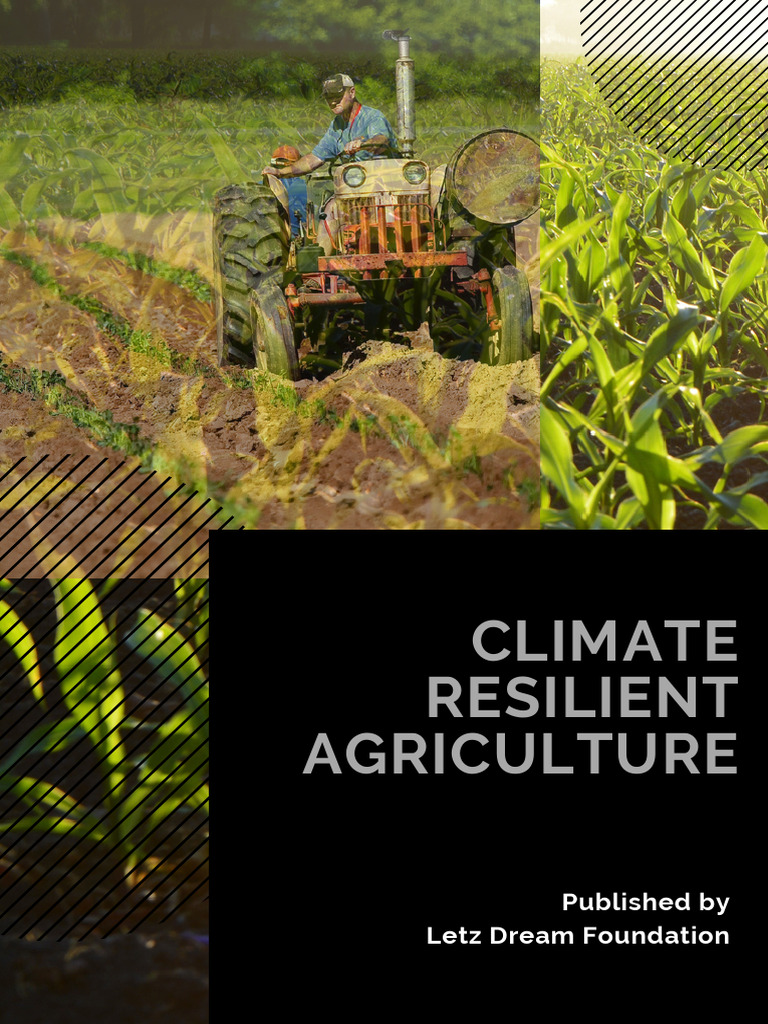
The story of cacti and soil health extends beyond the boundaries of the desert, offering valuable insights for human societies. Indigenous communities have long recognized the importance of cacti, not just as a source of food and medicine, but as a symbol of resilience and sustainability. Traditional agricultural practices in arid regions often incorporate cacti into farming systems, leveraging their root systems to improve soil health and water retention. This ancient wisdom is now being rediscovered by modern scientists and farmers, who are exploring the potential of cacti in regenerative agriculture and permaculture.
In urban landscapes, where concrete and asphalt dominate, the lessons of the cactus are equally relevant. Green infrastructure projects, such as rain gardens and bioswales, can benefit from the principles of cactus-inspired design, where deep and shallow root systems are mimicked to manage stormwater and improve soil health. Even in home gardens, the use of cactus soil—a blend of sand, perlite, and organic matter—can enhance the growth of succulents and other drought-tolerant plants, demonstrating the practical applications of this natural phenomenon.
The cactus, with its humble roots and towering presence, is a reminder that sustainability is not a lofty ideal but a tangible reality, woven into the fabric of the natural world. By understanding and emulating the cactus’s relationship with soil, we can create systems that are not only resilient but also regenerative, capable of thriving in harmony with the environment.
FAQ
Why are cactus roots important for ecosystems?
They improve soil structure, enhance water management, support nutrient cycling, and foster symbiotic relationships that sustain biodiversity.
How do cacti affect soil moisture?
Cacti absorb water quickly through shallow roots and redistribute it to upper soil layers at night, helping retain moisture for themselves and nearby organisms.
What is the role of mycorrhizal fungi in cactus root health?
Mycorrhizal fungi extend the root system's reach, improving nutrient and water uptake in exchange for carbohydrates from the cactus.
Can cacti help combat desertification?
Yes, by stabilizing soil and improving its water-holding capacity, cacti create conditions favorable for other plants, reducing desertification.



Leave a Reply