
Short Answer
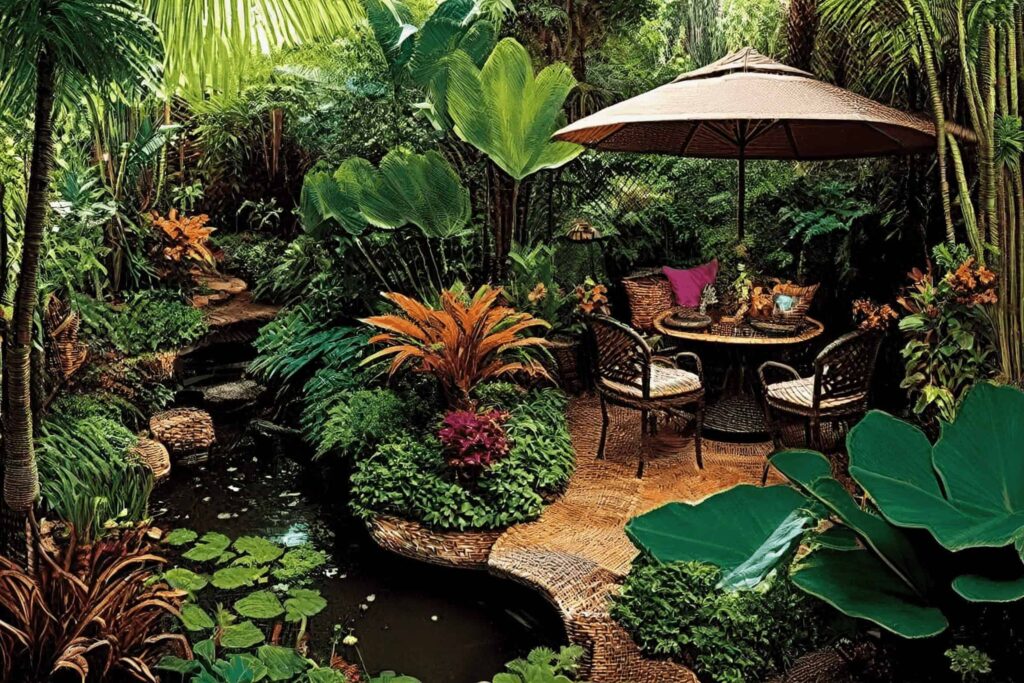
The striking silhouette of the cereus cactus instantly commands attention in any tropical garden, evoking curiosity and admiration. There’s something undeniably magnetic about these towering, sculptural plants that makes them not only a popular choice but a fascinating subject in garden design. Beyond their spiny exteriors and dramatic verticality lies a story of resilience, adaptability, and a unique interplay with the lush, often humid environments of tropical landscapes. This article explores the artistry behind incorporating cereus in tropical gardens, delving into design inspirations, placement strategies, and the subtle reasons why they captivate gardeners and visitors alike.
The Enigmatic Allure of Cereus in Tropical Settings
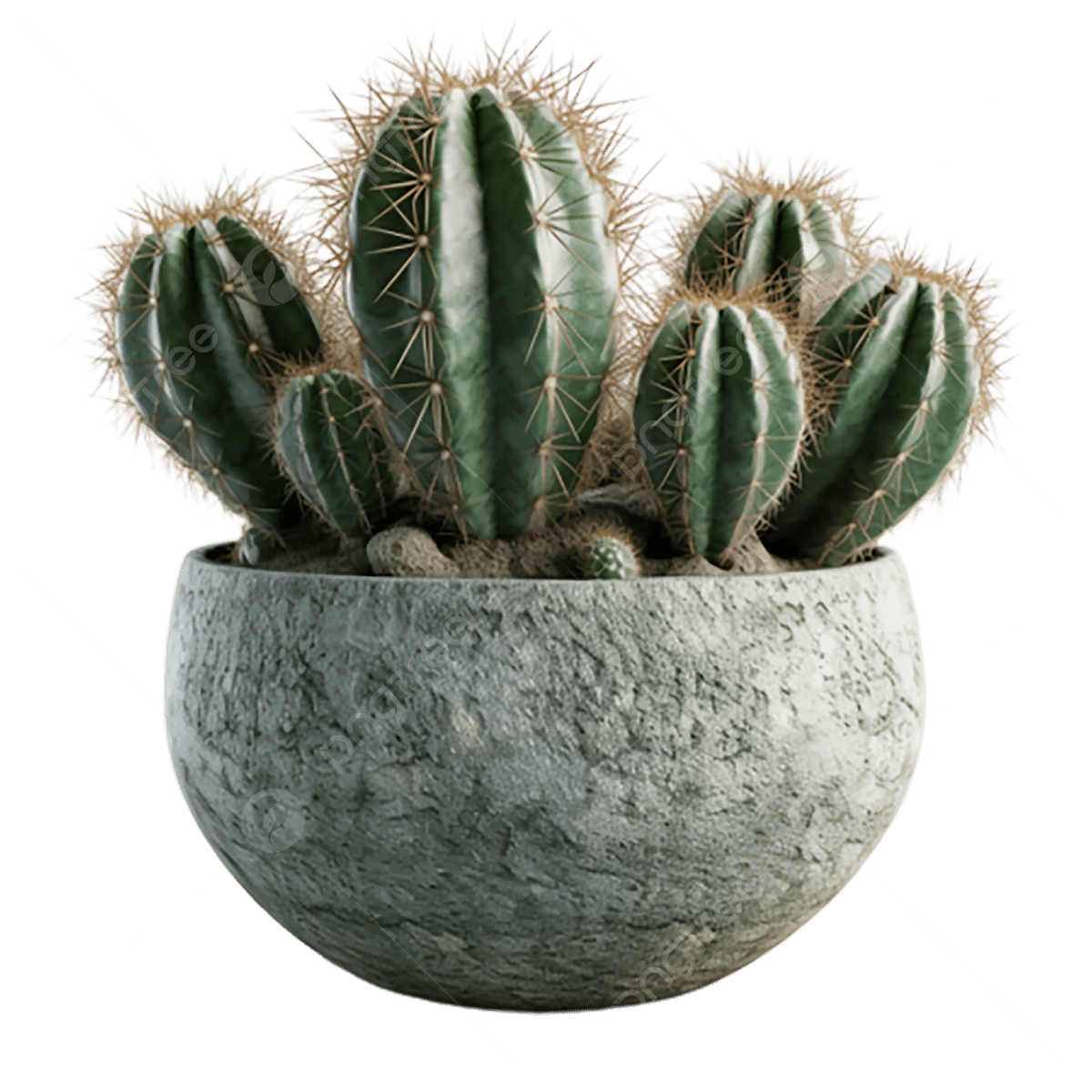
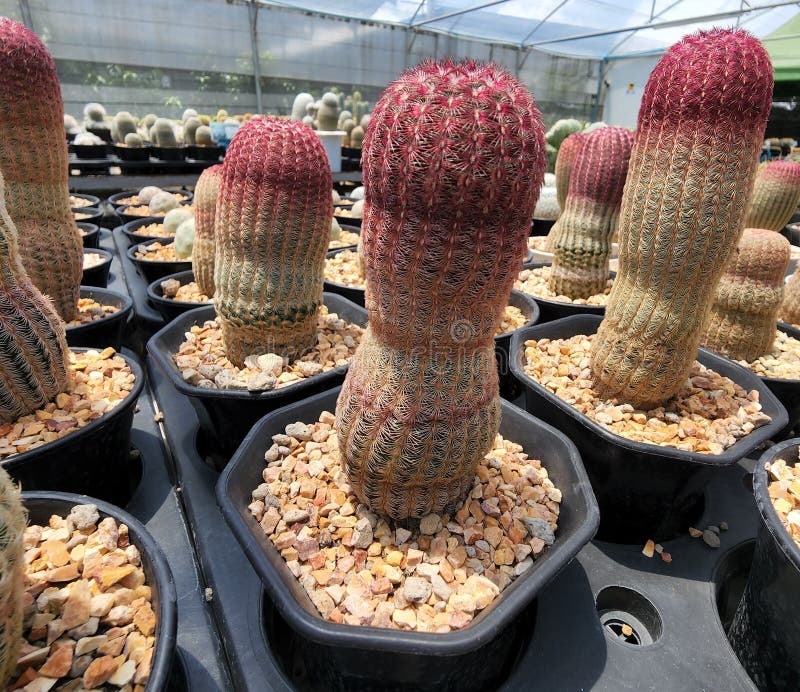
Cereus, with its columnar forms and ribbed texture, stands as a botanical paradox—thriving in warmth yet often associated with arid deserts. This paradox becomes a core aspect of its allure when introduced into tropical gardens. The plant’s architectural elegance contrasts vividly against the lush, broadleaf foliage typical of tropical environments, creating a visual dialogue that fascinates onlookers. Its upright growth habit and towering presence often symbolize endurance and boldness, qualities admired subconsciously by garden enthusiasts.
Additionally, cereus’ nocturnal blooms, which unfurl in the quiet darkness, inject a mysterious and almost mythical quality into tropical landscapes. The ephemeral nature of these flowers—blooming spectacularly yet briefly—adds a narrative complexity, suggesting themes of fleeting beauty and transformation that resonate deeply with garden storytelling traditions.
Integrating Cereus into Tropical Garden Design
Designing with cereus requires more than simply planting it amidst greenery; it demands a thoughtful orchestration of form, texture, and spatial dynamics. The vertical stature of cereus offers a natural architectural framework. Employing these plants as living pillars or sculptural focal points can elevate a garden’s dimensionality dramatically.
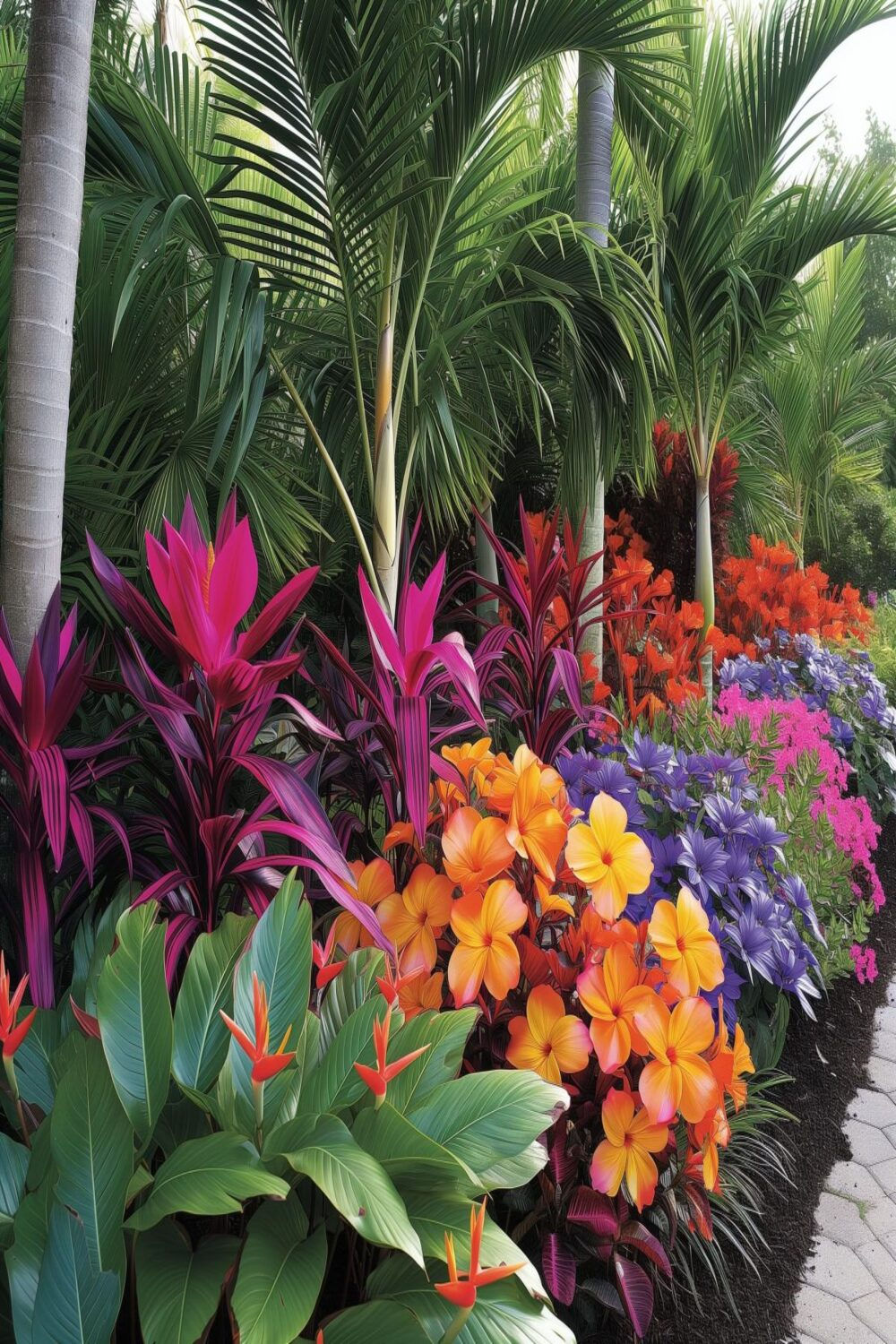
Consider juxtaposing the rigid, linear form of cereus with softer, voluminous tropical plants like heliconias or gingers. This contrast creates a balanced composition, where the cerebral austerity of the cactus meets the exuberance of tropical foliage. Moreover, integrating asymmetrical groupings of cereus and other succulents can evoke a sense of organic randomness—translating the unpredictability of nature into design.
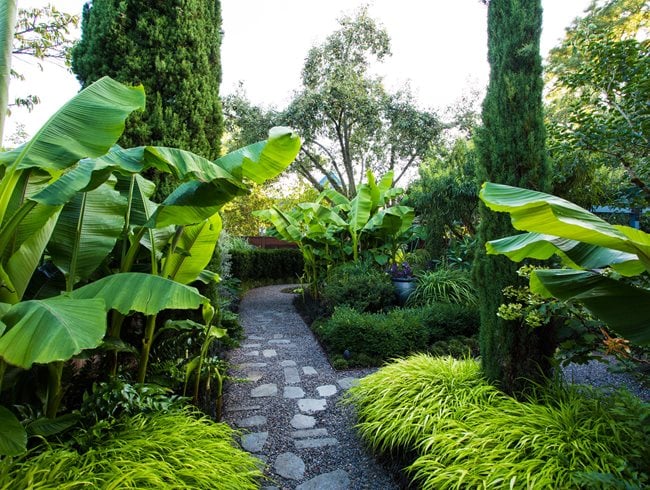
For pathways or transitional garden zones, placing cereus intermittently along gravel or stone paths adds rhythm and repetition, guiding visitors with subtle architectural cues. Their shadows during different times of day contribute another layer of sensory experience, as sunlight filters through the ribs, producing a play of light and shadow that animates the garden space.
Optimal Placement: Environmental and Aesthetic Considerations
Placement is pivotal when incorporating cereus into tropical gardens due to their specific ecological needs and the desire to achieve aesthetic harmony. Although tropical climates provide warmth, cereus still require well-drained soil and exposure to ample sunlight to thrive. Positioning these cacti in elevated beds or on slopes assists with drainage, preventing root rot that can compromise health in humid tropics.
From an aesthetic perspective, situating cereus near garden entrances or focal vistas leverages their commanding presence to make a memorable first impression. Their towering form can act as a natural gateway or backdrop that frames views. Alternatively, clusters placed near water features or open spaces allow for unobstructed appreciation of their sculptural qualities.
Microclimatic nuances within the garden should also be assessed. Cereus planted near taller, broadleaf trees benefit from filtered sunlight, mimicking the dappled exposure they sometimes receive in their native habitats. This nuanced balance of light reduces stress on the plant while enriching the textural diversity of the garden.
Harmonizing Cereus with Tropical Plant Palettes
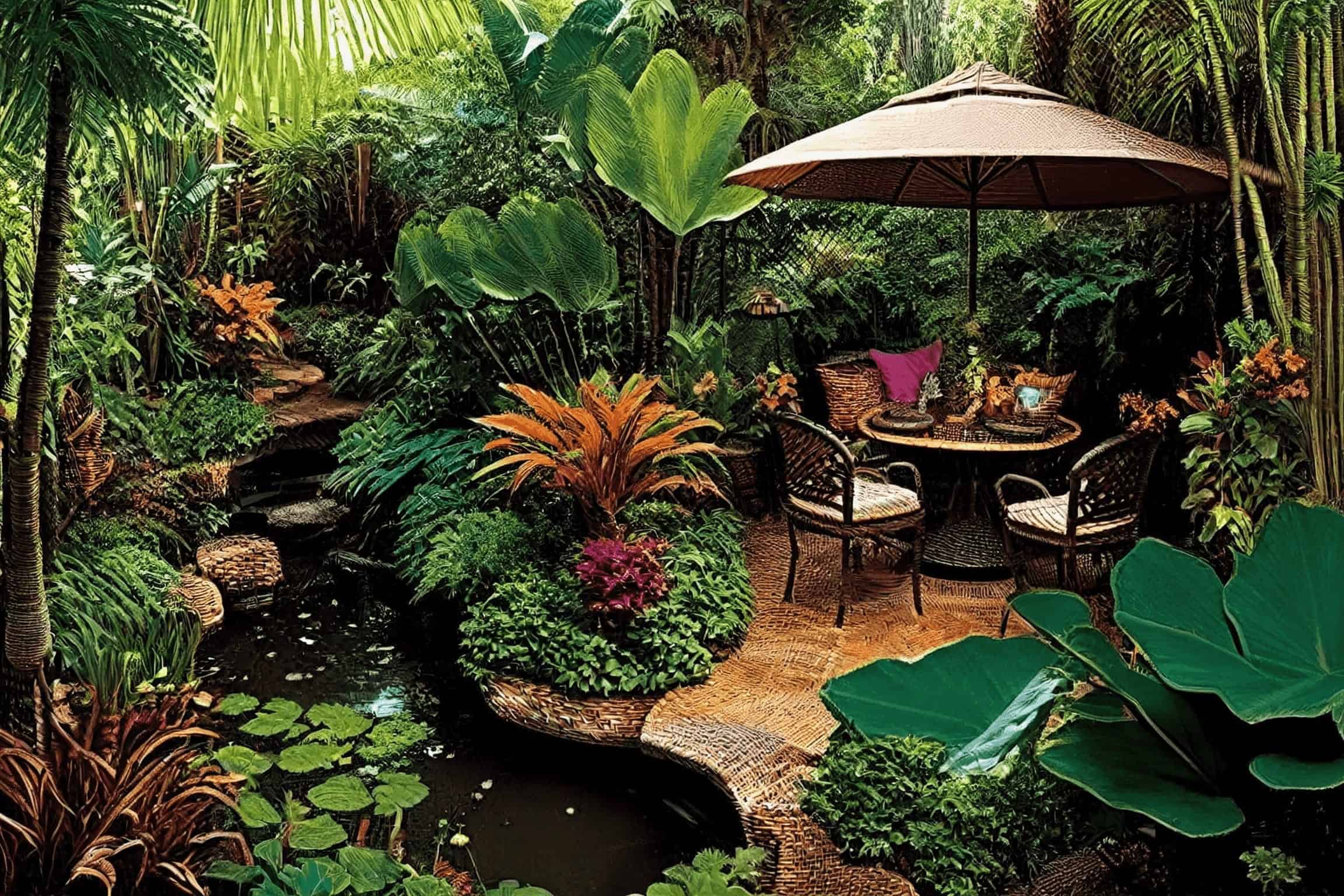
The magic lies in how cereus complements and contrasts with the rich tapestry of tropical flora. Their muted green or bluish-green hues serve as a perfect foil to brightly colored blossoms and broad, glossy leaves. Pairing cereus with vibrant bromeliads accentuates their architectural form while adding bursts of color.
For textural interplay, soft-leaved plants like ferns or calatheas provide a tactile counterpoint, enhancing the cereus’ spiny rigidity. Introducing flowering tropical vines around the base or nearby can soften the cactus’ starkness, weaving a layered botanical narrative that guides the eye from ground level upward.
In contemporary tropical garden designs, cereus often anchors minimalist, zen-inspired corners where their simplicity commands attention against sparse, clean lines. Their adaptability makes them a versatile asset, bridging traditional exuberance and modern restraint.
Maintenance and Longevity: Sustaining Cereus in Tropical Gardens
While cereus are resilient, their long-term success in tropical gardens hinges on attentive maintenance attuned to local conditions. Fertile, sandy soils enriched with organic matter provide a foundation, but consistent monitoring of moisture levels is critical. Overwatering poses a significant threat, so irrigation must be judicious, ideally mimicking natural rainfall patterns.
Pruning is minimal but essential—removing dead or damaged ribs encourages robust growth and maintains the cactus’ architectural form. Pest management may be necessary, especially against scale insects and mealybugs which can sometimes beset cereus in warm, humid settings.
Beyond physical care, understanding the role cereus play in the broader garden ecosystem enhances their integration. They offer refuge and nectar to specialized pollinators, especially nocturnal moths and bats, cultivating biodiversity that is subtle yet indispensable.
The Philosophical and Cultural Fascination with Cereus
The allure of cereus extends beyond practical and aesthetic dimensions into the realm of symbolism and culture. Historically known as the “Queen of the Night” due to its ethereal nocturnal flowers, cereus embodies mystery, transience, and enchantment. In tropical gardens, this symbolism revives a sense of wonder and narrative depth.
There is a universal human fascination with plants that challenge expectations—cacti lushly thriving in seemingly incongruent environments stir our imagination and reflect resilience against adversity. Cereus invites us to reconsider boundaries and celebrate contrasts, reinforcing why these spine-clad sentinels continue to captivate gardeners and design professionals alike.
The next time you encounter a cereus standing proudly amidst tropical blooms, recognize that you’re witnessing more than just a plant. You’re experiencing an intricate dialogue between environment, form, and spirit—a living testament to nature’s exquisite paradoxes.
FAQ
What is the best soil type for cereus in tropical gardens?
Well-drained, fertile sandy soil enriched with organic matter is best to prevent root rot in humid tropical environments.
How does cereus contribute to biodiversity in tropical gardens?
Cereus provides nectar and refuge to specialized nocturnal pollinators like moths and bats, supporting local biodiversity.
Can cereus be combined with other tropical plants?
Yes, pairing cereus with broadleaf tropical plants like bromeliads, ferns, and flowering vines creates visual and textural contrast.
Why is pruning important for cereus maintenance?
Pruning removes dead or damaged ribs, promoting healthy growth and maintaining the plant’s striking architectural form.



Leave a Reply