
Short Answer
Picture this: a desert rose, a sentinel of stone, standing tall and proud under the scorching sun, its ribs etched in time. This is Astrophytum, a genus of cacti that seems to defy the very notion of fragility. Yet, beneath its armored exterior lies a secret—one whispered by gardeners and nurtured in the quiet corners of greenhouses. Can you propagate this botanical titan from cuttings? The answer is a dance between myth and method, where patience and precision wield the power to coax life from stone.
The Myth of the Unyielding Stone: Why Astrophytum Seems Impossible to Propagate
Astrophytum is not your average cactus. Its slow growth, its reluctance to yield to the knife—these are not flaws but adaptations, honed by millennia of survival in the harshest of landscapes. Unlike the prolific prickly pear or the eager Christmas cactus, Astrophytum does not readily surrender its offspring. Its propagation is less a sprint and more a marathon, where every step must be measured with the precision of a desert fox stalking its prey.
The challenge begins with its structure. Astrophytum’s ribs, those vertical grooves that give it the appearance of a living sculpture, are not just for show. They are a defense mechanism, a way to minimize surface area and reduce water loss. But this very feature makes it difficult to take a cutting. Where do you slice? How do you encourage rooting without triggering the cactus’s survival instincts to seal the wound? The answer lies not in brute force but in finesse, in understanding the language of the plant itself.
The Art of the Cut: When and How to Slice the Ribs of Time
Timing is everything. In the world of Astrophytum, the best time to take a cutting is not when the plant is in full bloom, but when it is in a state of quiet dormancy. This is the period when the cactus is not expending energy on growth or flowering, making it more receptive to the idea of propagation. Early spring, just as the days begin to lengthen, is ideal. The plant is waking from its slumber, but not yet in the throes of summer’s demands.
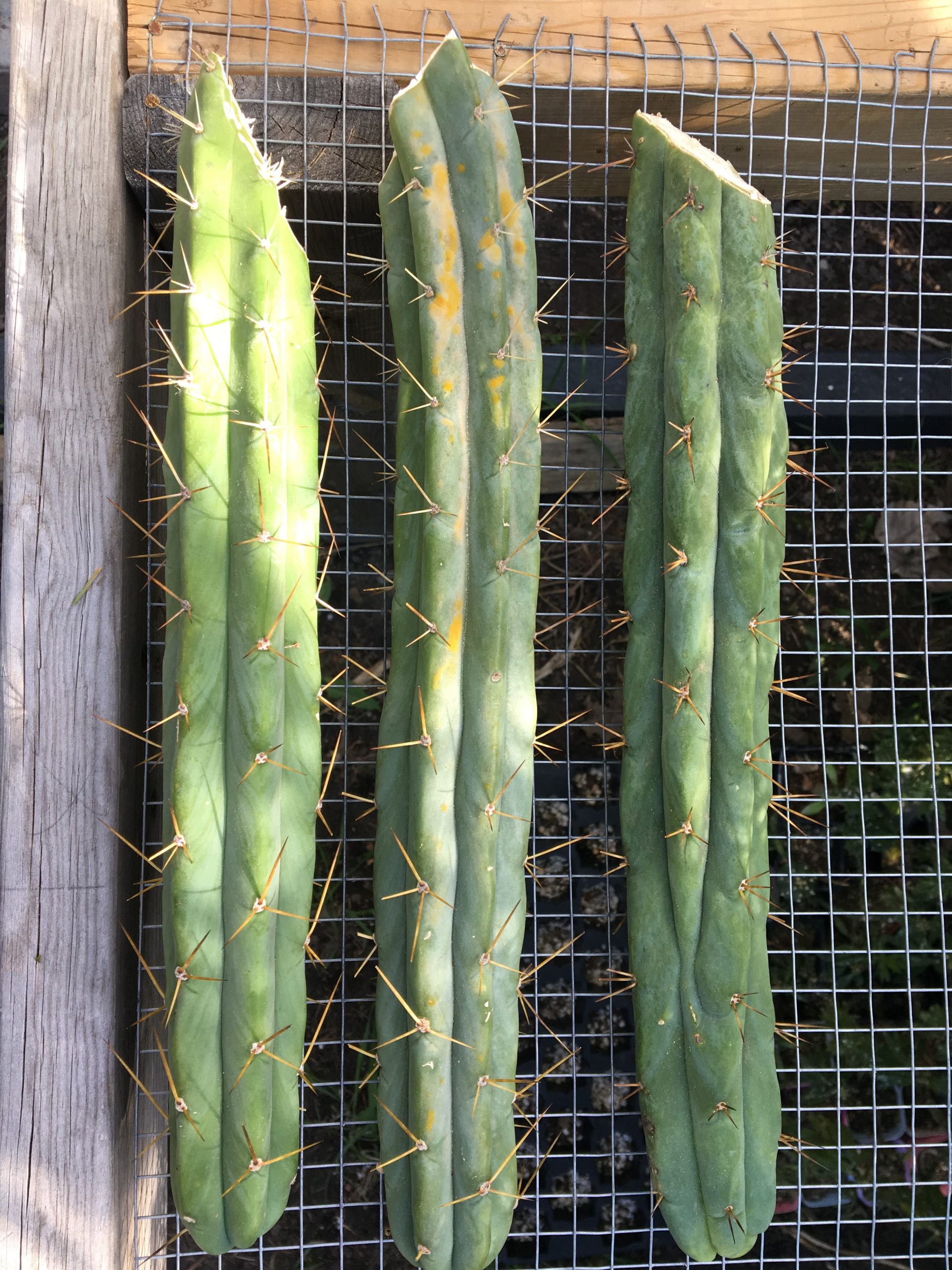
The cut itself must be deliberate. Use a sterilized knife or pair of scissors, and make the incision at a 45-degree angle. This angle increases the surface area for rooting while minimizing the risk of water pooling on the wound—a death sentence for a cactus. Let the cutting rest for a few days, allowing the cut surface to callus over. This is the plant’s way of sealing itself against the world, a natural bandage that prevents rot and infection.
But here’s the twist: Astrophytum cuttings are not like those of other cacti. They do not root easily. In fact, they often require a boost—something to trick them into believing they are not, in fact, detached from their mother. This is where the magic of grafting comes in, a technique that merges the cutting with a hardy rootstock, like Pereskiopsis, a fast-growing cactus that acts as a willing host. The result? A symbiotic union where the Astrophytum cutting can focus solely on growth, while the rootstock handles the heavy lifting of water and nutrient absorption.
The Alchemy of Rooting: Creating the Perfect Environment for a Stone to Sprout
Rooting a cutting is not about throwing it into a pot of soil and hoping for the best. It’s about recreating the conditions of its natural habitat—hot, dry, and bathed in sunlight. Start with a well-draining mix, a blend of coarse sand, perlite, and a dash of organic matter to mimic the mineral-rich soils of the Chihuahuan Desert. The cutting should be planted just deep enough to anchor it, but not so deep that it suffocates in moisture.
Humidity is the enemy here. While some cacti thrive in the damp embrace of a greenhouse, Astrophytum cuttings are not among them. Too much moisture invites rot, a silent killer that strikes without warning. Instead, place the cutting in a bright, airy spot where it can bask in indirect light. A humidity dome can be used sparingly, but only for the first few weeks, and even then, it should be vented daily to prevent the buildup of condensation.
Patience is the final ingredient in this alchemical process. Roots may take months to form, and even then, the cutting may not show immediate signs of life. It is a waiting game, one that tests the resolve of even the most seasoned gardener. But when the first signs of growth appear—a new spine, a slight plumpness in the ribs—it is a moment of triumph, a testament to the plant’s resilience and your dedication.
The Grafting Gambit: When Cutting Fails, Merge Instead
If the cutting route proves too daunting, there is another path: grafting. This is where the art of plant propagation meets the science of symbiosis. Grafting involves attaching the Astrophytum cutting to a compatible rootstock, such as Pereskiopsis, which has a rapid growth rate and a robust root system. The result is a chimeric plant, a fusion of two species that benefits from the strengths of both.
The process begins with a clean cut on both the rootstock and the scion (the Astrophytum cutting). The cuts must be precise, matching the cambium layers—the thin, green tissue beneath the bark—of both plants. Once aligned, the two are bound together with grafting tape or rubber bands, creating a union that will, over time, become seamless. The key here is to maintain high humidity and stable temperatures, conditions that encourage the plants to knit together.
Grafting is not without its risks. The rootstock may outgrow the scion, or the union may fail to take, leaving the cutting to wither. But when it succeeds, it is a marvel—a plant that grows faster, blooms sooner, and defies the limitations of its slow-growing nature. It is a reminder that in the world of plants, as in life, sometimes the most extraordinary things happen when we dare to merge our paths with others.
The Reward: A Garden of Stone, Reborn
To propagate Astrophytum is to engage in a dialogue with time itself. It is to coax life from a plant that seems designed to resist change, to nurture growth where none was expected. Whether through cuttings or grafting, the process is a testament to the power of patience and the rewards of persistence.
Imagine a collection of Astrophytum, each one a unique specimen, its ribs etched with the story of its propagation. Some may have been born from cuttings, their slow growth a testament to the gardener’s skill. Others may be grafted, their accelerated development a marvel of botanical engineering. Together, they form a garden of stone, a living sculpture that whispers of the desert’s secrets.
And when the first bloom appears—a radiant, star-shaped flower that seems to defy the very notion of a cactus—it is not just a flower. It is a symbol of triumph, a reward for those who dared to listen to the language of the plants. It is proof that even the most unyielding of stones can be coaxed into yielding, into blooming, into becoming something more.
FAQ
Can Astrophytum be propagated from cuttings?
Astrophytum can be propagated from cuttings, but it is very difficult as they root poorly. Grafting cuttings onto a rootstock is often more successful.
When is the best time to take Astrophytum cuttings?
The best time to take cuttings is during the cactus’s dormancy period, typically early spring before active growth begins.
What is grafting and why is it recommended for Astrophytum?
Grafting involves attaching the Astrophytum cutting to a fast-growing rootstock like Pereskiopsis, improving growth speed and survival since the rootstock supplies nutrients and water efficiently.
What soil conditions are best for rooting Astrophytum cuttings?
A well-draining mix of coarse sand, perlite, and some organic matter that mimics desert soil is ideal to prevent rot and encourage root development.
How long does it take for Astrophytum cuttings to root?
Rooting can take several months, and patience is essential as cuttings often show very slow progress.
Leave a Reply