
Short Answer
Christmas cacti, known scientifically as Schlumbergera, are enchanting houseplants that flourish during the holiday season. Their vibrant blooms and unique growth patterns make them a favored choice among plant enthusiasts. Below are essential tips for nurturing these captivating plants to ensure they thrive and produce their stunning floral displays.
Understanding the Christmas Cactus
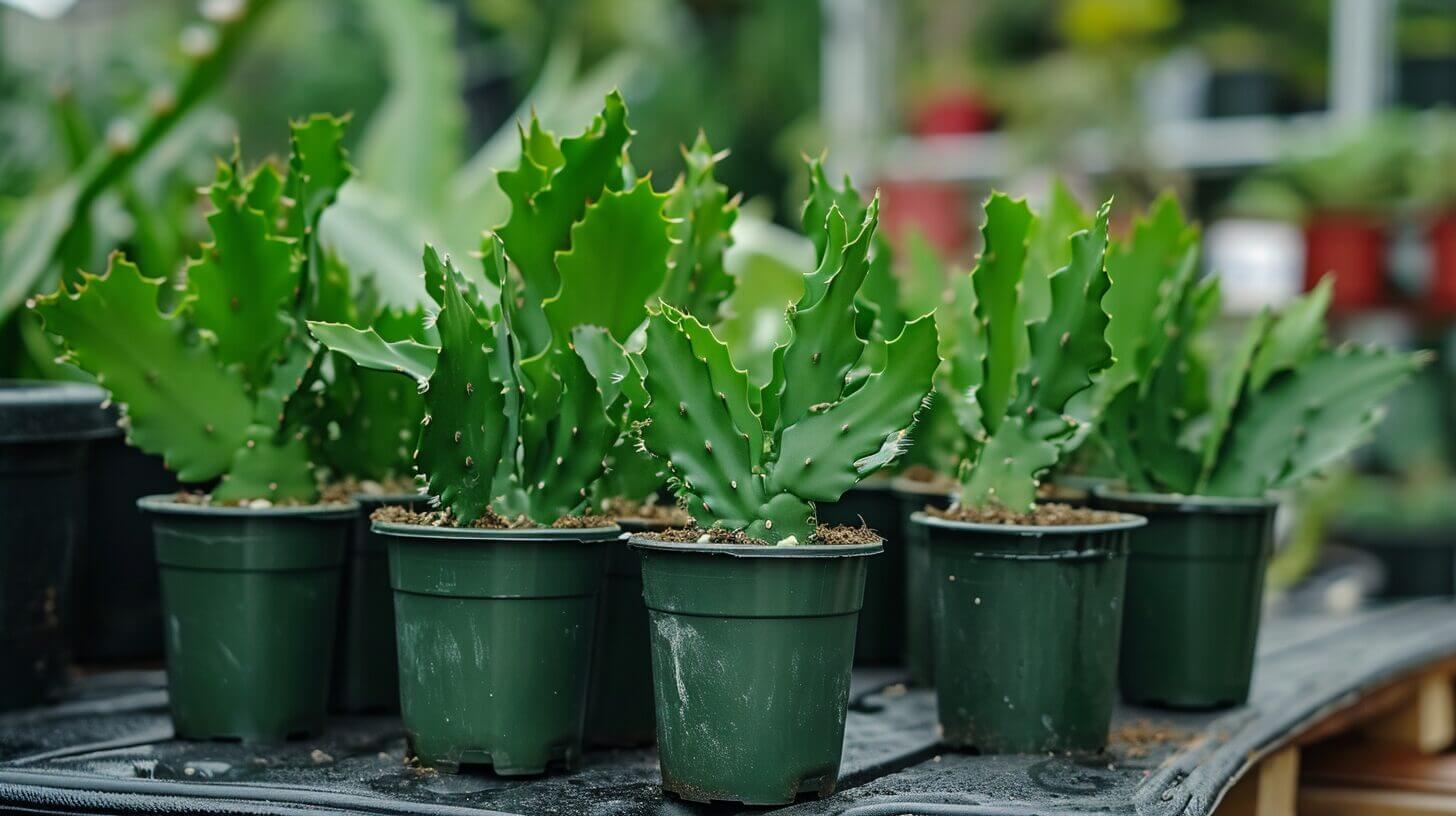
Before delving into care techniques, it’s important to comprehend the biology and characteristics of the Christmas cactus. Unlike traditional cacti, which hail from arid environments, Christmas cacti are native to the humid, tropical forests of Brazil. This origins lend them a distinct adaptability to indoor conditions, but it also informs the specific care requirements they demand.
These plants exhibit segmented stems that can grow up to several feet long. The segmented growth pattern not only contributes to their visual appeal, but also affects their growth habits. Knowing how to replicate their natural habitat is key to keeping them healthy and vibrant.
Optimal Potting: Choosing the Right Container and Soil
Selection of the appropriate pot is a fundamental aspect of Christmas cactus care. Ideally, pots should have good drainage—consider those with multiple holes or designed specifically for cacti and succulents. This ensures that excess water drains out, preventing the perilous incidence of root rot.
Equally vital is potting mix. A well-aerated soil comprising a blend of standard potting soil, sand, and perlite or orchid bark will provide the necessary drainage while retaining some moisture. This mimics the natural substrate found in the plant’s native habitat. It’s this unique combination that promotes healthy root development and overall plant vigor.
Watering Wisdom: The Art of Hydration
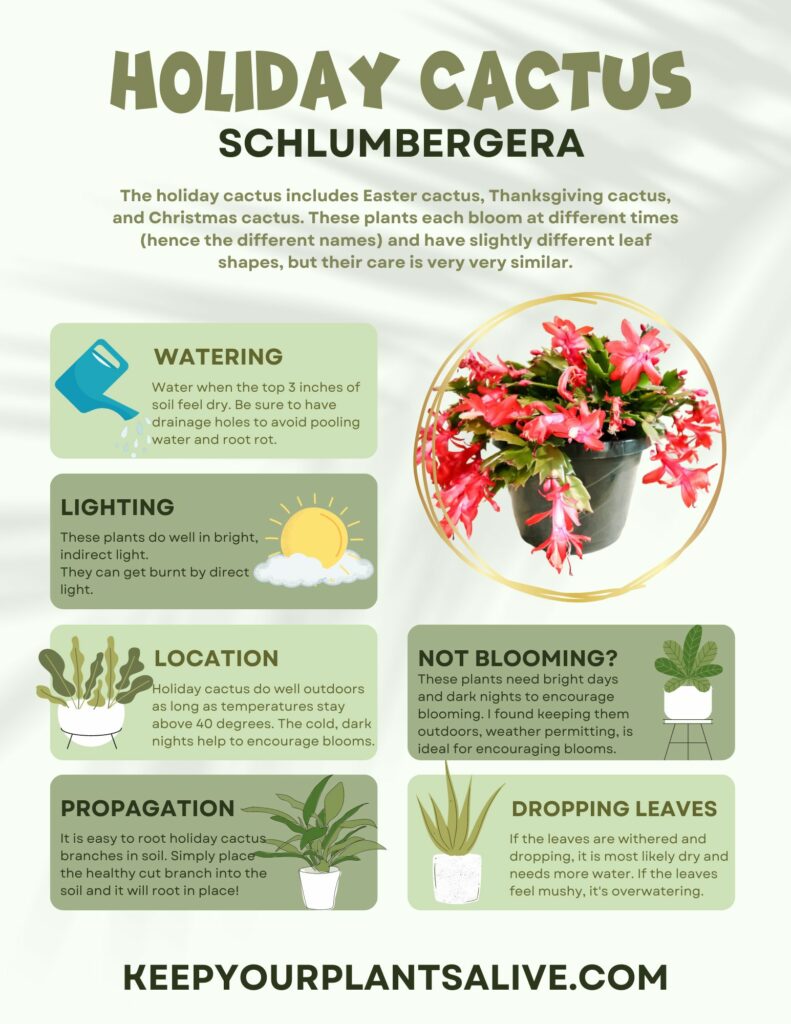
Watering a Christmas cactus must be approached with caution. Unlike other cacti that thrive on neglect, the Christmas cactus requires a balanced watering regimen. During the blooming period, typically from late November through early January, keep the soil moderately moist. This means watering only after the top inch of soil feels dry to the touch. Remember to avoid overwatering—and be aware that symptoms of distress might include drooping segments or yellowing leaves, both indicative of excess moisture.
Once the blooming has ceased, a reduction in watering frequency is imperative. This dormant phase, usually occurring from late spring to early fall, allows the plant to rest. During this time, a lighter watering schedule promotes vigor for the next blooming cycle. When in doubt, it is wiser to err on the side of underwatering, as Christmas cacti are resilient and can typically bounce back from slight drought conditions.
Illumination: The Importance of Light Conditions
Light quality and quantity significantly influence the health of your Christmas cactus. They thrive in bright, indirect light but can also tolerate some direct sunlight, particularly during the morning hours. However, excessively bright or direct midday sun can lead to scorched segments. A simple strategy is to place them in a well-lit room near a window with filtered sunlight.
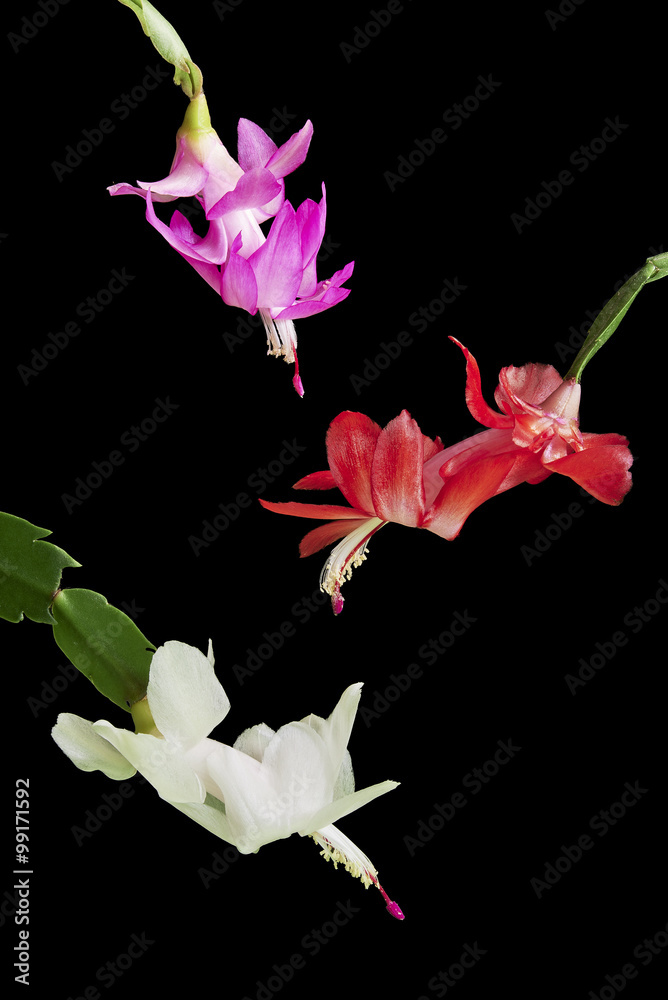
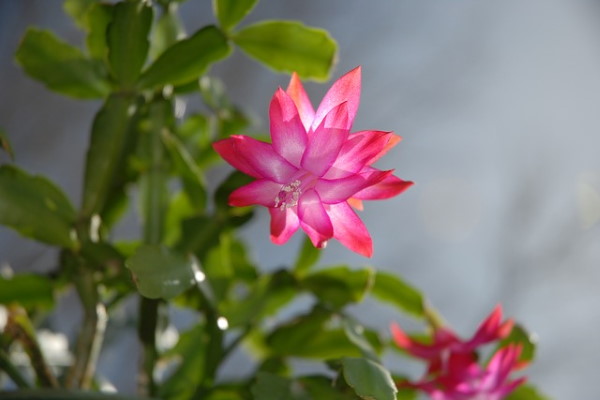
Moreover, these plants are somewhat sensitive to changes in light as the seasons shift. During the fall, decreasing light can trigger the plants to initiate blooming. A sudden exposure to darkness can aid in stimulating the flower buds. Hence, positioning your Christmas cactus intelligently in relation to changing light levels can enhance both the quality and quantity of its blossoms.
Temperature & Humidity: Creating a Cozy Environment
Christmas cacti prefer a consistent temperature range. Ideally, maintain a temperature between 60-70°F (15-21°C) during the day, with slightly cooler conditions at night. Avoid placing them near drafts, heaters, or air conditioning vents, as such fluctuations can stress the plant and hinder its growth.
Furthermore, adding humidity to the environment can benefit the plant, especially in dry indoor conditions. Consider using a humidity tray filled with pebbles and water, or occasionally misting the plant, particularly during dry winter months. Elevated humidity levels correlate positively with plant health and flowering potential.
Fertilization: Nourishing with Precision
Fertilizing your Christmas cactus can significantly enhance its growth and encourage more prolific blooming. During the active growing season (spring and summer), utilize a balanced, water-soluble fertilizer diluted to half strength, applied every couple of weeks. This will supply the essential nutrients without overloading the plant, which could overwhelm its delicate system.
As blooming approaches, transitioning to a bloom-specific fertilizer can yield splendid results. This encourages the plants to produce vivid flowers, enriching the holiday season with their majestic beauty.
Common Pests and Troubleshooting
Like all houseplants, Christmas cacti can be susceptible to pests such as mealybugs, aphids, and spider mites. Regularly examining the undersides of leaves and segments allows for early detection and treatment. If pests are found, a simple solution is to wipe the affected areas with a damp cloth or utilize insecticidal soap for a more thorough eradication.
If you notice your Christmas cactus is not blooming, consider factors such as insufficient light, incorrect watering practices, or lack of a cool dormancy period. Addressing these needs can revive flowering potential and promote health.
Conclusion: A Festive Companion for Years to Come
Caring for a Christmas cactus is a rewarding endeavor that showcases the vibrance of life even in winter’s chill. By attentively managing their care and environment, you can cultivate a resilient and magnificent plant that will grace your home throughout the festive seasons for many years to come. These enduring plants not only add beauty but also spark joy, embodying the spirit of Christmas with every blooming flower.
FAQ
How often should I water my Christmas cactus?
Water your Christmas cactus when the top inch of soil feels dry, keeping the soil moderately moist during blooming and reducing watering during dormancy.
What kind of light does a Christmas cactus need?
Christmas cacti thrive in bright, indirect light and can tolerate some morning direct sunlight but should be protected from harsh midday sun.
Why isn’t my Christmas cactus blooming?
Lack of blooming can be due to insufficient light, improper watering, or not providing a cool dormancy period in the spring and summer.
What pests commonly affect Christmas cacti?
Christmas cacti can be affected by mealybugs, aphids, and spider mites, which can be managed by regular inspection and treatments like insecticidal soap.
What temperature and humidity are ideal for Christmas cactus?
Ideal temperatures are 60-70°F (15-21°C) during the day with cooler nights, and they benefit from higher humidity levels, which can be increased by misting or humidity trays.

Leave a Reply