
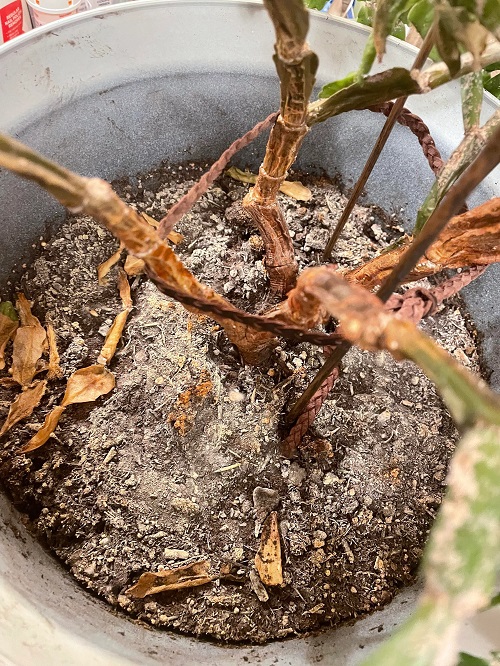
Short Answer
There is something undeniably captivating about cacti—those enigmatic, spiky sculptures of the plant kingdom. Their resilience and stark beauty invite fascination, yet beneath their tough exterior lies a delicate vulnerability to pests that can turn this admiration into concern. Understanding the common pests that afflict cacti, and mastering methods to reclaim your plant from their grip, is both an art and a science that every cactus enthusiast should embrace. These adversaries, often minuscule and elusive, challenge one’s botanical patience and vigilance but ultimately highlight the intricate relationship between nature’s fortitude and fragility.
Mealybugs: The Cottony Invaders
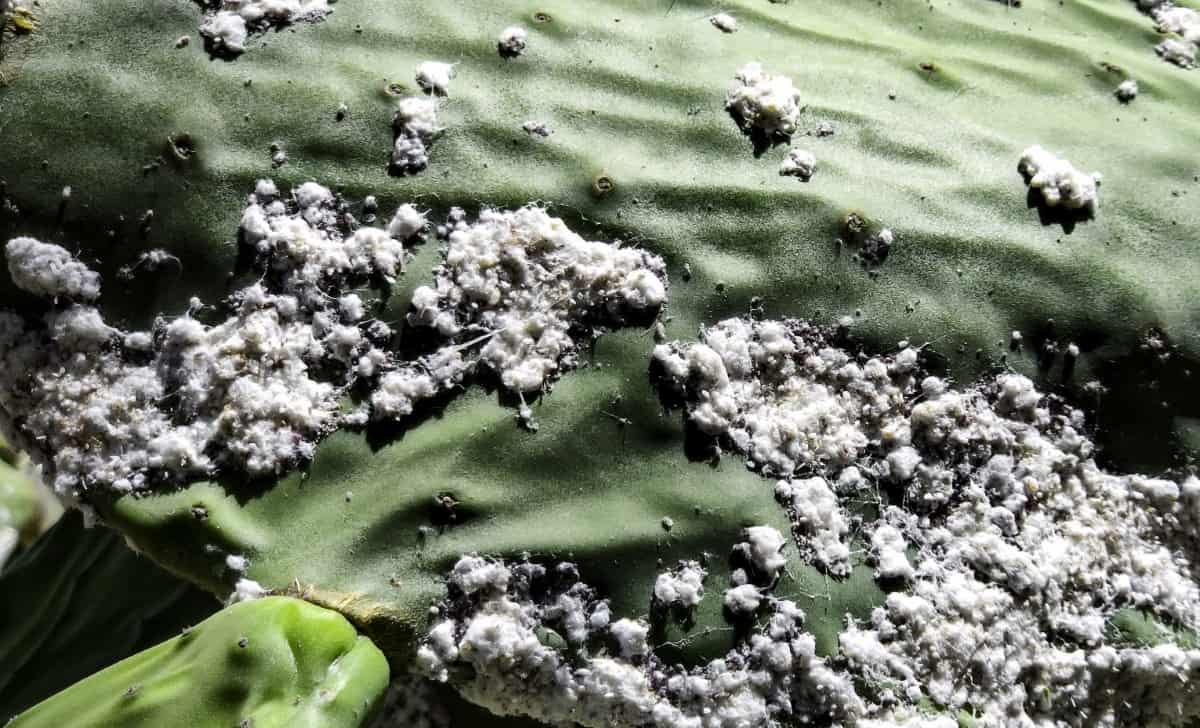
Mealybugs are among the most notorious adversaries of cacti. These tiny, sap-sucking insects exude a distinctive white, cotton-like wax that not only cloaks their bodies but also aids in their stealthy invasions. Their presence is often betrayed by sticky honeydew deposits, which encourage the growth of sooty mold, dimming the cactus’s vibrant green hues.
Their clandestine feeding weakens the cactus by extracting vital nutrients, causing stunted growth, and in extreme cases, branch dieback. Their affinity for hidden crevices and root zones makes detection challenging. Often, the first sign of infestation is a gradual decline in the plant’s vitality.

Combatting mealybugs requires a diligent approach. Manually removing visible pests with a cotton swab dipped in rubbing alcohol can be surprisingly effective for small infestations. Systemic insecticides, or neem oil applications, can disrupt their life cycle. Most crucially, maintaining proper air circulation and avoiding excessive moisture curtail their breeding grounds.
Spider Mites: The Invisible Marauders
Despite their minuscule size, spider mites are a force to reckon with. These arachnid-like pests thrive in dry, dusty conditions, which ironically coincide with the environmental niches many cacti occupy. Their invasive feeding punctures plant cells, drawing out chlorophyll and leaving behind a telltale silvery, stippled mottling on the cactus pads.
Left unchecked, spider mite infestations cause the cactus skin to become brittle, eventually leading to tissue necrosis in severely affected zones. Spider mites also weave fine webs, a distinctive hallmark of their presence that contrasts vividly against the cactus’s smooth or ribbed surfaces.
Mitigation of spider mites hinges on increasing humidity and frequent misting, combined with insecticidal soaps or horticultural oils that smother eggs and active mites. Regular inspection under the protection of a magnifying lens helps identify early infestations before permanent damage ensues.
Scale Insects: The Armored Parasites
Scale insects resemble miniature armored shields, effortlessly blending into cactus spines and stems. Their hard, protective outer coatings render many conventional insecticides impotent, making eradication laborious. These suckers embed themselves deeply, siphoning sap and imbuing the cactus with a debilitating weakness.
A heavily infested cactus may display yellowed or distorted growth, often confusing the caretaker as a result of environmental stress. Scale insects also excrete honeydew, fueling further microbial and fungal growth that compromises the plant’s health.
Physical removal with a soft-bristle brush or gentle scraping is often the first line of defense. Employing systemic insecticides that reach beneath their armor, or annual preventive treatments, sustains the plant’s vitality. Encouraging natural predators like ladybugs can also act as an effective biological control.
Aphids: The Agile Sap-Suckers
Aphids, though more commonly associated with leafy plants, also invade cacti, especially young and tender growth. These small, often green or black insects rapidly colonize new cactus segments, transferring plant viruses and excreting honeydew that invites sooty molds.
Their swift reproductive cycles can transform a minor irritation into a significant infestation virtually overnight. Aphids’ ability to fly or get carried by air currents makes containment even more challenging.
Use of insecticidal soaps, neem oil, and physical removal helps to curb aphid populations. Introducing beneficial insects such as lacewings and parasitic wasps provides a sustainable and eco-friendly solution that supplements mechanical remedies.
Fungus Gnats and Root Mealybugs: The Subterranean Threats
Often overlooked, subterranean pests like fungus gnats and root mealybugs pose insidious threats to cactus health. Fungus gnat larvae graze on organic matter and young roots, destabilizing the cactus’s foundation. Root mealybugs, cloaked in dense wax, infest the root system, siphoning nutrients and moisture below soil level.
Symptoms including wilting, unexplained discoloration, and slowed growth often prompt late discovery, when damage has already compromised the root integrity. Because these pests dwell underground, their detection demands close examination of root zones and soil symptoms.
Management involves using well-drained, sterile soil mediums, applying systemic pesticides, and introducing beneficial nematodes that parasitize the larvae and root mealybugs. Avoiding overwatering is essential, as moist soil fosters their reproduction.
The Fascination with Cactus Pests: More Than Just Annoyances
There is a profound irony in the fact that the very robustness which makes cacti cherished international icons simultaneously invites a niche array of specialized pests. This relationship encapsulates nature’s delicate balance—where survival is not just a matter of toughness but intricacy. The vigilance required to keep these pests at bay fosters a deeper connection, encouraging observers to appreciate plant biology on an intimate scale rarely offered elsewhere.
Each battle against a dwarf spider mite or stealthy scale insect becomes a narrative of resilience, a microcosm of ecosystems locked in constant flux. It is this interplay that stokes fascination—not merely about the cactus itself, but about the co-evolutionary dance between plant defenses and the pests adapted to breach them.
Preventive Measures: Proactive Care for Lasting Health
Proactivity is the cornerstone of ensuring your cactus remains a thriving sentinel of arid beauty rather than a casualty of opportunistic pests. Routine inspections, especially under leaves, around joints, and at root collars, enable early pest detection. Maintaining optimal watering practices and ensuring good ventilation curtail many pest-friendly conditions.
Quarantining new plants before introduction shields established collections from invasive pests. Moreover, sterilizing tools after use and keeping growing mediums fresh prevent inadvertent pest transmission.
Implementing a holistic approach combining biological control, mechanical removal, and judicious use of pesticides achieves the best long-term results. It’s a commitment that transforms cactus care from a mere hobby to an engaging stewardship of living art.
Conclusion: Embracing the Journey of Vigilant Cultivation
The relationship between cactus and pest is a tale as old as cultivation itself—a compelling testament to nature’s complexity. Recognizing common cactus pests and mastering their eradication empowers gardeners, turning potential plant tragedies into triumphant recoveries. More than just an exercise in pest control, it invites a passionate exploration of perseverance and patience.
In tending to cacti, one discovers that their spines do not just protect—they provoke curiosity and respect. Through the lens of pest management, the cactus becomes a storyteller, weaving narratives of endurance and adaptation, ultimately deepening the gardener’s bond with the marvels of life.
FAQ
What are the common pests that affect cacti?
Common cactus pests include mealybugs, spider mites, scale insects, aphids, and fungus gnats.
How can I get rid of mealybugs on my cactus?
You can manually remove them with a cotton swab dipped in rubbing alcohol or apply systemic insecticides or neem oil.
What preventive measures can I take to protect my cactus from pests?
Routine inspections, optimal watering practices, good ventilation, and quarantining new plants can help prevent pest infestations.



Leave a Reply