

Short Answer
Have you ever wondered why a prickly, sun-loving desert dweller could hold such profound meaning in a culture so deeply rooted in tradition and harmony? The cactus, with its stoic endurance and unexpected elegance, has woven itself into the fabric of Japanese culture—not as a mere ornamental plant, but as a symbol of resilience, longevity, and even quiet rebellion against nature’s harshest conditions. While Japan is renowned for its cherry blossoms and bamboo, the cactus stands as a lesser-known yet equally potent emblem of strength. So, what makes this spiky survivor so revered in a land where subtlety often speaks louder than grandeur?
The Cactus as a Metaphor for Survival in Harsh Climates
Japan’s climate is a study in contrasts—humid summers, snowy winters, and typhoons that test the mettle of even the hardiest flora. Yet, the cactus thrives where others wither, its thick, waxy skin and shallow roots designed to store water and minimize loss. This botanical marvel doesn’t just endure; it flourishes, turning adversity into an advantage. In Japanese philosophy, this mirrors the concept of gaman—the art of persevering with quiet dignity. The cactus, much like the samurai of old, doesn’t complain about the heat or the drought; it simply adapts, storing vitality for when it’s needed most. Could it be that the Japanese, who revere endurance in the face of life’s tempests, saw in the cactus a kindred spirit?
Consider the saguaro, a towering cactus native to the Americas but often cultivated in Japanese gardens. Its slow growth—sometimes taking decades to sprout its first arm—parallels the Japanese reverence for patience and long-term vision. In a culture that measures success not in sprints but in marathons, the cactus becomes a living parable: greatness is not achieved overnight, but through persistent, unyielding growth.
From Desert to Zen Garden: The Cactus in Japanese Aesthetics
Japanese gardens are masterclasses in balance, where every rock, stream, and plant is placed with intention. The cactus, with its sharp spines and unexpected blooms, might seem an odd fit—until you consider its role as a kigo, a seasonal word in haiku that evokes a particular time or emotion. In winter, when most plants lie dormant, the cactus stands defiantly green, a splash of color against the monochrome landscape. Its presence in karesansui (dry rock gardens) or chabana (tea ceremony arrangements) is subtle but deliberate, a reminder that beauty often lies in the unconventional.
Artists and poets have long been captivated by the cactus’s duality—its harsh exterior masking delicate, ephemeral flowers. This juxtaposition mirrors the Japanese aesthetic principle of wabi-sabi, where imperfection and transience are celebrated. The cactus’s bloom, lasting but a single day, teaches us that even fleeting moments can hold profound significance. In a society that values both strength and grace, the cactus embodies this duality effortlessly.
The Cactus in Japanese Folklore and Modern Symbolism
While the cactus isn’t a staple in ancient Japanese myths, its symbolism has evolved in modern times to represent resilience in urban life. Tokyo’s concrete jungle, with its relentless pace and pressure, has given rise to a new kind of hero: the office worker who, like the cactus, thrives despite the grind. The cactus man—a playful yet poignant archetype—is someone who endures long commutes, grueling work hours, and the suffocating heat of summer, all while maintaining a calm, collected exterior. The cactus pin on their lapel or the potted cactus on their desk becomes a talisman, a silent vow to stay unshaken.
In manga and anime, the cactus often appears as a character trait—think of the stoic, no-nonsense mentor or the underdog who surprises everyone with their quiet strength. It’s a visual shorthand for “tough on the outside, soft on the inside,” a narrative device that resonates deeply in a culture that often values restraint over overt emotion. The cactus, in this context, is more than a plant; it’s a cultural shorthand for perseverance.
Challenges of Cultivating Cacti in Japan: A Delicate Dance
Yet, for all its symbolic power, the cactus faces a unique challenge in Japan: the climate. While it thrives in arid deserts, Japan’s humidity and rainy seasons can be its undoing. Fungal infections, root rot, and pest infestations are constant threats, turning the act of nurturing a cactus into a test of patience and skill. Japanese gardeners have risen to the occasion, developing specialized techniques—like using volcanic soil or creating microclimates with gravel beds—to mimic the cactus’s natural habitat. It’s a delicate dance, one that requires as much finesse as growing a bonsai.
This challenge mirrors a broader cultural tension: the balance between preserving tradition and adapting to modernity. The cactus, in its struggle to survive in Japan’s climate, becomes a metaphor for cultural exchange. Can something foreign truly take root in a new land without losing its essence? The answer, as with the cactus, lies in adaptation—finding harmony between the old and the new.
The Cactus as a Gift: Symbolism in Japanese Social Rituals
In Japan, gifting is an art form, where the choice of present carries layers of meaning. A cactus, with its prickly exterior and hidden beauty, is a gift that speaks volumes without words. It’s often given to convey admiration for someone’s resilience—perhaps a student facing exams, a colleague enduring a tough project, or a friend recovering from illness. The message is clear: “You are strong. You will endure.” Unlike the ubiquitous bonsai, which symbolizes patience, the cactus represents a more rugged, unpolished kind of endurance. It’s the gift for those who don’t need to be tamed; they just need to be reminded of their own power.
Interestingly, the cactus is also a popular choice for omiyage—souvenirs brought back from trips. A cactus from Okinawa, where the climate is more forgiving, becomes a portable piece of resilience, a way to carry home the spirit of the islands. It’s a reminder that even in the most transient of moments, some things are meant to last.
From Symbol to Sustainability: The Cactus in Modern Japanese Design
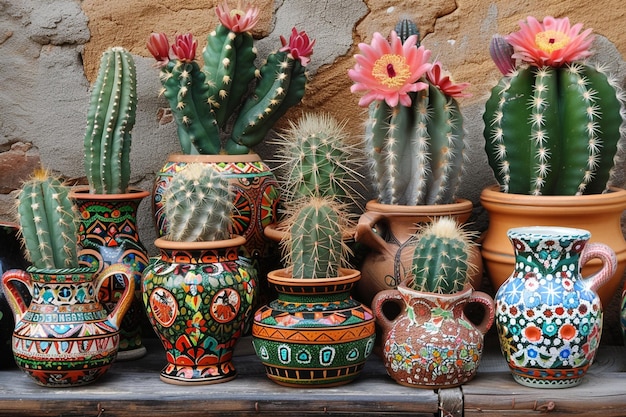
Today, the cactus has transcended its symbolic roots to become a staple in Japanese interior design. Its minimalist silhouette and low-maintenance nature make it a favorite for urban dwellers with limited space. Designers are reimagining the cactus not just as a plant, but as a sculptural element—a living piece of art that doubles as a conversation starter. In cafés and co-working spaces, a cluster of cacti on a windowsill becomes a statement: “We thrive here, despite the chaos.”
Even in fashion, the cactus motif has made its mark. From embroidered jackets to ceramic jewelry, designers are tapping into its raw, untamed energy. It’s a far cry from the delicate cherry blossom patterns of old, yet it speaks to a new generation that values authenticity over ornamentation. The cactus, in this sense, is the ultimate anti-trend—timeless because it refuses to conform.
Conclusion: The Cactus as a Mirror to the Japanese Soul
The cactus in Japanese culture is more than a plant; it’s a mirror reflecting the nation’s collective spirit. It embodies the quiet strength of a society that has weathered wars, natural disasters, and rapid modernization without losing its core identity. Like the cactus, Japan has learned to store its vitality for the lean times, to bloom unexpectedly, and to stand tall even when the world around it is in flux.
So the next time you see a cactus in a Japanese garden, on a desk, or in a piece of art, remember: it’s not just a plant. It’s a lesson in resilience, a whisper of wisdom from the desert, and a testament to the power of enduring with grace. And perhaps, just perhaps, it’s a reminder that even in the most unlikely of places, beauty and strength can take root.


FAQ
What does the cactus symbolize in Japanese culture?
The cactus symbolizes resilience and longevity, reflecting the Japanese values of endurance in the face of adversity.
How is the cactus used in Japanese gardens?
In Japanese gardens, the cactus serves as a kigo, representing seasons in haiku and bringing unexpected beauty to the landscape.
What challenges do cacti face in Japan?
Cacti in Japan face challenges like humidity and rainy seasons, which can lead to fungal infections and root rot.



Leave a Reply