
Short Answer
Understanding the nuances of sunlight exposure is essential for the health and vitality of your plants. While we often think of sunlight as merely a source of energy, different types of light can significantly affect plant growth, particularly in the case of succulents and cacti. This guide will delve into the effects of direct and indirect sunlight on your plants, addressing key concerns for plant enthusiasts and helping to ensure that your green friends thrive.
It is crucial to comprehend the importance of light quality. The spectrum of sunlight varies, and plants have evolved to utilize these differences in energy for their growth cycles. For many houseplants, including various species of succulents, the type of sunlight they receive can impact their overall health, development, and even flowering behavior.
In this article, we will explore direct sunlight and indirect sunlight, how to assess your indoor or outdoor lighting conditions, and strategies for placing your plants in environments conducive to their growth.
Understanding Direct Sunlight
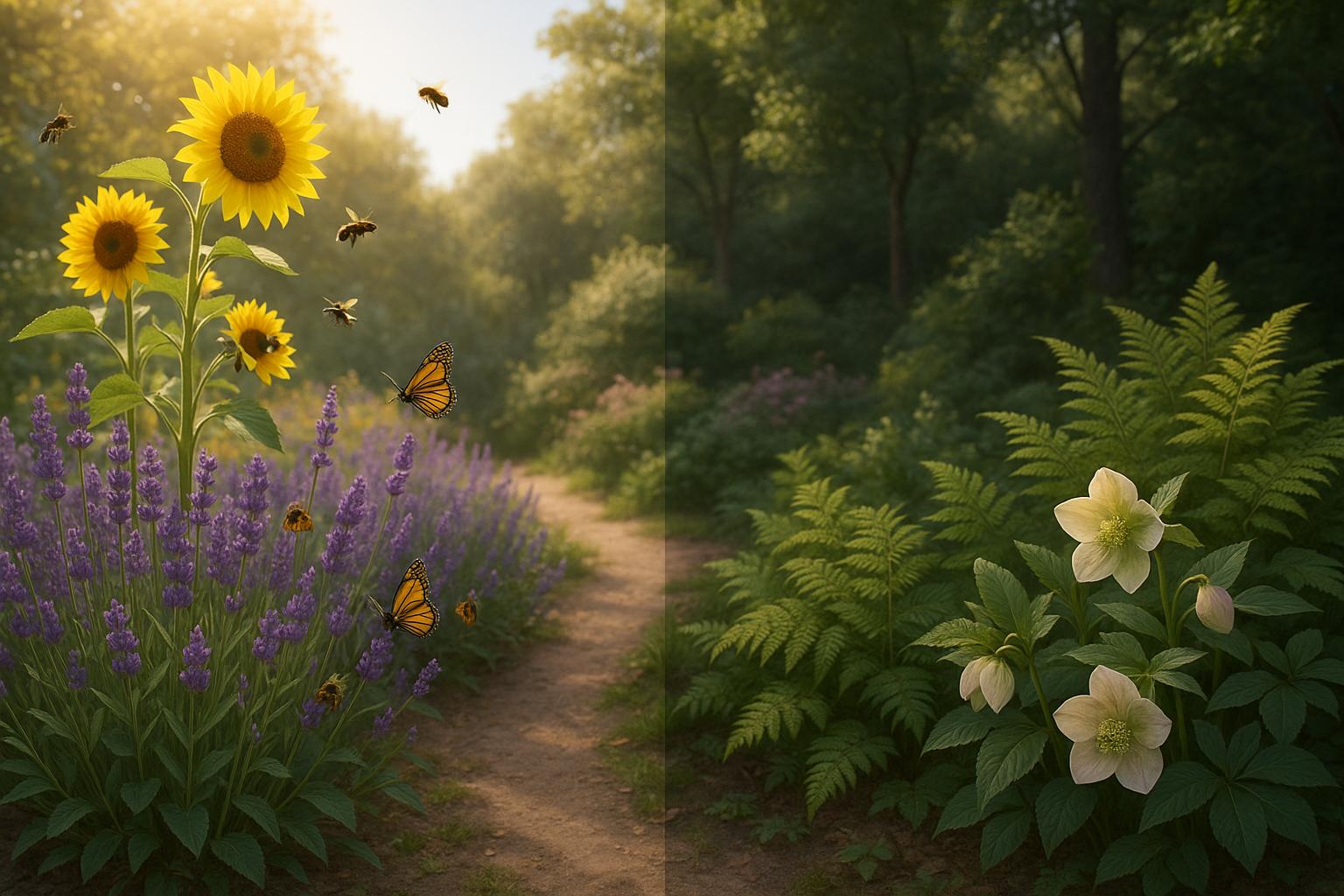
Direct sunlight refers to unfiltered sunlight that shines directly onto a plant, typically during the peak hours of the day. Depending on your geographical location, this can range from 10 AM to 4 PM. For many houseplants, especially succulents, direct sunlight can be both a boon and a bane. On one hand, the intense sunlight provides a healthy dose of energy; on the other hand, prolonged exposure can lead to sunburns and other detrimental effects.
When plants are exposed to direct sunlight, they receive the full spectrum of sunlight, which is rich in both visible and ultraviolet light. This exposure encourages robust growth and vibrant color on the leaves. Succulents, particularly, have evolved to withstand harsh conditions and benefit from this type of sunlight. However, not all succulents are created equal. For instance, Echeveria or Sedum can thrive under direct light, while other varieties may suffer from scorched leaves.
Signs of Overexposure to Direct Sunlight
Understanding how to read your plants is vital. Leaf discoloration, particularly sunburnt spots, is a clear indicator that a plant is receiving too much direct light. Fading colors, white patches, or dry, crispy leaf tips are symptoms that can indicate distress due to excessive exposure. In these scenarios, consider relocating the affected plant to a location with partial shade or filtered light.
The Case for Indirect Sunlight
Conversely, indirect sunlight is sunlight that is diffused or filtered. This can occur naturally when light passes through a sheer curtain, or when plants receive light from a reflective surface. Indirect sunlight is softer and less intense, helping to create a more forgiving environment for a broader range of plant species. For many indoor plants, including delicate ferns or certain flowering species, indirect sunlight is preferable.
Succulents that benefit from indirect sunlight include those with softer leaves and a less waxy surface, such as the Haworthia or Gasteria. These varieties are more susceptible to damage and thrive best when shielded from harsh rays while still receiving adequate light. Indirect light allows for even growth without the risk of burning, ensuring that your plants develop healthily and aesthetically pleasing.
Measuring Light Exposure
To effectively assess the available light for your plants, consider several factors. The orientation of your windows plays a substantial role; south-facing windows typically receive the most direct sunlight, while north-facing windows offer indirect light throughout the day.
During different times of the year, the angle and intensity of sunlight shift due to changes in the Earth’s tilt. It’s essential to keep this in mind. Winter months may bring weaker sunlight, causing plants that require more light to suffer if they are not appropriately positioned. Consider utilizing light meters or smartphone apps designed to measure light intensity. These tools can provide invaluable insights into your plant care regimen.
Optimal Placement Strategies
When arranging your plants, thinking about their specific needs can prevent many issues related to light exposure. For succulents, direct sunlight can often be mimicked using light shelves, while still protecting more sensitive species with sheer fabric. Placing your succulents near a south-facing window can yield satisfactory results, but be prepared to rotate the plants periodically for uniform growth.
If your living space does not provide sufficient sunlight, consider supplementing with grow lights. High-quality LED grow lights can deliver the full spectrum of light necessary for healthy plant growth without the drawbacks of excessive heat commonly associated with incandescent bulbs.
Conclusion
Understanding the differences between direct and indirect sunlight is paramount for anyone seeking to nurture plants effectively. By assessing your indoor environment and giving each plant the specific type of light it craves, you can foster a vigorous, thriving indoor garden. Develop a strategy that incorporates all that you’ve learned about light exposure, and watch as your plants flourish in their designated spots. Every plant is unique, and understanding its individual needs will lead to rewarding results, showcasing the beauty and diversity of the plant kingdom in your own home.
FAQ
What is the difference between direct and indirect sunlight for plants?
Direct sunlight refers to unfiltered light shining directly on plants, often intense and beneficial for certain succulents but potentially harmful in excess. Indirect sunlight is diffused or filtered light, gentler on plants and suitable for species sensitive to strong light.
How can I tell if my plant is getting too much direct sunlight?
Signs of overexposure include leaf discoloration, sunburnt spots, white patches, and dry or crispy leaf tips. These symptoms indicate that the plant may need to be moved to a location with less intense or filtered light.
Which succulents prefer indirect sunlight?
Succulents with softer leaves like Haworthia and Gasteria thrive in indirect sunlight as they are more susceptible to damage from harsh direct rays.
How can I measure the light exposure in my home for plants?
You can assess light exposure by noting window orientation, using light meters, or smartphone apps that measure light intensity to ensure plants receive their ideal light conditions.
Can grow lights replace natural sunlight for succulents?
Yes, high-quality LED grow lights can provide the full spectrum of light necessary for healthy plant growth, especially when natural sunlight is insufficient.
Leave a Reply