
Short Answer
When you think of cacti, what comes to mind? Perhaps you envision sun-soaked deserts and arid landscapes. But when it comes to the Christmas cactus, that image shifts dramatically. So, does the Christmas cactus truly revel in full sun? Understanding the light requirements of this succulent can unveil a few surprises.
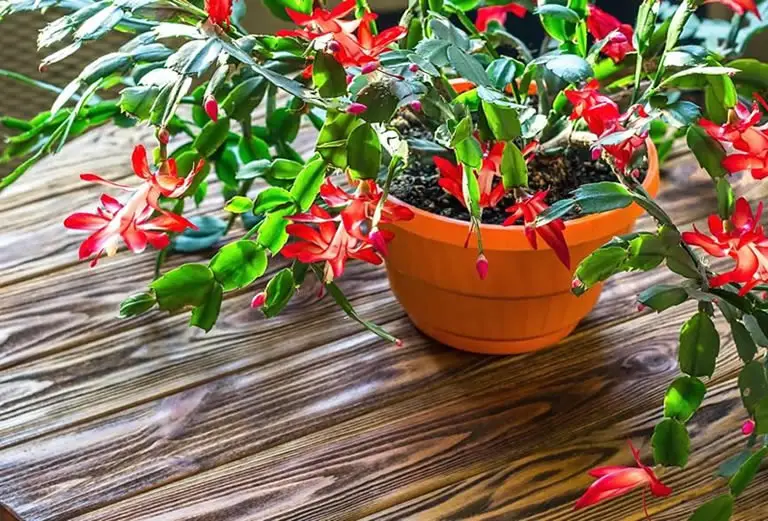
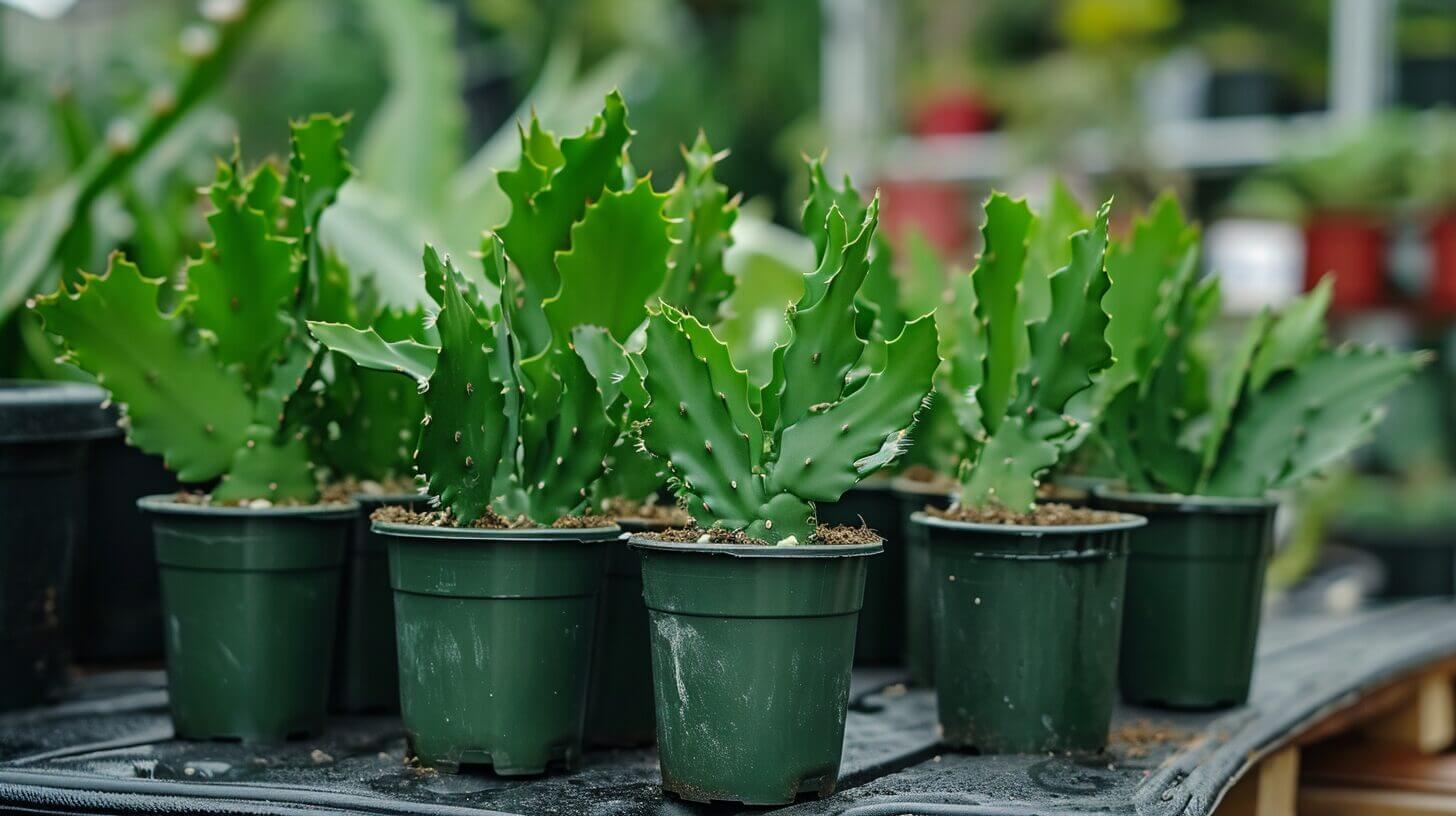
Christmas cacti, scientifically known as Schlumbergera, are not your typical desert denizens. Instead, they are native to the cloud forests of Brazil, where they bask in filtered sunlight beneath the shade of taller trees. This habitat directly influences their light requirements, prompting a deeper exploration of how much sunlight is truly optimal for their growth.
Before we delve into the specifics, let’s pose an intriguing question: can too much of a good thing—like sunlight—actually harm your Christmas cactus? Spoiler alert: the answer is often yes. Yet, understanding the nuances of light exposure can be the key to flourishing plants thriving in your home.
Let’s begin our journey into the nuances of light for the Christmas cactus by delineating between direct and indirect sunlight.
Full Sun Versus Indirect Light: The Great Divide
The term “full sun” typically refers to exposure to direct sunlight for at least six hours daily. While many plants thrive in such conditions, the Christmas cactus, as previously mentioned, prefers a different approach. They flourish in indirect light, thriving in conditions where sunlight is filtered or diffused.
Placing a Christmas cactus on a windowsill that receives strong afternoon sun can lead to scorch marks on the leaves, often manifesting as brown tips or shriveled segments. This coloration is a stark signal that the plant is overwhelmed by the intensity of direct light. Therefore, the ideal setting is somewhere that allows the plant to bask in bright, indirect light instead—a north-facing window or a spot filtered by curtains can create a perfect ambiance.
Striking a Balance: Finding the Sweet Spot
Having established the pitfalls of too much direct light, one must also ponder: can insufficient light be detrimental? Absolutely. Christmas cacti, while delicate, have a penchant for bright environments, albeit with a gentle touch. Inadequate light can result in leggy growth, diminished blooming, and an overall lackluster appearance.
Allowing the plant to have adequate light, whilst steering clear of overly harsh rays, is a delicate juggling act. This balance is crucial, particularly when the plant nears its flowering period. Typically, Christmas cacti bloom during late fall and winter. They require specific conditioning—gradually shortening daylight hours and cooler temperatures at night—to prompt blossoms. Ensuring they receive about 12 to 14 hours of darkness daily can stimulate the floral display, but be mindful that this should still occur in a well-lit environment during the day.
The Seasonal Spectrum: Adapting to Change
Seasonality plays a pivotal role in how light affects your Christmas cactus. In the summer months, days are longer with more intense light. During this time, the plant may thrive on a bit of filtered light from a nearby window. However, as autumn rolls in, adjusting its positioning becomes paramount. As the days shorten, providing that transition into darkness becomes essential for budding.
But what about the winter? This season can be a conundrum. The holiday spirit invokes the presence of Christmas cacti in homes worldwide, but the environmental changes can be tricky. With shorter day lengths and potential humidity drops due to heating systems, one must ensure the plant does not become too dry or overexposed to light.
Watering Concerns: An Interplay with Light
Interestingly, light and watering practices are inextricably linked. Overexposure to light can lead to transpiration— where moisture escapes through the leaves— leaving the plant parched and in need of hydration. Conversely, a lack of light can cause a Christmas cactus to retain water longer than it should, risking rot. When considering how much water to provide, ensure you gauge not just the soil’s moisture but also the light exposure. The dryer the surroundings, the more careful you must be about watering levels.
Conclusion: The Path to Optimal Growth
FAQ
Does Christmas cactus like full sun?
No, Christmas cactus prefers bright, indirect light and can get leaf scorch if exposed to full, direct sun.
How much light does a Christmas cactus need?
It thrives best in bright but filtered or indirect light, similar to the shade it receives in its native cloud forest habitat.
Can too much light harm my Christmas cactus?
Yes, too much direct sunlight can cause brown tips, leaf scorch, and shriveled segments on a Christmas cactus.
How should I adjust light for my Christmas cactus seasonally?
In summer, provide filtered light; in fall and winter, reduce light exposure and increase darkness to encourage flowering.
How does light exposure affect watering needs for Christmas cactus?
More light increases transpiration, requiring more frequent watering, while low light reduces water needs to avoid root rot.


Leave a Reply