

Short Answer
Have you ever stood before a towering echinocactus, its ribbed body casting dramatic shadows in the golden hour light, and wondered how to capture its untamed majesty through the lens? These botanical titans—often called barrel cacti—are more than just prickly sentinels of the desert; they are sculptural marvels, architectural oddities, and silent storytellers of resilience. Photographing them isn’t merely about pointing a camera and pressing the shutter; it’s about engaging in a visual dialogue with a living monument. So, how do we distill their raw, geometric poetry into a two-dimensional frame without losing their essence? Let’s embark on this prickly adventure together.
The Art of Perspective: Why Your Angle Matters More Than You Think
Imagine approaching an echinocactus from a straight-on perspective, your lens level with its crown. The result? A flat, uninspired silhouette that does little justice to its three-dimensional grandeur. Instead, crouch low to the ground, tilting your camera upward to emphasize its verticality. This low-angle shot transforms the cactus into a towering colossus, its spines fanning out like the rays of a sunburst. Alternatively, try a high vantage point—perhaps from a ladder or a sturdy rock—to capture its sprawling, ribbed expanse in a way that feels almost aerial. The key is to play with perspective until the cactus feels alive in the frame, as if it’s reaching out to the viewer. But beware: the wrong angle can make even the most majestic echinocactus look like a lumpy green blob. Precision is your ally here.
Lighting the Beast: Harnessing the Sun’s Whims for Maximum Drama
Natural light is the photographer’s most fickle muse, and echinocacti are no exception. The harsh midday sun? It flattens textures and bleaches colors into submission. The soft glow of dawn or dusk? That’s where the magic happens. During golden hour, the low sun carves deep shadows into the cactus’s ribs, accentuating its texture and creating a chiaroscuro effect that feels almost cinematic. But here’s the challenge: what if the light is too diffused, washing out the spines and leaving the cactus looking lackluster? Enter the reflector—a simple tool that can bounce light back onto the shadowed sides, adding depth and dimension. Or, for the bold, use a flash with a diffuser to mimic the softness of natural light. The goal isn’t just to illuminate; it’s to sculpt with light, turning the echinocactus into a subject worthy of a gallery wall.
Spines as Art: Framing the Prickly Details
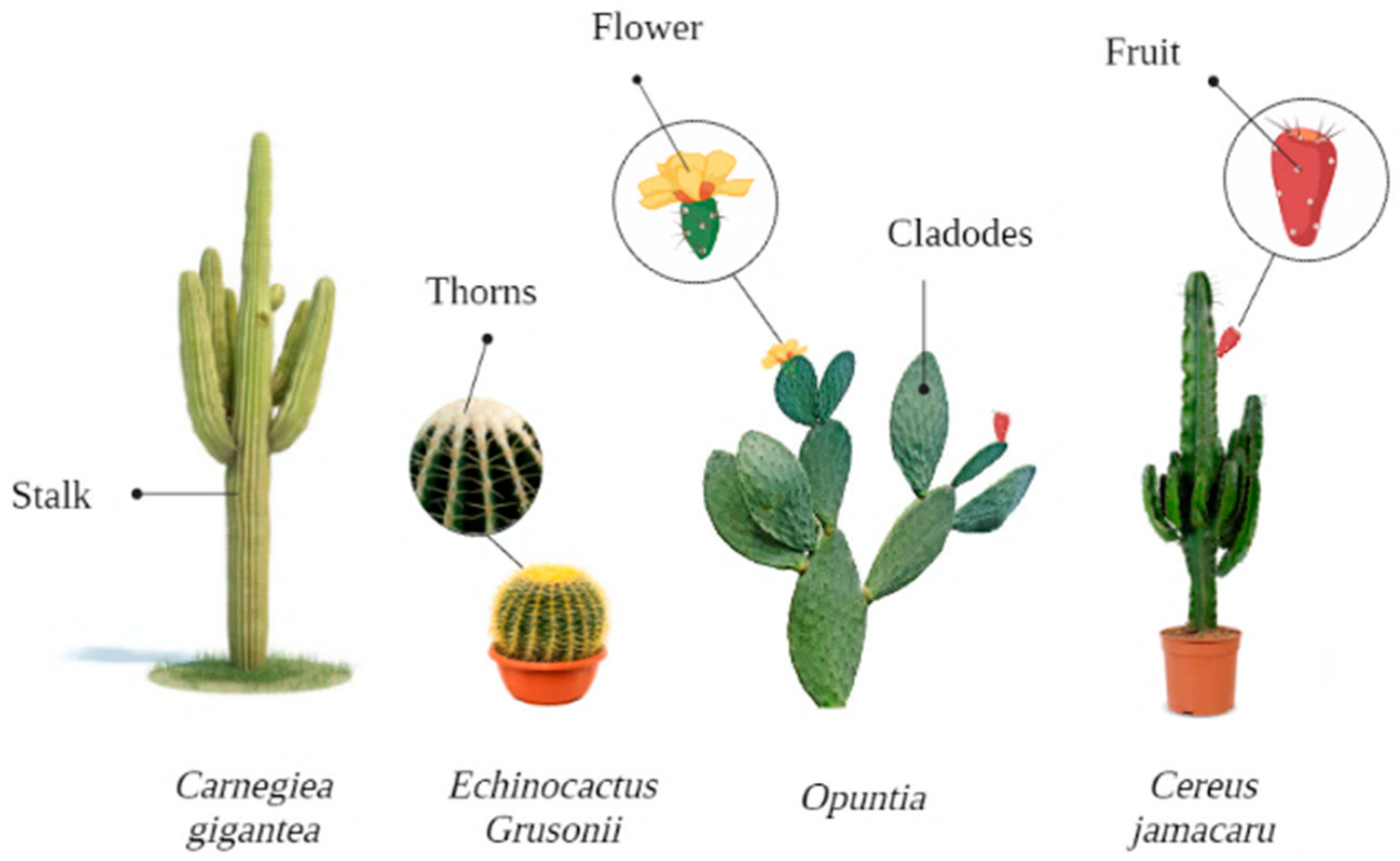
The spines of an echinocactus are not mere defenses; they are nature’s own embroidery, intricate and mesmerizing. To capture their drama, get up close—so close that the spines blur into abstract patterns at the edges of the frame. Macro lenses are your best friend here, allowing you to isolate a single cluster of spines against the backdrop of a sunset sky. But don’t stop at the spines. The areoles—those tiny, woolly patches from which the spines emerge—are equally captivating, especially when backlit. They become halos of texture, adding a layer of complexity to your composition. The challenge? Avoiding the temptation to fill the frame entirely with spines, which can overwhelm the viewer. Balance is key. Let the spines frame the cactus’s body, guiding the eye toward its heart.
Context is King: Placing the Echinocactus in Its Desert Kingdom
A lone echinocactus against a blank sky is a study in form, but it’s also a missed opportunity. The desert is a stage, and the cactus is its star performer. To tell a richer story, incorporate the landscape. Frame the cactus against a backdrop of distant mountains, their silhouettes echoing the cactus’s ribs. Or juxtapose it with a lone Joshua tree, their stark silhouettes creating a visual rhythm. Even the smallest details matter—a scattering of rocks, a patch of wildflowers, or the undulating dunes of a nearby erg. The challenge? Ensuring the background doesn’t compete with the subject. A cluttered or busy backdrop can distract from the cactus’s elegance. Use a wide aperture to blur the background, or position yourself so that the cactus stands out against a clean, uncluttered horizon. The desert is vast, but your frame is finite. Choose wisely.
Weathering the Elements: Shooting in Harsh Conditions
Photographing echinocacti isn’t for the faint of heart. The desert doesn’t just test your patience; it tests your equipment and your resolve. Blistering heat can drain your batteries in minutes, while sudden gusts of wind can send your tripod tumbling like a house of cards. Sand, that insidious invader, finds its way into every crevice, threatening to scratch your lens or clog your sensor. And then there’s the sun—relentless, unforgiving, a tyrant that demands respect. To combat these challenges, arrive early to avoid the worst of the heat, and bring plenty of water—not just for yourself, but for your gear. Use lens hoods to shield against dust, and keep your equipment in a padded bag when not in use. The desert rewards those who prepare, but it punishes the unprepared with a cruelty that borders on poetic justice.
The Final Frame: Editing with Restraint
You’ve braved the elements, composed your shot with care, and captured the echinocactus in all its glory. Now comes the final act: editing. It’s tempting to crank up the saturation, sharpen every spine, and push the contrast to dramatic extremes. Resist. The goal isn’t to fabricate a cactus that never existed; it’s to reveal the one that does. Subtle adjustments to clarity and vibrance can enhance the cactus’s natural hues without distorting reality. Crop judiciously to eliminate distractions, but avoid cropping so tightly that you lose the sense of scale. And always, always save your edits as a non-destructive layer—because one day, you might want to revisit that shot with fresh eyes. The desert doesn’t change, but your perspective might.
So, the next time you find yourself face-to-face with an echinocactus, don’t just snap a photo. Engage. Experiment. Challenge yourself to see beyond the spines and ribs, to capture not just a plant, but a story. The desert is full of them—waiting, silent, and ready for their close-up.
FAQ
What is echinocactus?
Echinocactus, commonly known as barrel cactus, is a type of cactus characterized by its ribbed body and stunning appearance.
What are the best times to photograph echinocactus?
The best times to photograph echinocactus are during dawn or dusk, known as the golden hour, for optimal lighting.
How do I capture the detail of echinocactus spines?
Use a macro lens to get close-up shots of the spines, focusing on their intricate patterns and textures.

Leave a Reply