
Short Answer
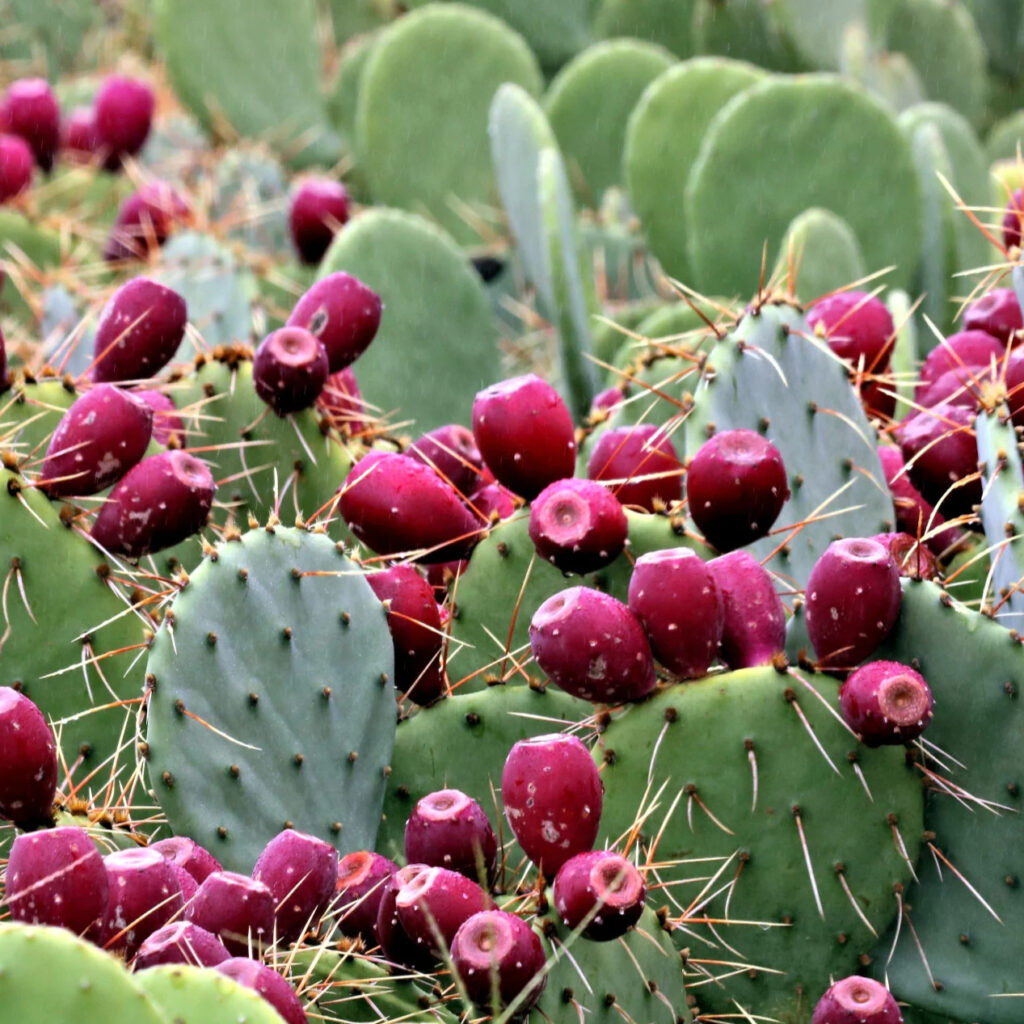
Imagine venturing into a sun-drenched desert, where nature’s bounty reveals itself in the most unexpected of forms. The prickly pear cactus, a verdant guardian of arid landscapes, conceals within its spiny embrace a treasure trove of culinary delights. Edible cactus, particularly the prickly pear, offers not just sustenance but an experience—one imbued with vibrant colors, tantalizing textures, and a flavor profile that echoes the wildness of the desert itself. It is an epicurean adventure waiting to unfold in your own kitchen.
The Enigmatic Charm of Prickly Pear: A Desert Jewel
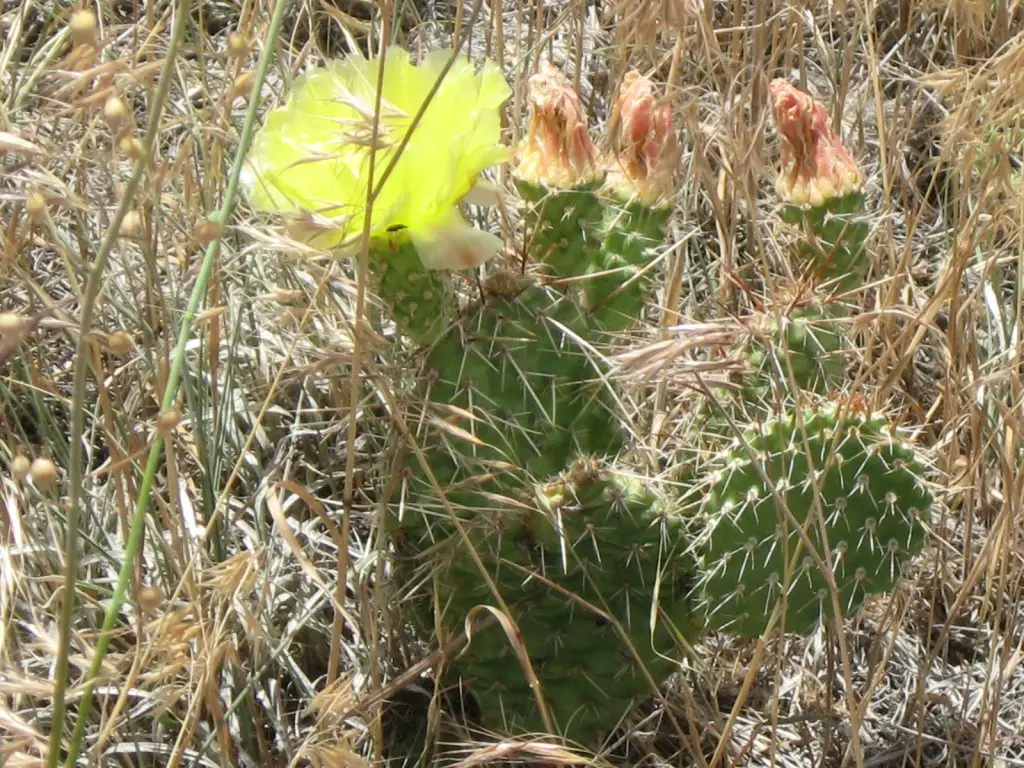
Prickly pear cactus, scientifically known as Opuntia, is much more than a resilient desert survivor. It is a botanical paradox. Covered in formidable spines, it invites caution yet rewards those daring enough to delve beneath the surface. Its flat pads, called nopales, and its jewel-like fruit, the tunas, embody the desert’s harsh beauty and its generosity.
Nopales resemble supple green paddles with a subtle tang, while the prickly pear fruit bursts with a bright crimson blush, savoring the touch of the scorching sun and yielding a sweet, melon-like taste. Together, these components form the heart of edible cactus cuisine, a tradition deeply rooted in indigenous cultures and now capturing the imagination of adventurous food lovers worldwide.

Preparing Nopales: From Prickly Pads to Tender Delicacies
Transforming nopales from intimidating cactus pads into a tender, palatable ingredient is an art. The process starts with meticulous handling—removing spines and the waxy outer coating to reveal the succulent flesh beneath. Once cleansed, the nopales can be sliced into strips or diced, ready to be cooked.
Cooking nopales is a sensory journey. When sautéed, they exude a fresh, grassy aroma that hints at the earth from which they sprang. Their texture is uniquely mucilaginous, a term that describes the slight gelatinous quality reminiscent of okra, lending dishes a luscious, velvety mouthfeel without overwhelming chewiness. Boiling or grilling can soften their natural crispness, preparing them for salads, stews, or even scrambled eggs.
Prickly Pear Fruit: The Nectar of the Desert
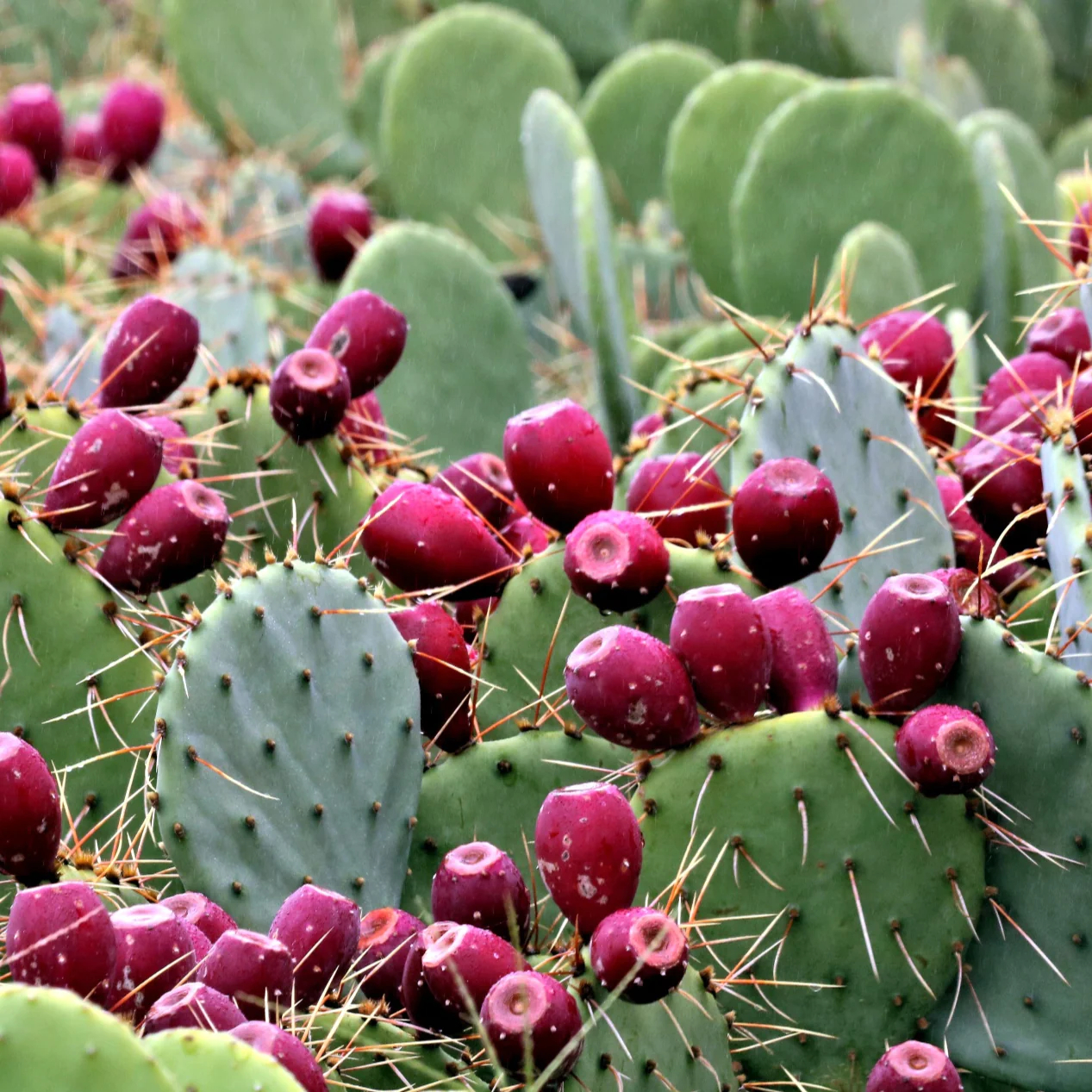
Once you conquer the initial barrier of the prickly pear’s spines, you are rewarded with a fruit that is nothing short of ambrosial. The vibrant skin, speckled with minute glochids, hides a jewel-toned pulp bursting with sweetness and subtle tartness. Harvesting and preparing the fruit requires a delicate touch: gloves for protection and gentle peeling to liberate the juicy content.
Prickly pear fruit can be eaten fresh, but its true magic unfolds when transformed into syrups, jams, or refreshing beverages. Its syrup is a crimson elixir, perfect for drizzling atop desserts or whisking into cocktails. The fruit’s natural pectin content also makes it excellent for preserves that capture the ephemeral essence of desert summers.
Cooking Techniques: Harnessing the Flavor and Texture
Versatility is the beating heart of prickly pear cuisine. Nopales, with their grassy tang and buttery texture, pair harmoniously with bold flavors such as garlic, chili, and smoky spices. Grilling imparts a subtle char that complements their inherent earthiness, while boiling or sautéing preserves their characteristic succulence.
Prickly pear fruit, meanwhile, lends itself beautifully to both sweet and savory applications. Incorporate its juice into vinaigrettes, where its sweetness balances acidity, or create vibrant salsas that add a burst of color and unexpected zest to grilled meats and seafood.
In traditional Mexican cuisine, nopales shine in dishes like “nopalitos con huevo” (scrambled eggs with cactus), transformation that elevates humble ingredients into celebratory fare. The cactus’s mucilaginous quality may intrigue or challenge palates, but with the right seasoning and cooking methods, it becomes a textural marvel.
Nutritional Alchemy: Health Beneath the Spines
Beyond its culinary allure, the prickly pear cactus is a nutritional powerhouse. Loaded with antioxidants, fiber, vitamins C and A, and essential minerals like magnesium and calcium, edible cactus is a gift to wellness enthusiasts. Its gelatinous texture is not just a gastronomic curiosity but also aids digestion and helps regulate blood sugar levels.
This desert veggie’s reputation as a medicinal marvel spans centuries, with modern science increasingly affirming its benefits in combating inflammation and supporting cardiovascular health. Incorporating prickly pear into your diet offers a symphony of flavors that harmonize with a vibrant boost to wellbeing.
Embracing the Culinary Adventure: Tips and Pairings
Embarking on the edible cactus journey encourages creativity. To soften potential bitterness, marinate nopales with lime juice or soak briefly in salted water. Pair nopales with earthy ingredients such as black beans, queso fresco, or corn for a balanced ensemble. When working with the prickly pear fruit, complement its sweetness with spicy chili powder or tangy citrus to craft an exhilarating gustatory contrast.
Remember to relish the processes that bring this ingredient to life—the tactile engagement with nature’s spiny puzzle and the sensory rewards that follow. The prickly pear cactus invites you to step beyond conventional culinary boundaries and embrace the vibrant, untamed heart of the desert.
FAQ
What is prickly pear cactus?
Prickly pear cactus, scientifically known as Opuntia, is a type of cactus that produces edible pads and fruit, known for their vibrant colors and unique flavors.
How do you prepare nopales?
To prepare nopales, carefully remove the spines and waxy coating, then slice or dice them for cooking.
What are the health benefits of prickly pear?
Prickly pear is rich in antioxidants, fiber, and essential vitamins, contributing to digestion and blood sugar regulation.

Leave a Reply