

Short Answer
Ever found yourself staring at a cactus in a store, wondering if it sprouted from a single seed—or if it’s just a botanical magician’s trick? What if I told you that growing your own spiky sentinels from seed isn’t just possible, but downright thrilling? The real adventure begins long before the first spine unfurls. It starts with one tiny, unassuming seed—and the quest to find the perfect one. But here’s the twist: not all cactus seeds are created equal. Some are fresh enough to germinate with the enthusiasm of a toddler on a sugar rush, while others might as well be fossilized relics from the Cretaceous period. So, how do you separate the botanical gold from the dusty dud? Let’s embark on a journey through the world of cactus seed sources, where the right supplier can mean the difference between a thriving desert garden and a pile of wilted disappointment.
Why Seed Quality is the Secret Sauce in Your Cactus Adventure
Imagine biting into a strawberry that tastes like cardboard. Now imagine planting a cactus seed that germinates with the enthusiasm of a sloth on a Sunday afternoon. The culprit? Poor seed quality. Freshness isn’t just a buzzword—it’s the lifeblood of successful germination. Old seeds lose their vigor, their genetic memory fading like an old photograph left in the sun. Viability drops, and what should sprout in weeks might take months—or never. But freshness isn’t the only factor. Genetic purity matters too. A seed labeled “Mystery Cactus Mix” might sound exciting, but it could be a gamble between a towering Saguaro and a squat, round Mammillaria. For enthusiasts chasing specific species, reputable suppliers provide detailed descriptions, ensuring you’re not left playing botanical roulette. And let’s not forget health. Contaminated seeds can introduce pests or diseases that turn your cactus dreams into a horticultural nightmare. So, before you click “buy,” ask yourself: Is this seed a passport to a thriving cactus colony—or a one-way ticket to disappointment?

The Great Seed Supplier Safari: Where to Hunt for Cactus Gold
Not all seed suppliers are built the same. Some are like the Amazon of cacti—vast, reliable, and occasionally overwhelming. Others are niche boutiques, catering to the ultra-specific needs of hardcore collectors. Let’s break down the top-tier destinations for your cactus seed quest.
Online Marketplaces: The Digital Bazaar of Botanical Wonders
Platforms like Etsy, eBay, and specialized seed shops are treasure troves for cactus enthusiasts. Here, you’ll find everything from rare species like the Turbinicarpus to more common varieties like the Echinocactus grusonii. The advantage? A global marketplace means access to seeds you’d never find locally. But caution is key. Always check seller reviews, germination guarantees, and seed freshness claims. A five-star rating doesn’t guarantee viable seeds if the seller’s last shipment was from 2019.
Dedicated Cactus Nurseries: Where Expertise Meets Exclusivity
For those who want more than just seeds, dedicated cactus nurseries offer curated selections with expert guidance. These nurseries often provide seeds harvested from their own stock, ensuring top-tier quality. Some even offer germination kits or detailed care instructions, turning your seed-buying experience into a masterclass. The downside? Higher prices and limited availability for ultra-rare species. But if you’re serious about building a collection, the investment is worth it.
Seed Exchanges and Clubs: The Underground Network of Enthusiasts
For the truly adventurous, seed exchanges and clubs offer a chance to trade with fellow cactus lovers. Websites like the Cactus and Succulent Society of America or local plant swap groups on Facebook provide a platform to exchange seeds, share growing tips, and even troubleshoot germination woes. The thrill of receiving a mystery seed packet from a stranger halfway across the world? That’s the stuff of plant parent dreams. Just be sure to research any species before planting—some exchanges lack the rigor of commercial suppliers.
Red Flags and Green Lights: How to Spot a Reputable Supplier
The internet is awash with seed suppliers, but not all are trustworthy. Here’s how to separate the wheat from the chaff.
Green Lights: What to Look For
- Freshness Guarantees: Reputable sellers provide harvest dates or “packed on” labels. Seeds older than a year are a gamble.
- Detailed Descriptions: A good listing includes the species name, origin, and germination tips. Vague descriptions like “mixed cactus seeds” are a red flag.
- Customer Reviews: Look for photos of successful germinations. If every review is a five-star rating with no photos, proceed with caution.
- Germination Guarantees: Some sellers offer refunds or replacements if seeds don’t sprout. This is a sign of confidence in their product.
Red Flags: The Warning Signs
- No Freshness Info: If a seller can’t tell you when the seeds were harvested, walk away. Old seeds are a waste of money.
- Suspiciously Low Prices: If a rare species like Lophophora williamsii is priced like a bag of sunflower seeds, it’s likely a scam.
- No Contact Info: Legitimate sellers provide an email or phone number. If you can’t reach them, neither can your refund.
- Poor Packaging: Seeds should arrive in sealed, moisture-proof packets. If they’re loose in an envelope, they’ve likely been exposed to air and humidity.
The Germination Gauntlet: Turning Seeds into Spiky Survivors
You’ve found a reputable supplier, clicked “buy,” and now your seeds are on their way. But the journey has only just begun. Germinating cactus seeds is like trying to coax a grumpy cat out of a cardboard box—patience and the right conditions are key.
Pre-Germination Prep: The Art of Stratification
Some cactus seeds require a period of cold stratification to mimic their natural dormancy cycle. This involves chilling the seeds in the fridge for a few weeks before planting. Others need a warm, moist environment to break dormancy. Research your species’ specific needs—some, like Mammillaria, are forgiving, while others, like Astrophytum, are finicky divas.
The Perfect Germination Mix: Less is More
Cactus seeds thrive in a well-draining, sterile medium. A mix of perlite, coarse sand, and a smattering of peat moss or coconut coir works wonders. Avoid heavy soils or compost, which can suffocate delicate seedlings. Sterilize your mix by baking it in the oven at 200°F (93°C) for 30 minutes to kill off any lurking pathogens.
Light and Moisture: The Delicate Balance
Cactus seeds need light to germinate but not direct sunlight, which can bake them before they’ve even sprouted. A bright windowsill or a grow light on a 12-hour timer is ideal. Keep the soil consistently moist but not soggy—think of it like a wrung-out sponge. Covering the container with plastic wrap or a humidity dome can help maintain moisture levels, but remove it once sprouts appear to prevent mold.
Patience, Young Grasshopper
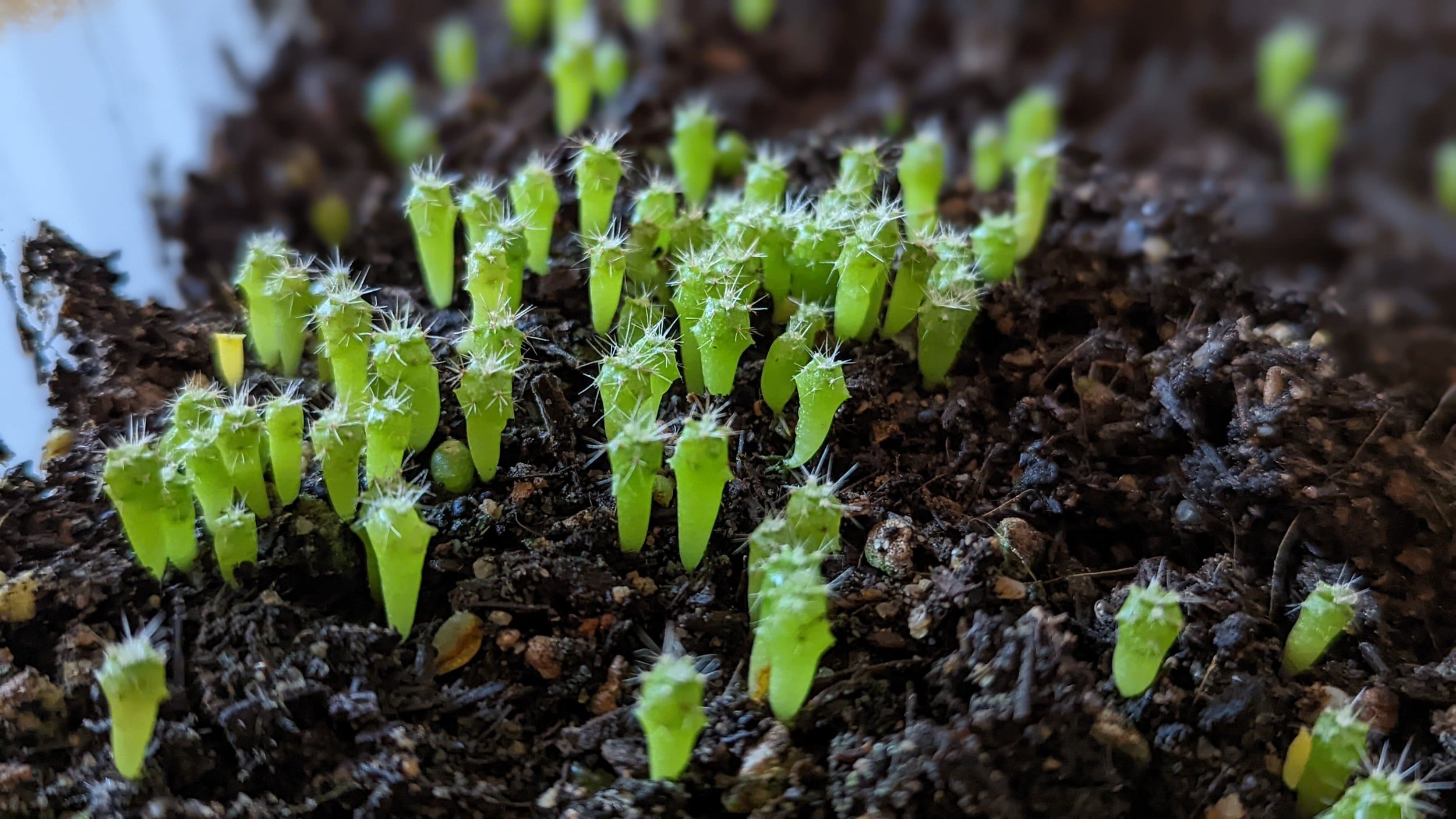
Germination times vary wildly. Some species, like Echeveria, sprout in days, while others, like Ferocactus, can take weeks or even months. Don’t dig around to check for progress—just trust the process. Once seedlings emerge, gradually acclimate them to less humidity and more light to prevent etiolation (that sad, stretched-out look).
Beyond the Basics: Advanced Tips for Cactus Seed Enthusiasts
You’ve mastered the basics—now it’s time to level up. Here’s how to take your cactus seed game to the next level.
Hybridization: The Art of Cactus Alchemy
For the truly ambitious, hybridization offers a chance to create your own cactus varieties. Cross-pollinating two species can yield offspring with unique traits—perhaps a Gymnocalycium with neon pink spines or a Rebutia that flowers in electric blue. Keep in mind that hybridization requires patience and a steady hand, as not all crosses take. But the rewards? A one-of-a-kind cactus that’s all yours.
Tissue Culture: The Lab-Grown Revolution
For those who want to propagate cacti on a larger scale, tissue culture offers a sterile, efficient method. This lab-based technique involves growing cactus tissue in a nutrient-rich gel, producing clones of the parent plant. While it requires specialized equipment and knowledge, tissue culture can yield hundreds of identical plants in a fraction of the time it takes to grow from seed. It’s the botanical equivalent of 3D printing—precise, repeatable, and a little bit magical.
Seed Saving: The Ultimate Act of Plant Parenthood
Why buy seeds when you can harvest your own? Once your cacti flower and produce fruit, you can collect and dry the seeds for future planting. This not only saves money but also ensures you’re working with seeds adapted to your local climate. Just be sure to label your saved seeds carefully—nothing’s more frustrating than a mystery cactus years down the line.
Final Thoughts: Your Cactus Seed Odyssey Awaits
The world of cactus seeds is vast, mysterious, and occasionally frustrating—but oh, so rewarding. Whether you’re a beginner dipping your toes into the prickly waters of cactus cultivation or a seasoned collector chasing the rarest of the rare, the right seed source can make all the difference. Remember: not all seeds are created equal, and not all suppliers are trustworthy. Do your research, ask questions, and don’t be afraid to experiment. After all, every cactus started as a single seed—just like every great adventure begins with a single step. So go forth, armed with knowledge and a packet of seeds, and let the spiky revolution begin.
FAQ
Why is seed quality important for cactus growing?
High-quality seeds have better germination rates, genetic purity, and health, leading to stronger, healthier plants.
How can I tell if a seed supplier is reputable?
Reputable suppliers provide freshness guarantees, clear species info, germination guarantees, and have positive customer reviews including photos.
What are some common sources to buy cactus seeds?
Common sources include online marketplaces like Etsy, specialized cactus nurseries, and seed exchanges or clubs.
What conditions do cactus seeds need to germinate successfully?
They need a well-draining sterile medium, consistent moisture, indirect light, and sometimes cold stratification depending on the species.

Leave a Reply