
Short Answer
Like enigmatic jewels forged by the desert’s hand, Gymnocalycium species captivate cactus enthusiasts and novices alike with their sculptural forms and surprising bursts of color. These resilient succulents, often called “chin cacti,” offer a mysterious allure—a blend of austere geometry and flamboyant blooms that seem to whisper ancient desert tales. Embracing a Gymnocalycium in your collection is akin to inviting a fragment of arid wilderness into your home, a reminder of nature’s artistry and indomitable spirit.
The Origin and Natural Habitat of Gymnocalycium
Gymnocalycium, derived from Ancient Greek meaning “naked calyx,” reflects the unique botanical structure where their flower buds emerge without protective spines—a rare trait that sets them apart in the cactus world. Native primarily to South America, these cacti inhabit regions stretching from Argentina to Paraguay and Uruguay. Their natural surroundings are varied: from rocky foothills to expansive dry grasslands, thriving in conditions that oscillate between parched heat and frosty whispers of winter. This geographical diversity has endowed Gymnocalycium species with remarkable adaptability and resilience.
One might imagine these plants as the desert’s carefully choreographed dancers, balancing on rocky stages, their bodies contorted yet elegant, defying harsh elements while preparing to reveal their floral performances when the season calls.
Distinctive Morphology: The Geometry of the Gymnocalycium
Gymnocalycium species are botanical sculptures of nature’s imagination. Most display globular or slightly elongated bodies ribbed with angular facets, creating a kaleidoscopic visual rhythm. Their spines range from hair-like threads to robust needles, often arranged with precision like miniature architectural features. The absence of spines on their floral tubes gives their flowers a delicate, almost ethereal visual contrast against the robust body.
The coloration of Gymnocalycium can shift from dusty sage greens to deep, almost mystical emerald hues. This subtle palette acts as a canvas for their extraordinary blooms, which can unfurl in shades from snowy white and soft pinks to vibrant scarlets and deep purples. Each flower, an ephemeral blaze against their sturdy forms, lasts only days, but creates an indelible impression.

The Allure of Popular Gymnocalycium Types
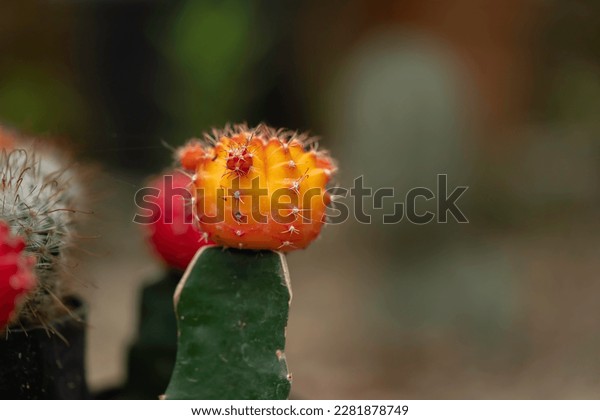
Among the many species within this genus, a few have risen to prominence, adored by collectors for their distinctive charm and relative ease of cultivation. Gymnocalycium mihanovichii, often crowned as the “moon cactus,” enchants with its variegated, vivid red and orange mutants—plants that resemble miniature alien flora. Their vibrancy contrasts starkly with the earthy tones of their species relatives, making them living works of contemporary art.
Meanwhile, Gymnocalycium baldianum exudes a quiet dignity, recognizable by its deep red flowers and sturdy, rounded form. It thrives in bright surroundings, rewarding cultivators with prolific blooms each spring. Then there’s Gymnocalycium denudatum, whose “naked” flower buds flash pale pink blossoms, an exquisite paradox to its spiny exterior.

Care Essentials: Nurturing the Desert Jewel
To invite Gymnocalycium into your collection is to enter into a pact of respect for their elemental nature. Their care requirements echo the demands of the desert but softened for indoor environments. Light is paramount; these cacti flourish under bright, indirect sunlight, avoiding the harsh midday blaze which can scorch their delicate epidermis. A southern or eastern-facing window often provides the perfect balance.
Watering must be approached with both rigor and delicacy. Over-watering can induce root rot, the silent assassin. During growing season, watering moderately when the substrate feels dry encourages steady development. Winter months call for near dormancy—parched conditions that mimic their native winter rest.
Soil composition should be gritty and well-draining, a mix heavy in mineral grit, such as pumice or perlite blended with a sparse organic component. This mimicry of their native arid terrain ensures root health and longevity.
Propagation and Growth Patterns
Gymnocalycium species employ both seeds and offsets for propagation, offering multiple avenues for enthusiastic growers to expand their collections. Seeds yield the thrill of watchful nurturing, from fragile sprout to resilient cactus, a process that can span years and rewards patience with extraordinary botanical marvels.
Offsets, or “pups,” emerge at the base of the mature cactus, offering a simpler propagation method. Carefully separated and replanted, they quickly develop roots and mirror the distinctive traits of the parent plant.
The growth rhythm of Gymnocalycium is deliberate but steadfast. Unlike more rapidly proliferating succulents, their maturation carries a contemplative tempo aligned with the desert’s ebb and flow—slow, steady, resilient.
Decorative and Symbolic Appeal in Modern Interiors
Gymnocalycium cacti embody more than just botanical interest; they are living sculptures that enhance any interior with their textural complexity and vibrant bursts of flower color. These plants intersect effortlessly with contemporary design trends that prize minimalism and natural elements, grounding modern spaces in a primal, organic beauty.
Symbolically, Gymnocalycium are emblems of endurance and subtle brilliance—creatures of patience whose rewards are revealed through quiet bloom. They crystallize the paradox of strength wrapped in softness, a narrative that resonates deeply in fast-paced modern life.

Conclusion: Embracing the Desert’s Quiet Enigma
To cultivate Gymnocalycium species is to embark on a journey with one of the desert’s understated maestros. Their architectural beauty, unique flowering habits, and storied natural origins make them a captivating addition to any plant collection. Each species tells a story of survival and artistry, an invitation to slow down and marvel at the wonder distilled within a humble cactus spire. Their presence transforms a mere space into a canvas of resilience and refined elegance, a reminder that even in harshness, life orchestrates moments of exceptional beauty.
FAQ
What are Gymnocalycium species?
Gymnocalycium species are a genus of cacti known for their unique structure, vibrant flowers, and adaptability to various environments.
How do you care for Gymnocalycium cacti?
They require bright, indirect sunlight, moderate watering during the growing season, and well-draining soil.
What are some popular types of Gymnocalycium?
Popular types include Gymnocalycium mihanovichii (moon cactus), Gymnocalycium baldianum, and Gymnocalycium denudatum.



Leave a Reply